Manchester City. Trophies can be taken away. History can’t.
The honest player isn’t a sucker. They’re the one who was wronged. The sucker is the cheat.
Borussia Dortmund lost 4–2 on aggregate to Manchester City in the 2021 Champions League quarter-final. City won both matches and went through. That is a fact. I’m not claiming BVB should have reached the semi-final. I don’t know that. I’m asking: which Manchester City should Borussia have faced if everyone had followed the rules?
Much of this piece is a question without an answer. None of my “what ifs” can be tested. No one gets to live this story a second time. That is exactly my point.
The honest player isn’t a sucker
Cheating in sport has always made me angry. On the playground I’d boil over if someone cheated. At the same time, it motivated me: if you want to play like that, I want to beat you even more—but fairly. I don’t mind losing to a better team or one club having more money. Stadiums, budgets, academies and history differ. But the same rules have to apply to everyone, not only to those who can’t find a way around them.
What the commission found
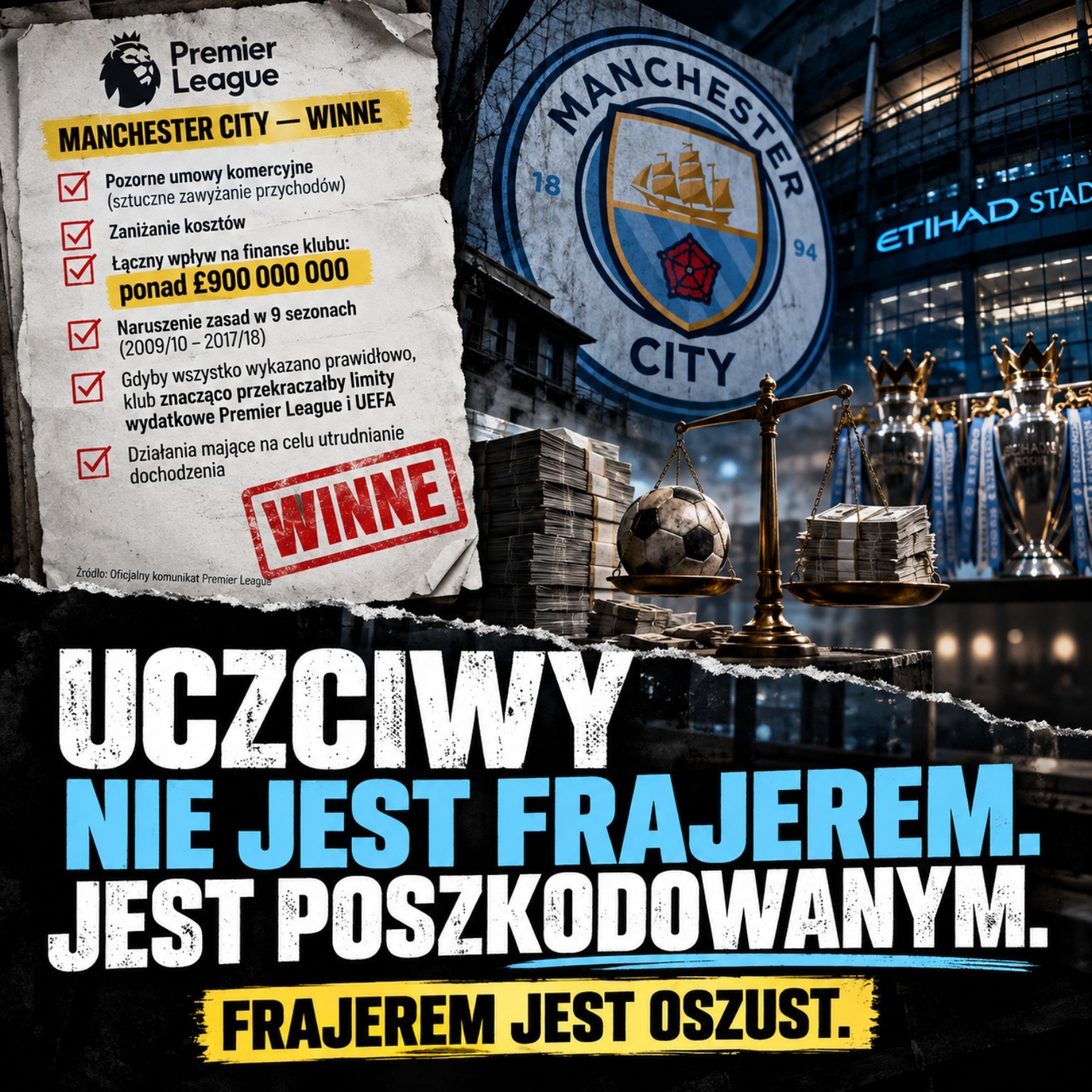
At the end of September 2026, an independent commission found Manchester City guilty of all charges relating to serious breaches of Premier League financial rules and most charges relating to failure to cooperate. Media reports described the result as 114 out of 115 charges. The period covered nine seasons, from 2009/10 to 2017/18.
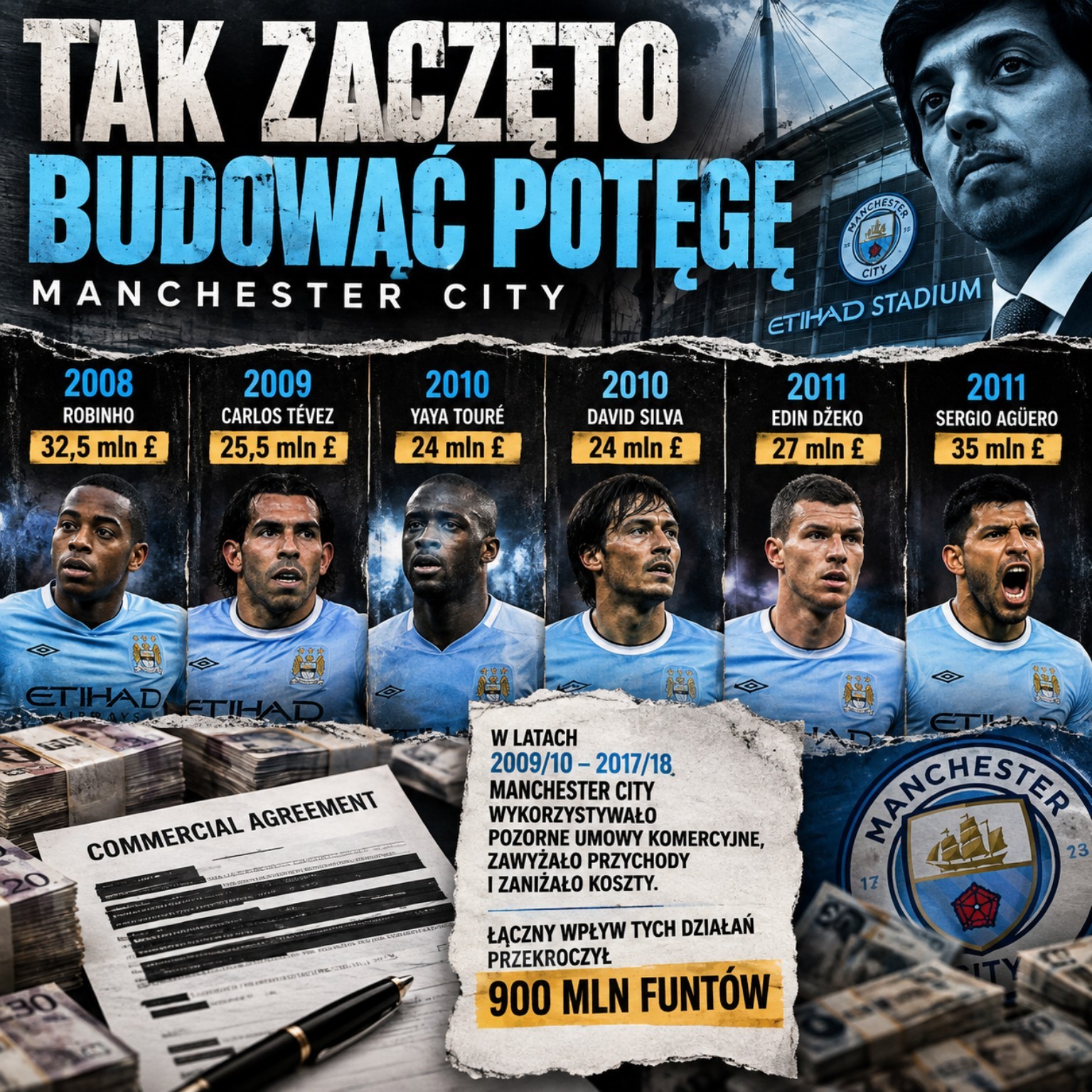
The commission found that City used sham sponsorship agreements to artificially inflate revenue and reduce costs, and significantly exceeded Premier League and UEFA spending limits. The published summary said the scale of inflated revenue and reduced costs exceeded £900 million. City appealed. The findings remain serious.
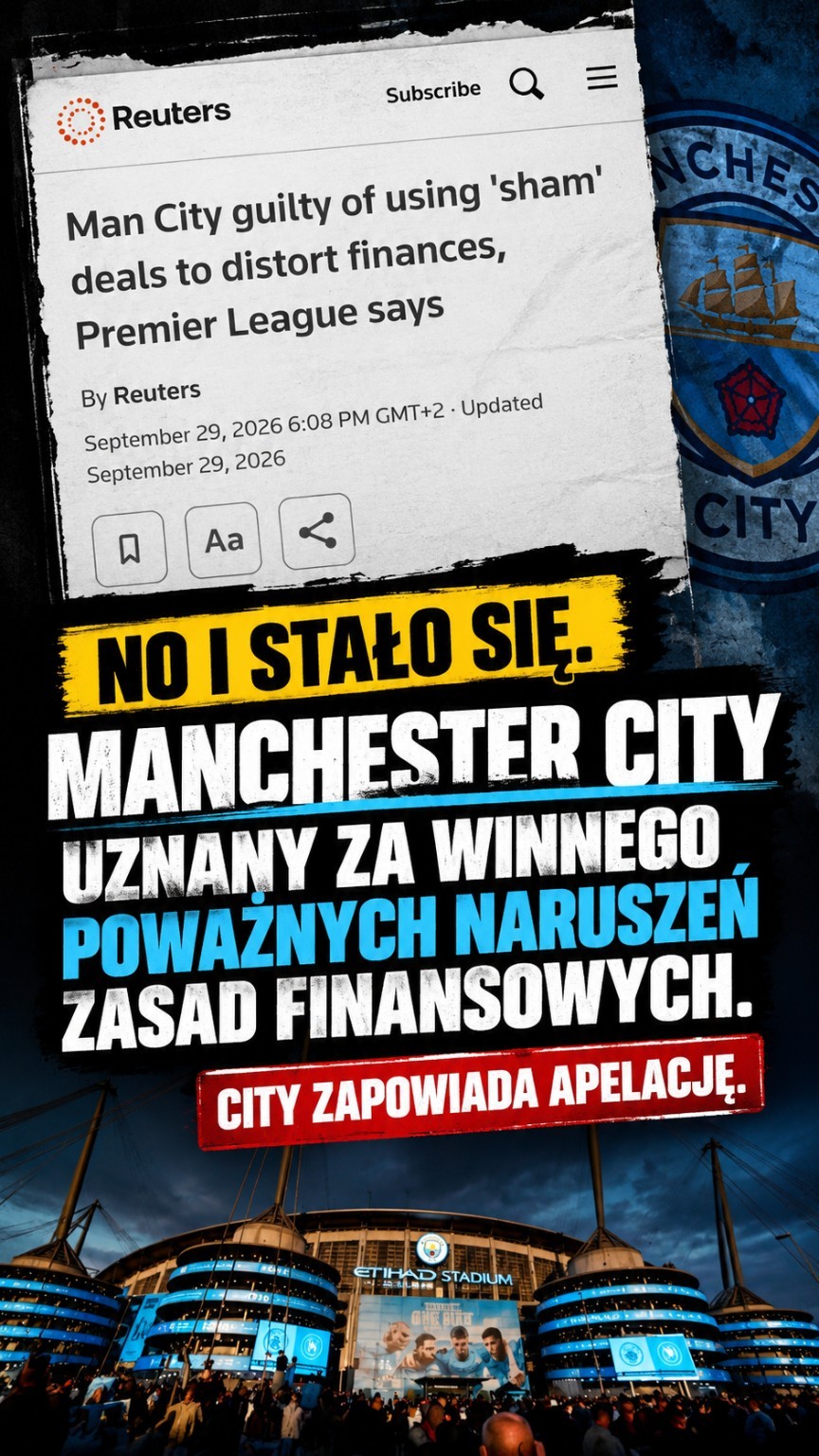
In my opinion, City cheated from the first day after the takeover. That is my opinion, not a finding by the commission. The charges covered nine seasons, and serious breaches on a huge scale were found proven for that period. It’s hard for me to believe a club acting that way for nine years had played cleanly before. But I don’t know, and I can’t prove it. I’m not a lawyer and won’t say what the right punishment is. What matters to me is something no punishment can put right: the scale of the advantage can’t be reconstructed.
“But the players were the ones on the pitch”
There is some truth in that argument. Money doesn’t score goals by itself. You can spend a fortune and still build a team that can’t play together. City did many things very well on the pitch; I’m not taking that away from the players. I don’t know what they knew about the finances, and I don’t blame them for decisions made by the club’s leadership.
But a team isn’t built on match day. It takes years.
A transfer is only the beginning
Huge sums of money came to City in 2008, along with major signings: Robinho, Tévez, Yaya Touré, David Silva, Džeko, Agüero and later De Bruyne. At the time, City was still trying to become a club that players of that calibre wanted to join.
A transfer fee is only the beginning. There are wages, more players, the whole squad, coaches, staff, scouting and fitness. To challenge for a title, you need more than eleven good players: a squad that can handle a whole season, injuries, suspensions and matches every three days.
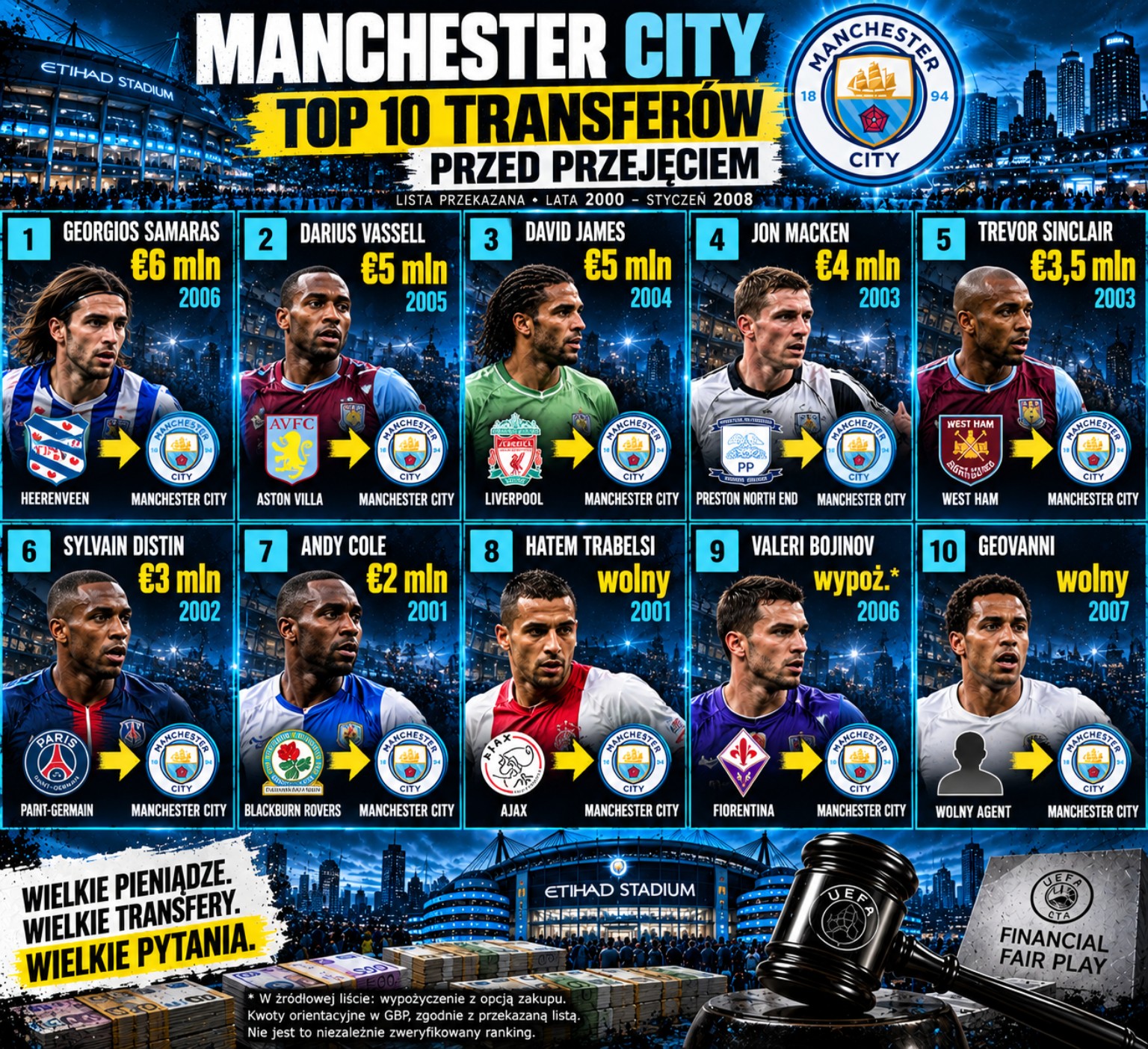
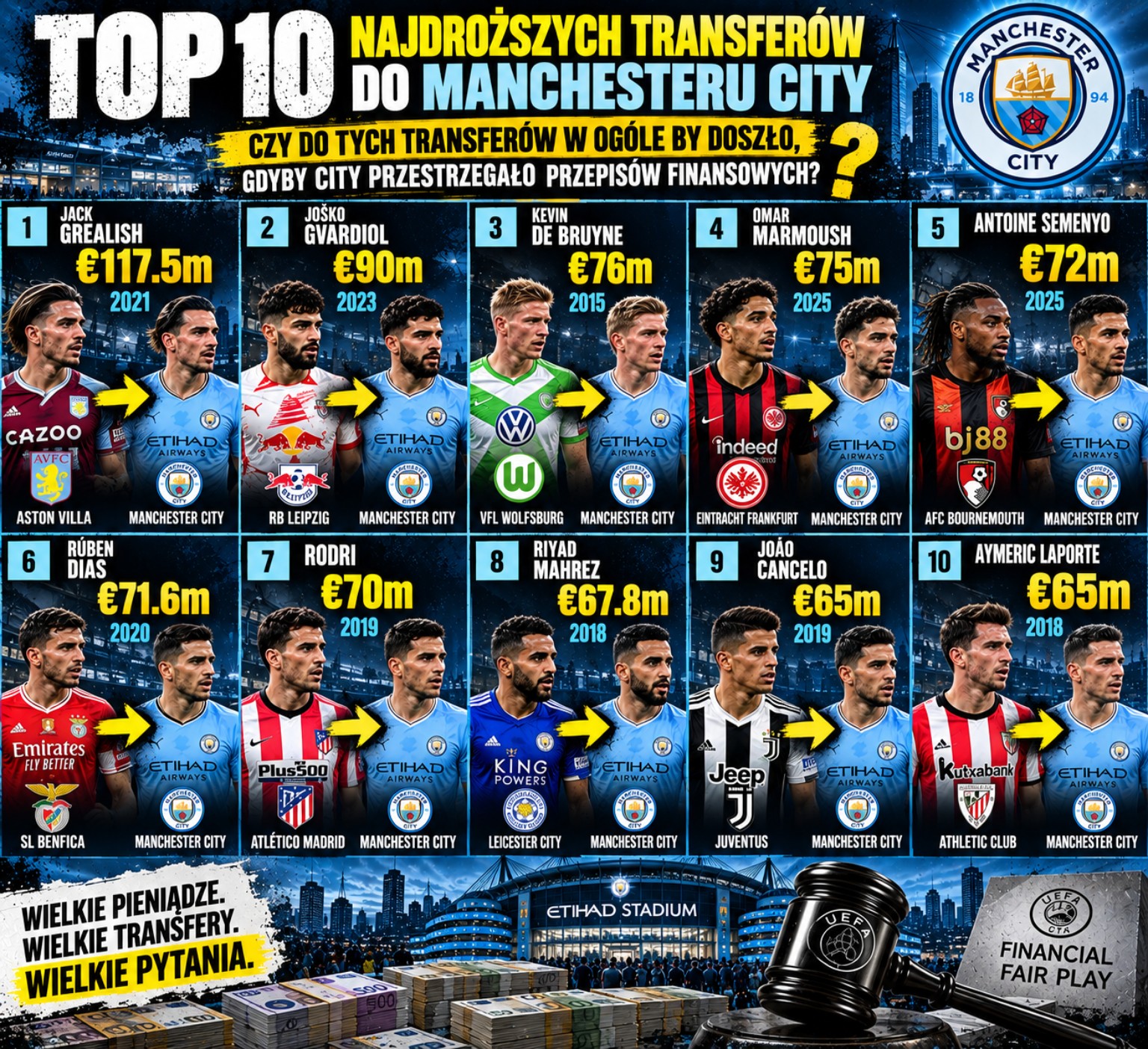
That’s why I’m not only asking whether a player was worth his fee. How many could the club have afforded while following every rule—including wages, further signings and maintaining the squad year after year? I don’t know. But if City could spend more than the rules allowed, it’s fair to ask whether the same players, salaries and squad depth would have been on the pitch.
You can gain an advantage during a match. You can also build one much earlier.
The domino effect
For me, the turning point is the 2011/12 season. City and United finished level on points; goal difference decided the title. In stoppage time Agüero scored against QPR, giving City its first title in 44 years. I’m not taking away the goal or the fans’ joy. It happened.
That first title gave the club more than a trophy: credibility. Players no longer heard “come to a rich club,” but “come to the champions of England,” and later “you can compete for the Champions League here.” Each success strengthened the next: better players, bigger ambitions and new commercial possibilities. The machine began to drive itself.
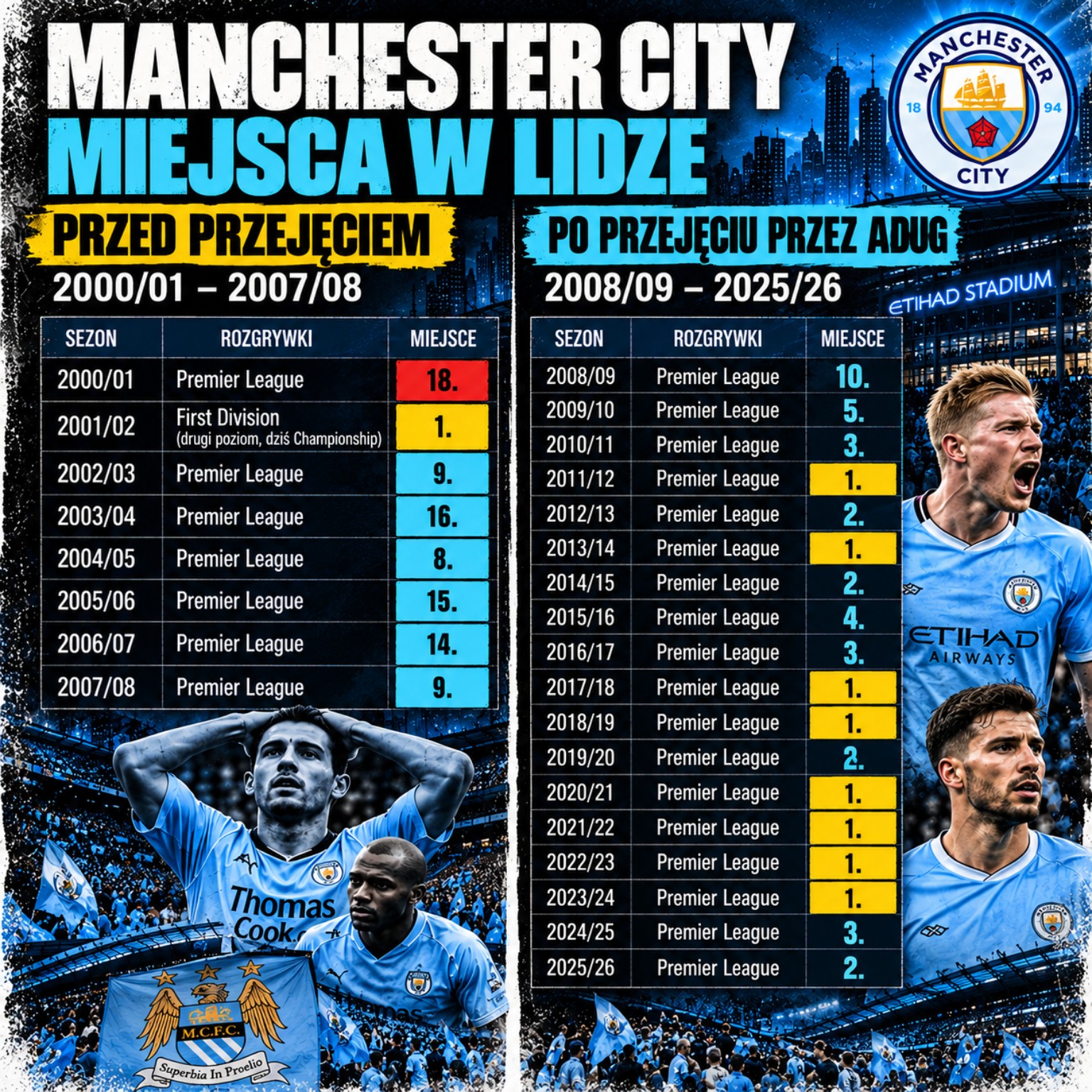
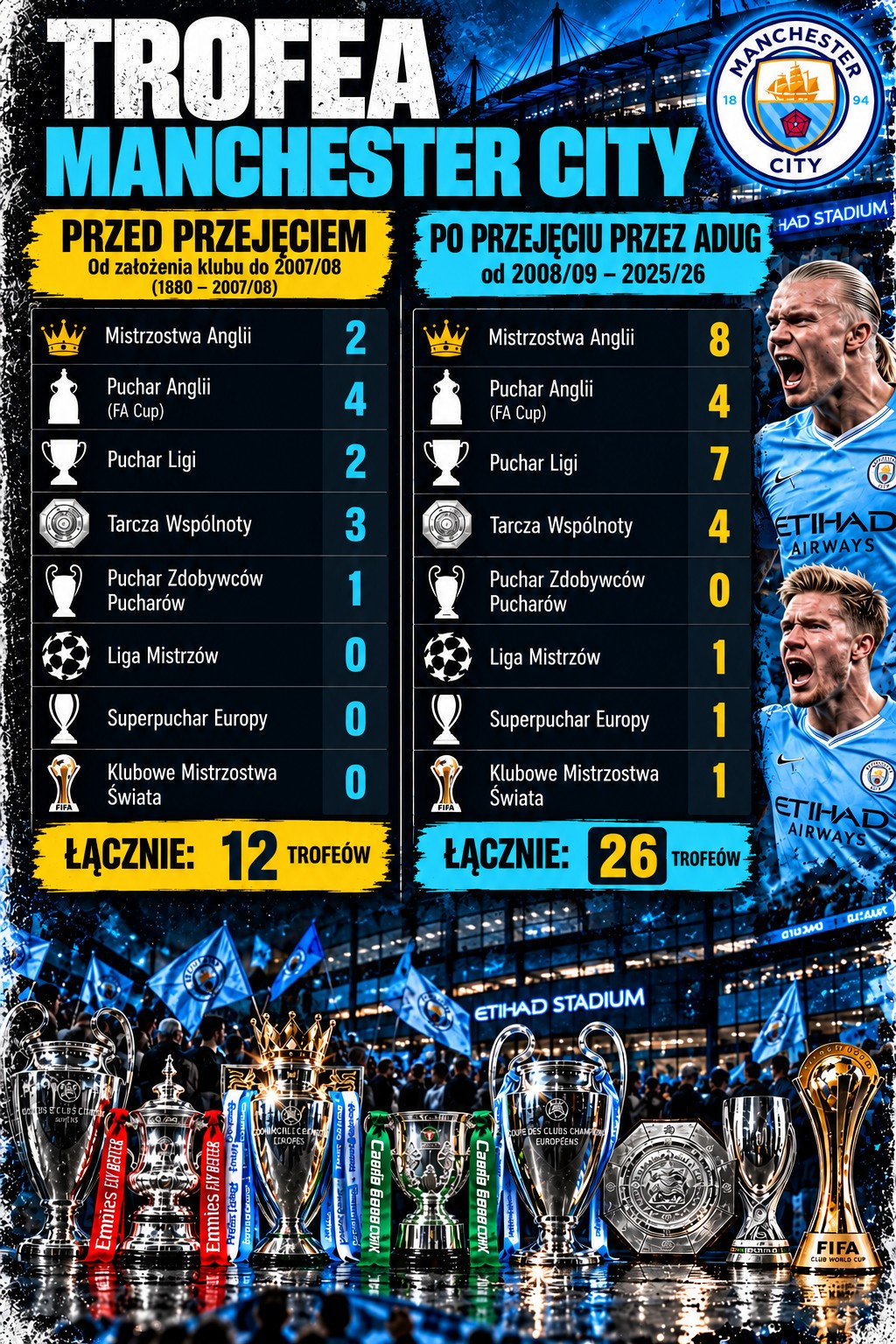
Could City have afforded Agüero and that whole squad if its finances had to look different? Maybe. Maybe it would still have won the title. Maybe not. You can’t remove one figure from the accounts and assume everything else would have unfolded the same way. I’m not claiming later signings such as Rodri, Rúben Dias, Grealish, Haaland and Gvardiol were “caused” by earlier breaches. I’m saying we don’t know how much of City’s position today would have developed in the same way.
And now Borussia
Here I stop looking at it like a commentator. Borussia has been with me since childhood. In 2021 City beat us 2–1 in the first leg and 2–1 in Dortmund. Sportingly, it’s simple: they were better; we lost.
But I don’t know whether, in a version of history where the rules were followed, we would have faced the same City. Qualification, draws, earlier results and the squads built on them all had to come together. So I won’t say City “stole” a semi-final from Borussia. I can’t prove that. BVB lost 4–2 on aggregate—that’s a fact. But perhaps Borussia wouldn’t have faced the same team in a different, fair version of European football.
Gündoğan, Akanji and Haaland went from Dortmund to City. I don’t blame them. A footballer’s career is short, and they choose what they believe is best.
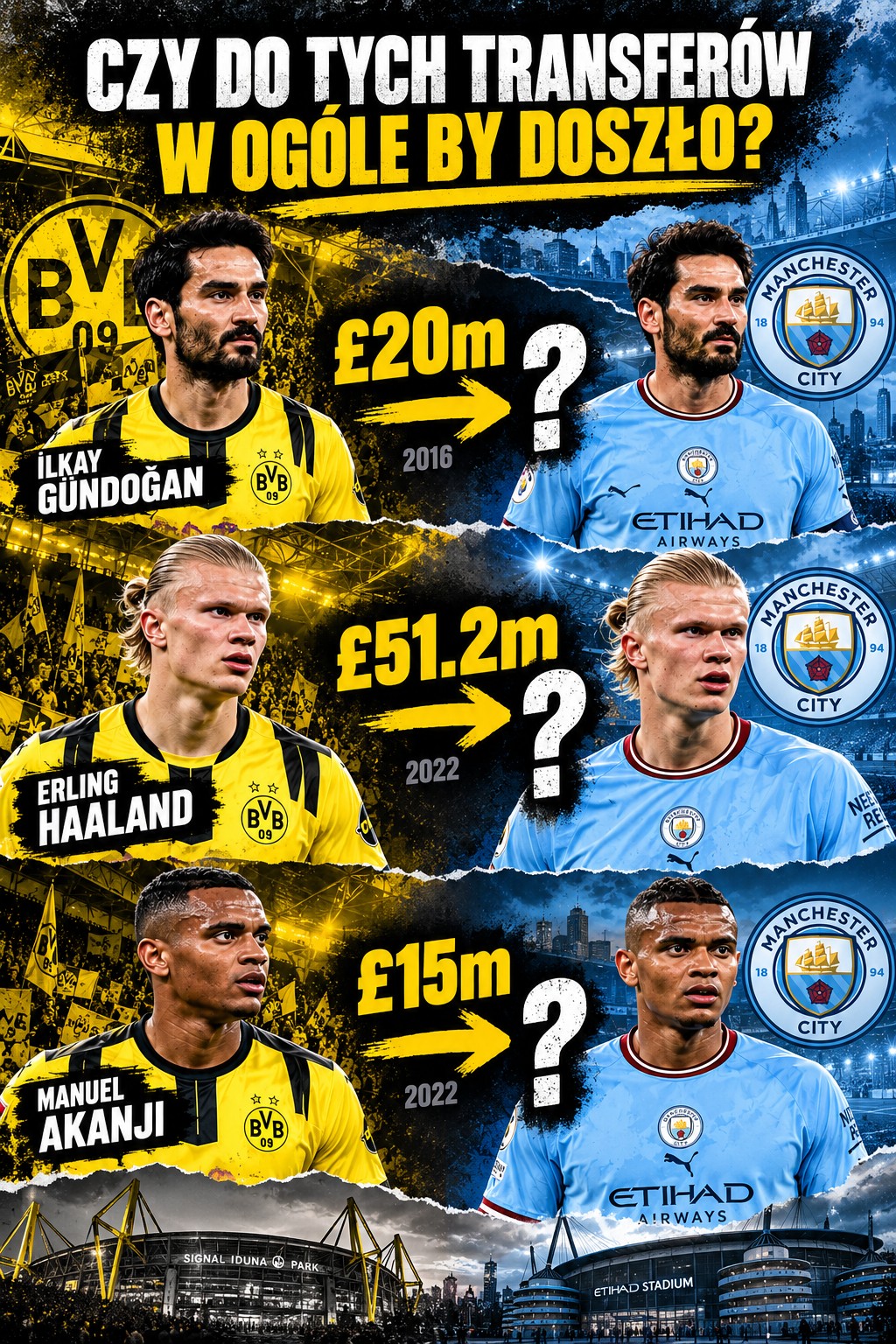
On 6 April 2021, Reus equalised in Manchester in the 84th minute. In the 90th, Foden made it 2–1 from Gündoğan’s assist. A former Borussia player helped beat Borussia. At 1–1 we would have gone to Dortmund with an away goal; the rule still applied then. I don’t know what would have happened. I only know a goal in the 90th minute changed the starting point.
Haaland makes me wonder most. He left in 2022; Bellingham left a year later. What if City hadn’t been able to sign Haaland then? Would he have stayed, gone to Real, or played alongside Bellingham? I don’t know. Maybe he would have left at the same time for another club. The point isn’t that an alternative would have been better for BVB. We can never test it.
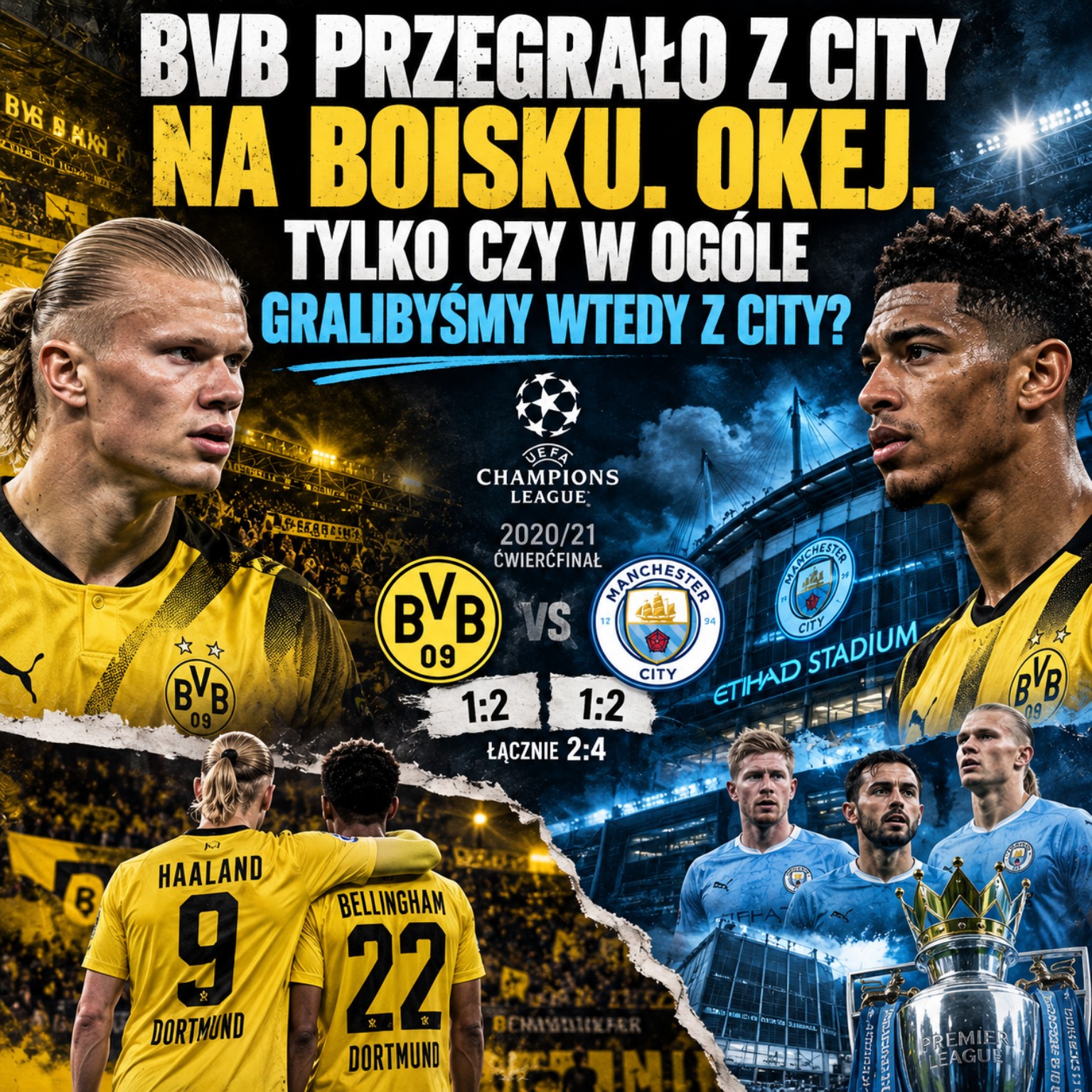
And it isn’t only Borussia. Every title has someone who lost it; every qualification means someone else went out.
What if Borussia had done it?
I don’t support City, so it’s easy for me to criticise them. Let’s reverse the situation: what if BVB had gained an advantage by breaking financial rules? Would I defend them? No. I wouldn’t say “everyone bends the rules,” “but the players were on the pitch,” or “they’re only regulations.” A club is more than its current leadership: memories, tradition, stands and matches you’ve watched for years. You don’t erase that in one move. But there are limits that would make me ask myself uncomfortable questions.
I don’t expect City fans to stop loving their club. I only expect them to separate that love from their assessment of decisions made by the leadership. I would expect the same of myself.
Trophies can be taken away. History can’t.
You can deduct points, impose fines, ban transfers, change the table or remove a title from a list. But you can’t replay the final day of 2012. You can’t repeat transfers or draws. You can’t find out whether Borussia would have met City in 2021 or Haaland would have stayed in Dortmund.
I don’t mind that someone is richer or that we have the worse team. I just want to believe that both teams reached a match by following the same rules.
The honest player isn’t a sucker. They’re the one who was wronged. The sucker is the cheat.
BVB lost 4–2 to City. I don’t dispute that. But the question of which City Borussia would have faced under different circumstances remains unanswered. That is the bitterest part: not only an unfair advantage, but knowing we will never learn its scale.
My personal comment as a football and Borussia Dortmund fan. Questions about an alternative course of events are hypotheses, not claims that particular matches, transfers or trophies would have had different winners. As of October 2026.
Sources
Premier League: Independent Commission findings, 29 September 2026 ↗
Premier League: Manchester City files an appeal, 2 October 2026 ↗
UEFA: Manchester City 2–1 Borussia Dortmund, 6 April 2021 ↗
UEFA: Borussia Dortmund 1–2 Manchester City, 14 April 2021 ↗
20 years of work. And the beginning of a new chapter.
On 25 September, it was exactly 20 years since I started working full-time.
I made a short video to mark the occasion. I tried to fit two decades of working life into a few dozen seconds. Of course, that isn’t possible. 🤷🏻
There is a separate story behind every clip. I’ll tell some of them in future posts. This piece isn’t about what happened over the past 20 years. It’s about what “Building Again” means to me and why I’m doing it.
I’m not starting from zero
“Building Again” doesn’t mean throwing away everything that came before and starting my life over. That can’t be done. I have 20 years of work, experience, decisions, mistakes, successes and failures behind me. Some things I would do again; others I wouldn’t repeat today. All of it is part of me.
For a long time, my own stubbornness kept me from changing direction. I stayed on one path—my own construction company—instead of trying something else. I know now that trying new things isn’t the risk. The risk is doing the same thing and hoping something will change on its own. I’m changing the project. I’m building again.
I’m building a life, not an online profile
Instagram, this website and the things I publish simply record the process. They aren’t its purpose. I’m not building again to become an influencer or to create an online image of someone who has everything figured out and is now going to tell other people how to live. I’m still on the way myself.
This is about real life away from the screen: more security for my family, more say over my time, and the ability to choose instead of acting only because I have no other option.
Time. Security. Choice.
Those three words probably describe best what I want to build.
Time.
Not so I can do nothing. I want more say over who and what I give it to.
Security.
To me, that doesn’t mean one “secure” job. I want to reach a point where my life and my family’s security don’t depend on a single source of income.
Choice.
Being able to say, “I’m doing this because I want to,” not because there’s no other option. Today I don’t have as much of any of these three things as I’d like. That’s why I’m building, on what I already know.
Construction isn’t the problem
I’ve spent most of my working life in construction, and the work can still give me satisfaction. It used to give me more. I built people’s homes. Later I could look at a building and think: I made something concrete, something that will last for years. My work looks different now, but I still like being able to see what I’ve done.
The problem isn’t that I hate construction and want to escape it at any cost. The problem is the price of the way I work now. It is physically demanding, takes up a big part of the day and leaves me with limited control over how I use my time. My income also depends on one employer. A job doesn’t provide complete security.
If you can be hired, you can be fired.
A job provides regular income, and that matters. But I don’t want to confuse regularity with complete security. Running your own business isn’t secure either—I know that all too well. It gives you a little more control but brings different risks.
I don’t want to look for another single thing on which everything depends. Over time, I’d like to build several independent pieces: more than one income source, savings of my own, investments, and perhaps one day a property that earns its keep. I don’t have those things now. This isn’t a description of my current life. It’s part of a project I’m still trying to make real.
I want more say over my own time
Money matters. Financial security matters too. But ultimately I want something else as well: time. Five days a week, around twelve hours of my day are taken up by work, commuting and everything that comes with them.
When I say I want more choice, I don’t mean: “I never want to work on a building site again.” I want to reach a point where I have more say in how I spend my time, with more of it for family, friends and things I genuinely want to do—not only work and commuting.
I have a project, not a finished set of instructions
“This time, according to my own plan” doesn’t mean I know exactly what every next step will look like. I want to build more security, get some of my time back and increase the number of options I can choose from. I don’t have ready-made instructions for getting there.
I’m testing different paths, learning new things, developing skills I already have and trying to use what I’ve learned. Not all of it has to work. Some ideas will fall away; others may matter more than I expect. 🤷🏻 That’s why I treat it as a project. A project can change when reality shows that something isn’t working.
That’s why I show the journey, not the result
It’s easier to tell a story online after the fact. Once you know what worked, you can connect the dots and make a simple story: problem → decision → hard work → success. Life rarely looks that simple.
I don’t want to wait a few years and only then tell people how I “built everything again.” I’d rather show it now, while I don’t know the result: what I’m learning, the decisions I make, the ideas I test, what works and what turns out to be a dead end. Not as someone who has found the recipe for life, but as someone trying to build a better life than before.
There’s one more reason
I’m using the effect of making a public commitment on myself. I know myself well enough 🤦🏻 to know I can move a plan in a notebook to Monday, then the next Monday, and eventually January. 😅 But when I say publicly, “I’m building again,” it’s harder to pretend I never said it.
Setting up an Instagram account and a website hasn’t changed anyone’s life. It won’t change mine either. The rest still has to be done. But since I’ve decided to change something, I can use this profile and site as one more reason to get moving and actually do it. This website records my journey. It’s also a bit of a kick up the backside. 😅
This time, according to my own plan
I don’t have finished instructions. I do have a direction and I know why I’m doing this. “Building Again” isn’t a promise that everything will work out. It’s a decision not to wait and see. I want to try, learn, test and change the plan when needed. This website is meant to record that journey—not after the fact, but while it’s happening. Twenty years are behind me. What comes next is only just being built. I’m not starting from zero. I’m building again. This time, according to my own plan.
The Kitchen, Dad and Dragon Ball
Childhood memories, afternoons watching TV with my dad, and the hope that I’ll share that experience with Kuba one day.
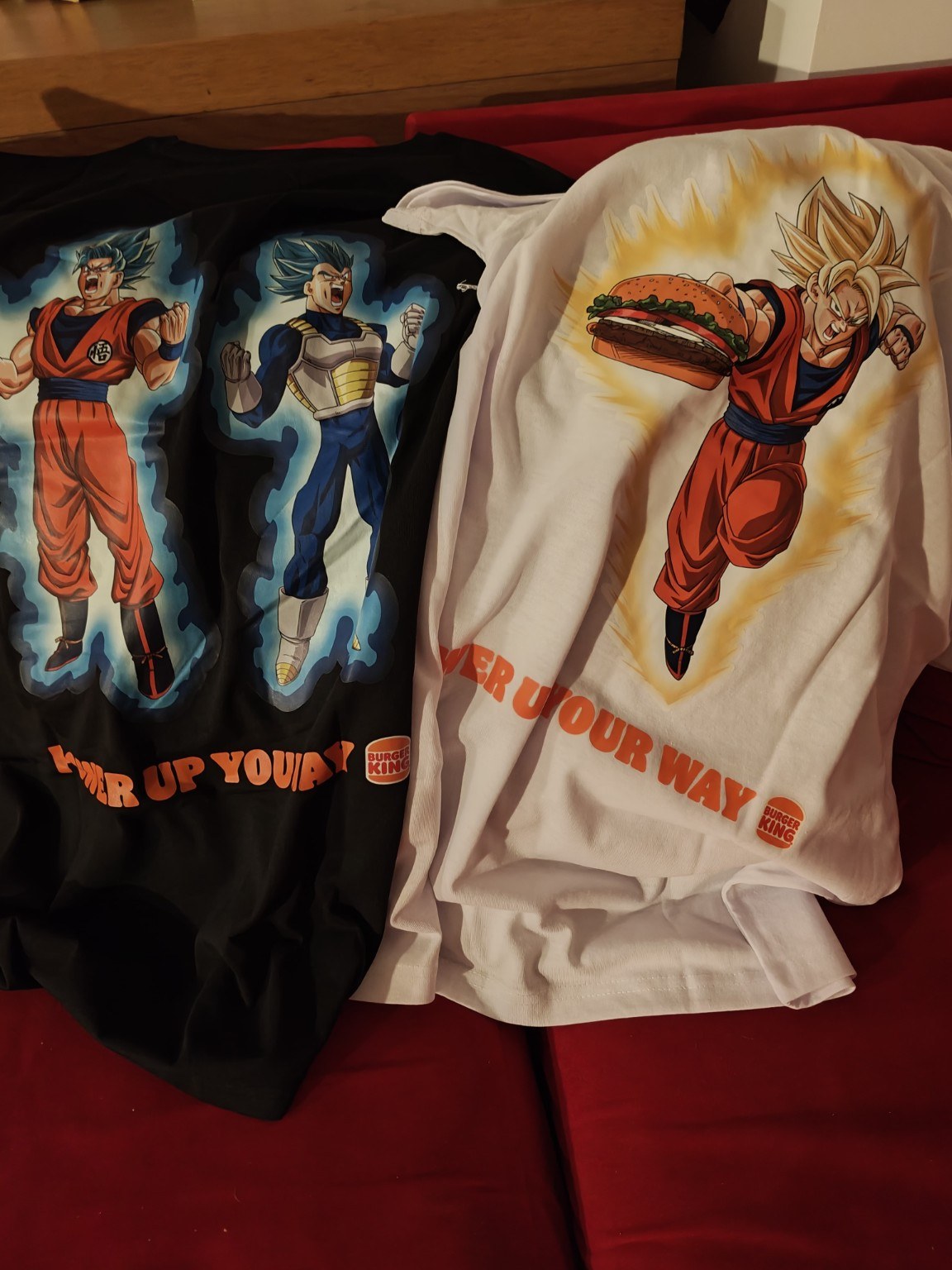
We were coming back from the embassy in Bern, where we had applied for Kuba’s passport. Shortly after joining the motorway, we stopped for lunch. We had KFC in mind, but ended up at Burger King, where they were running a Dragon Ball promotion. I came away with two T-shirts.
To me, it’s more than a promotion. Dragon Ball and Captain Tsubasa were part of our daily routine with Dad after school.
We watched them in the kitchen. In our old house, life revolved around the kitchen: there was no central heating, and Mum cooked on a coal stove. It was the warmest place in the house. A table, a sofa bed, later a couch and a television.
I remember a lot from those series. From Dragon Ball, the fight with Frieza. From Tsubasa, the shooting duel with Kojiro and the pitches so huge that, near the halfway line, the stands seemed to disappear over the horizon. The final three minutes of a match could last an entire twenty-minute episode. I was a child, and watching together made me happy.
When I had a month off after Kuba was born, I watched the entire first season of Tsubasa again. No deep reason—I had the time and felt like it. To me, they’re the best animated series ever made.
Dad is watching some Dragon Ball season on TV again now.
I’d like to watch them with Kuba one day.
Motivation wasn’t enough for me once before
On an earlier attempt to build a business, the rejections I faced, and the difference between motivation and a decision.
Motivation is great. Honestly.
It feels good to wake up full of energy, convinced you could move mountains today. The problem is that not every day feels like that. Mine certainly don’t.
I once tried to build my own business. I had plenty of motivation. I thought I’d made the decision to do it. But when 20, maybe 30 people said no, I began to back away. My motivation kept fading, and nothing else was driving me then: no clear decision, goal or plan. I didn’t get where I wanted to go.
The words of Justyna Kowalczyk that I return to years later
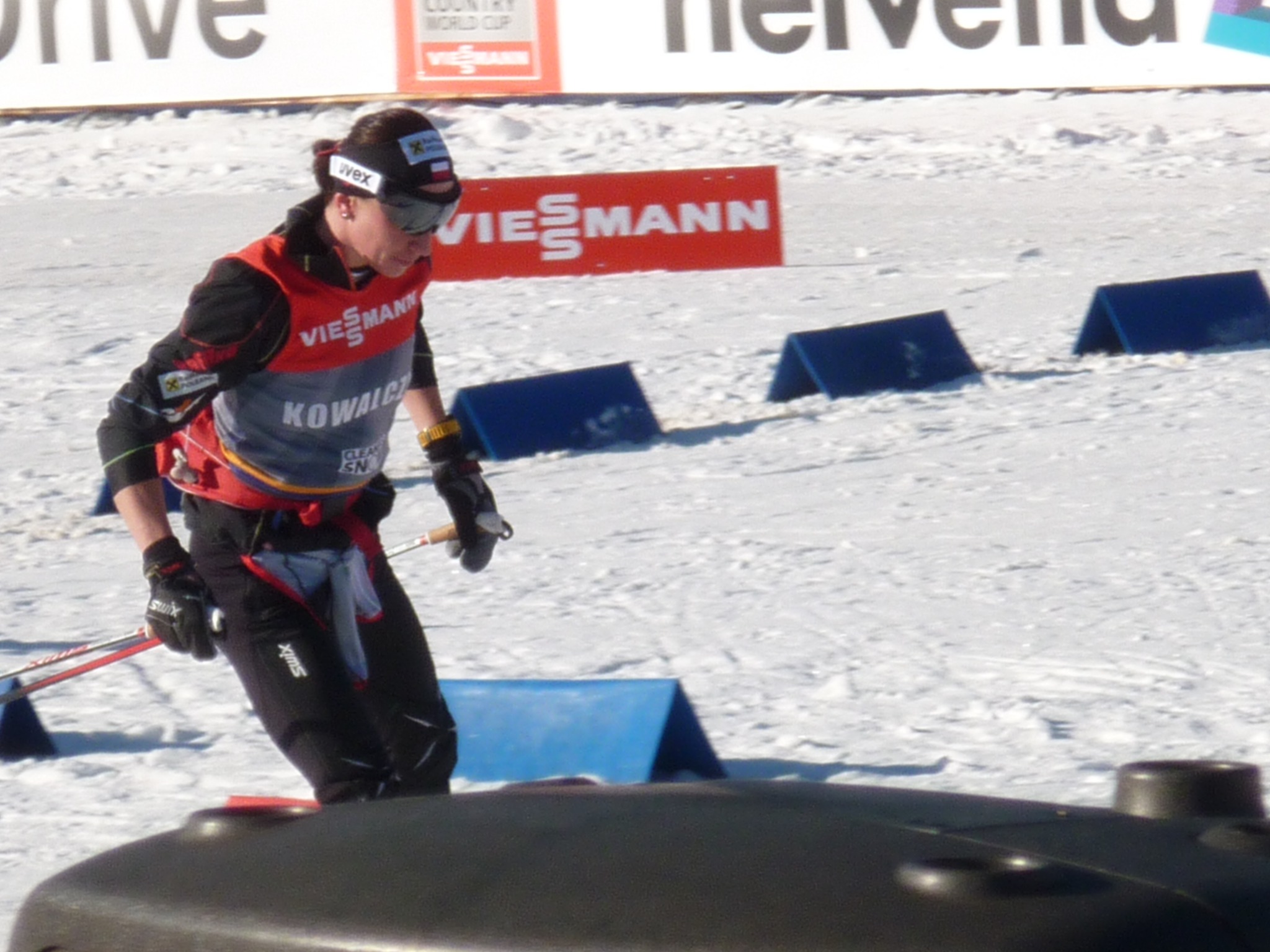
I followed her competitions for years. In January 2014, I also had the chance to cheer her on in person at the World Cup in Jakuszyce. I took the photo that accompanies this piece that day.
Years later, I went back to an interview in Przegląd Sportowy. Paulina Maj asked her: “Where do you find the strength and motivation to work? What drives you to train so hard?”
Justyna replied: “I really like sport. I’ve been a fan since I was little; now I’m an athlete. It’s my profession, my life and work that I enjoy. But I don’t like words like motivation. If I have something to do, I do it. That’s it.”
It’s important to remember the context: she was talking about a sport she loves and work she enjoys. I don’t take her words as a universal formula. A professional athlete’s life and mine are entirely different realities.
Still, that sentence stayed with me. Justyna isn’t talking about a decision here—that part is my own reflection.
Motivation versus decision
Motivation says: “I feel like it.”
A decision says: “I’m doing it, even when I don’t feel like it.”
The right decision doesn’t guarantee success. But without one, failure is almost guaranteed. A decision by itself won’t change anything either: consistent action has to follow.
I do physical work in construction. I have a family, a home and an ordinary life to manage. At the same time, I’m trying to build new skills. My time and energy aren’t unlimited, so I can’t base my plans on a temporary burst of enthusiasm. It’s not about doing everything; it’s about not losing direction.
I don’t want to give 100 percent for a week or a month again, then wait for motivation to return. I want to see what happens if this time I stay committed long enough for something to really change.
I’m not writing this as someone who has mastered self-discipline. I haven’t. I still have days when I’m tired or wonder whether what I’m doing makes any sense.
I don’t yet know where this will take me. I’m still in the middle of it.
Quote source: Paulina Maj, interview with Justyna Kowalczyk, Przegląd Sportowy, 10 January 2012.
More than 30 years with Borussia
Teams, coaches and players have changed. My life has changed too. Borussia stayed.
I don’t remember exactly when I started supporting Borussia Dortmund. I just know it was more than 30 years ago.
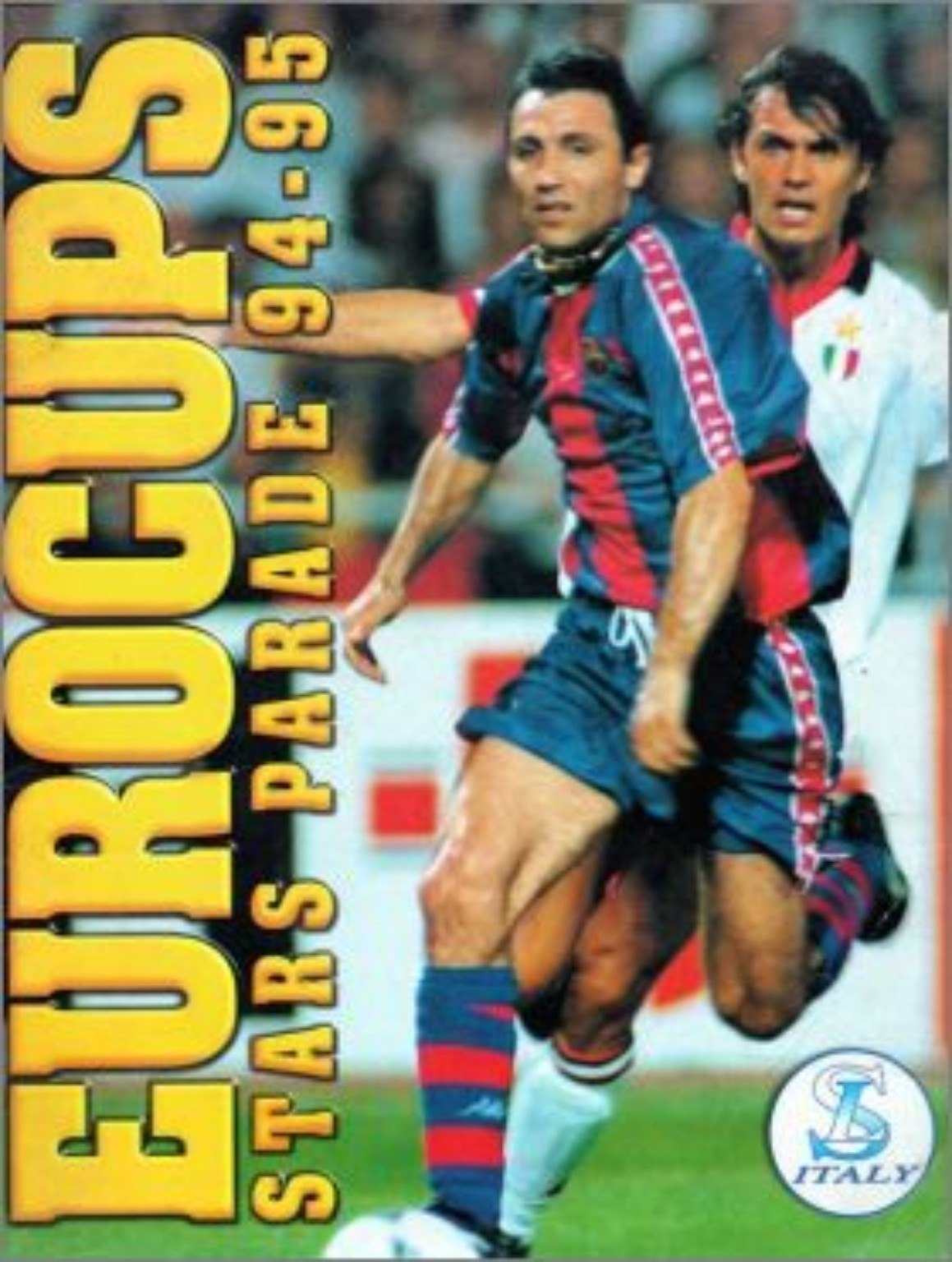
My earliest memory is a football sticker album. It had a blue cover with Stoichkov on it. Borussia was in the album, and even then I said I was backing BVB. I can’t remember the album’s title, only that cover.
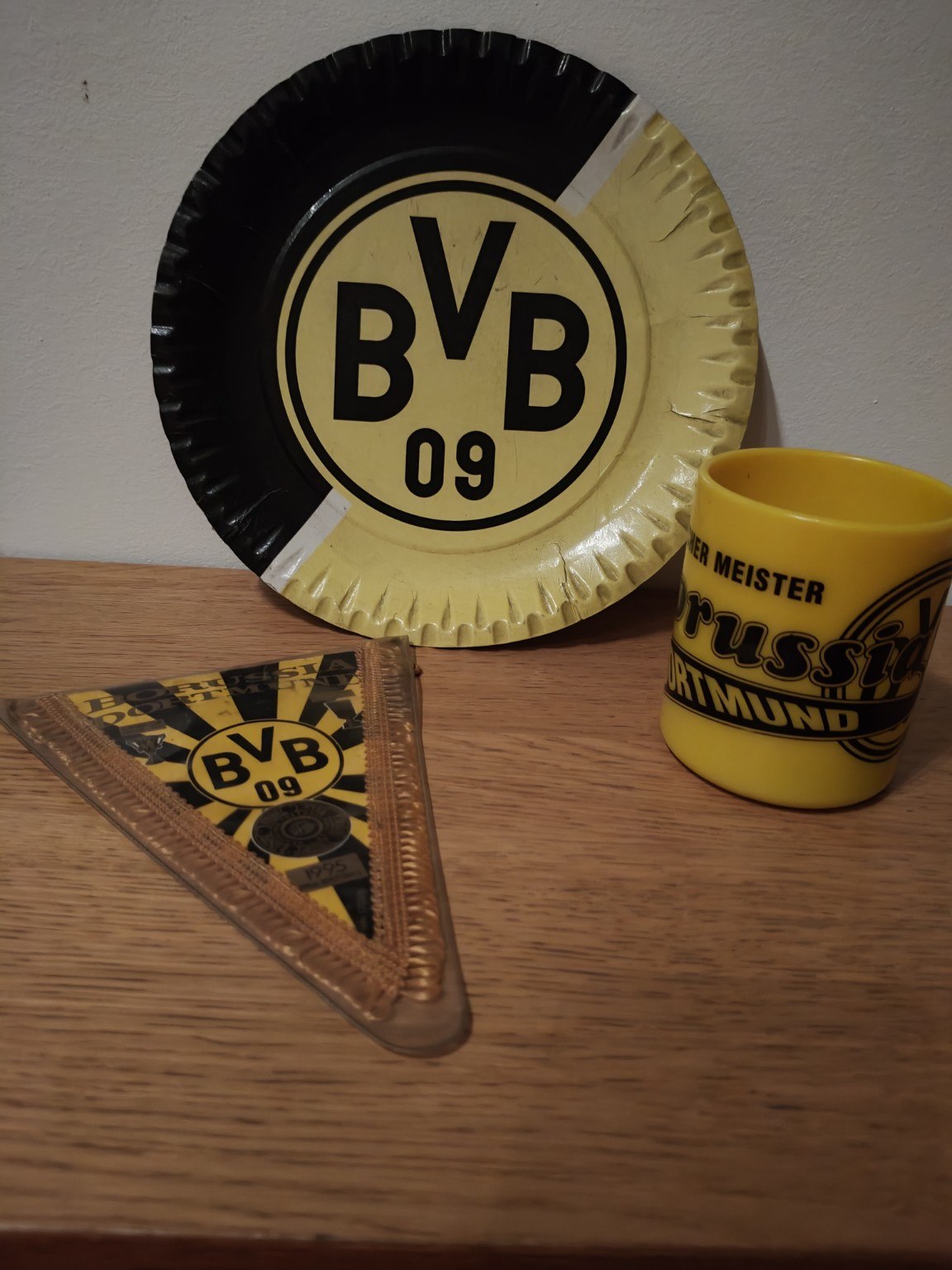
In the summer of 1995 we went on holiday to visit my grandparents in Dortmund. We didn’t go to the stadium; I was a child and nobody wanted to take me. But my grandad bought two sets for my cousin and me in the park: a pennant, a plastic cup and a paper tray. I still have them all.
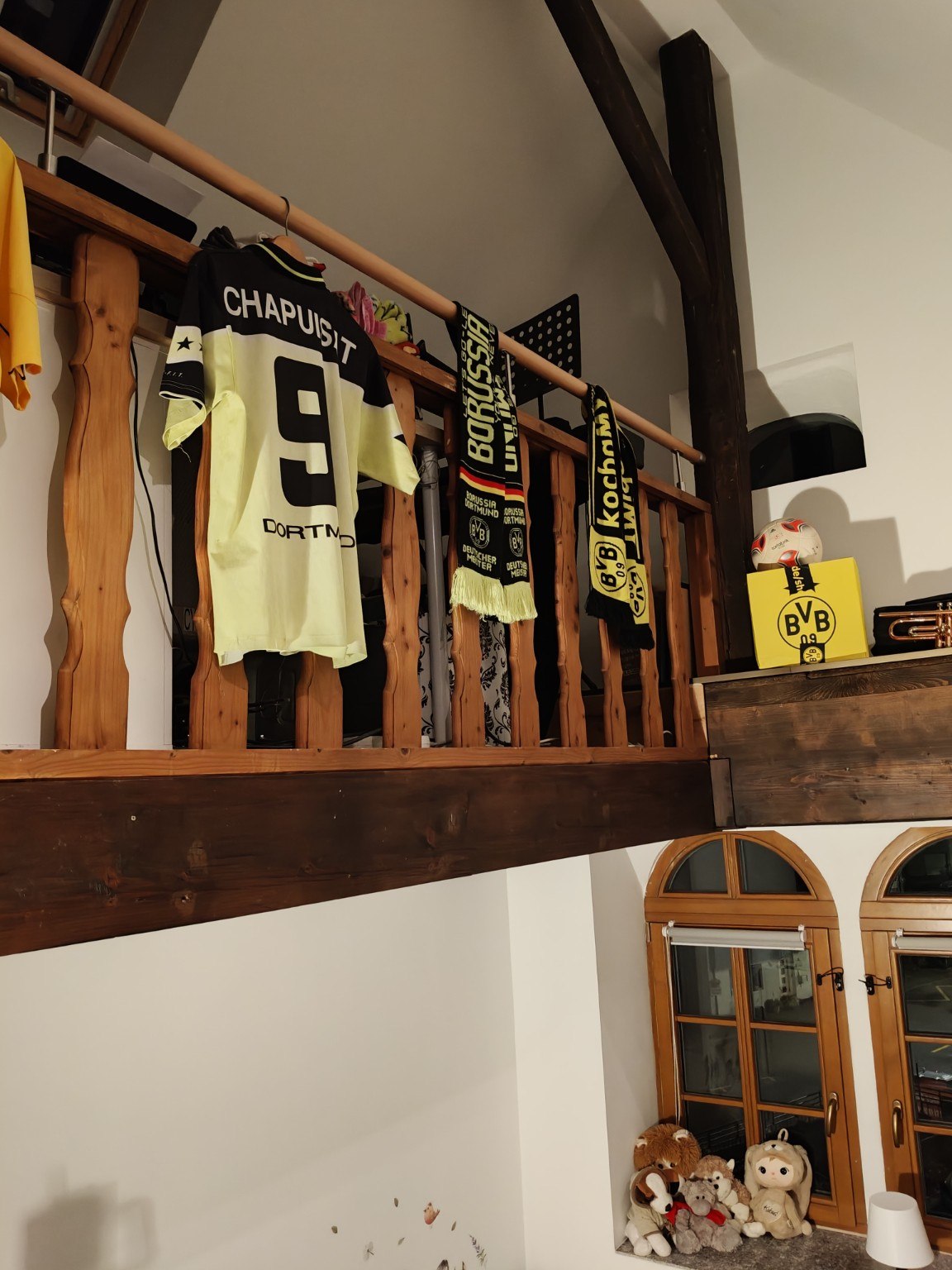
I got the number 9 Chapuisat shirt from my mum for Easter 1997, before the Champions League semi-final against Manchester United, along with a scarf. The first BVB match I really remember was the second leg at Old Trafford. I only saw highlights of the first match. Wearing the shirt, shorts and scarf, I watched Köhler stop Cantona and then watched the final against Juventus. The shirt hangs on the railing beside my scarves now. I doubt I’ll find the shorts.
In 2013, the TV programme “To i Owo” and Eurosport ran a competition. The prize was tickets to three matches, including the Klassiker at Signal Iduna Park. The task was to write why people should watch the Bundesliga and what emotions it brings. I wrote three versions. Only the last one came from the heart: the emotions are enormous and impossible to put into words. I won two tickets and the official match ball.
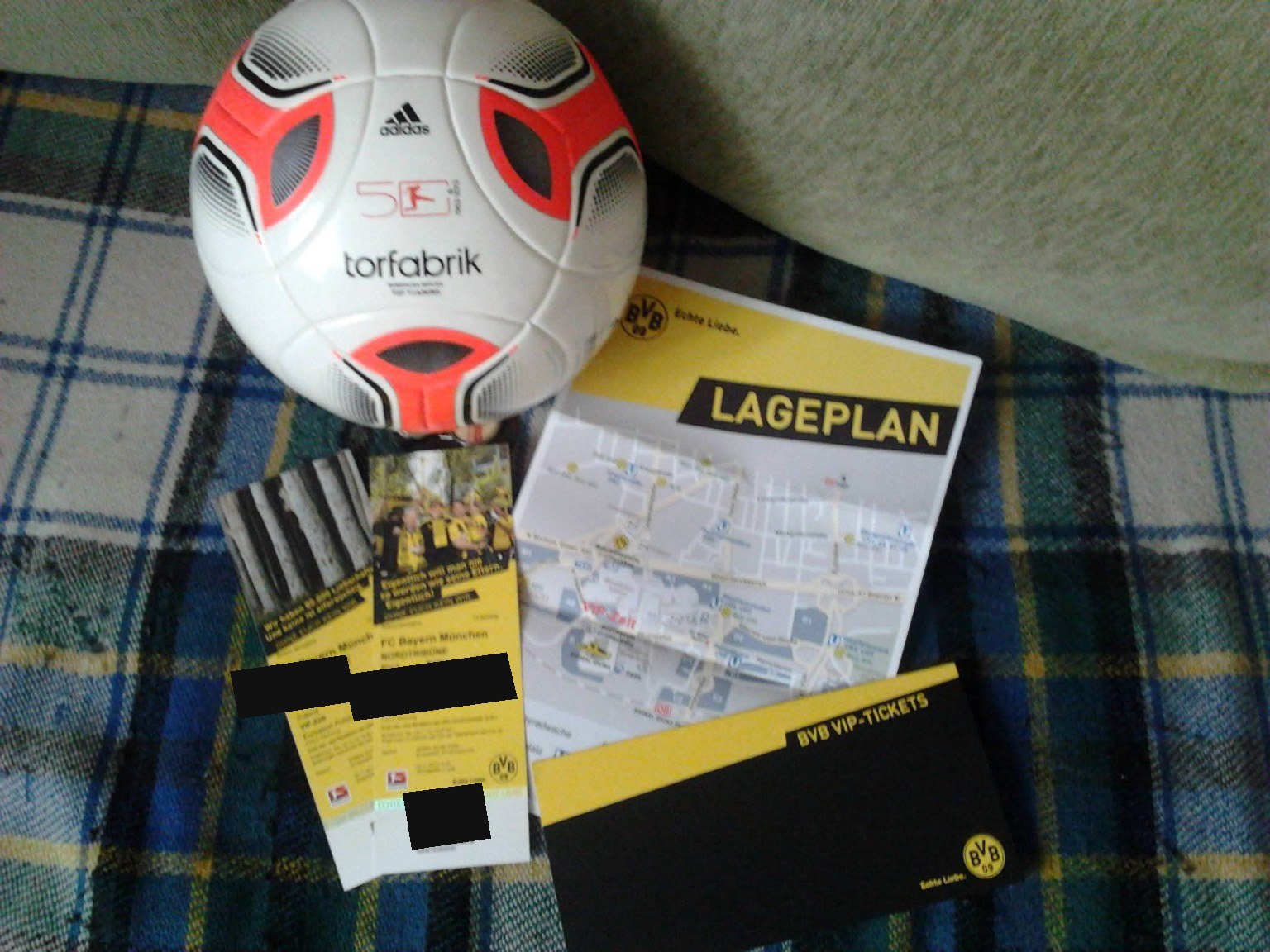
Only when I got to the stadium did I realise the ticket got me into the VIP tent. It was so close to kick-off that the tent was almost empty: hostesses, waiters and bartenders. I sat behind the goal, opposite the Yellow Wall.
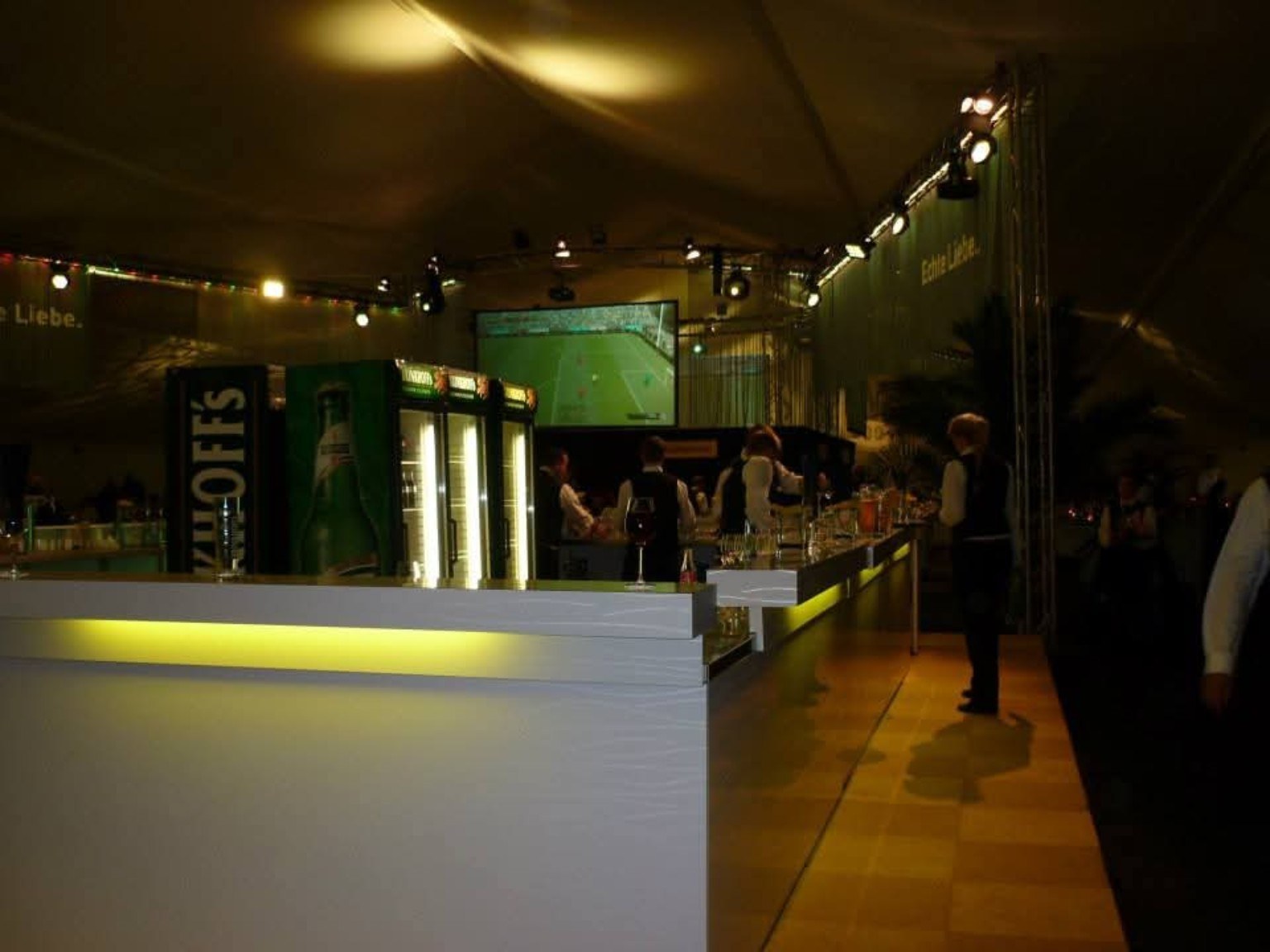
It was the Bayern match on 23 November 2013. Götze was playing against Borussia for the first time. Deafening whistles when he came on, and every time he touched the ball. The same for Neuer, a Schalke academy product. Huge applause when Piszczek ran onto the pitch. We lost 3–0, and Lewandowski missed several chances.
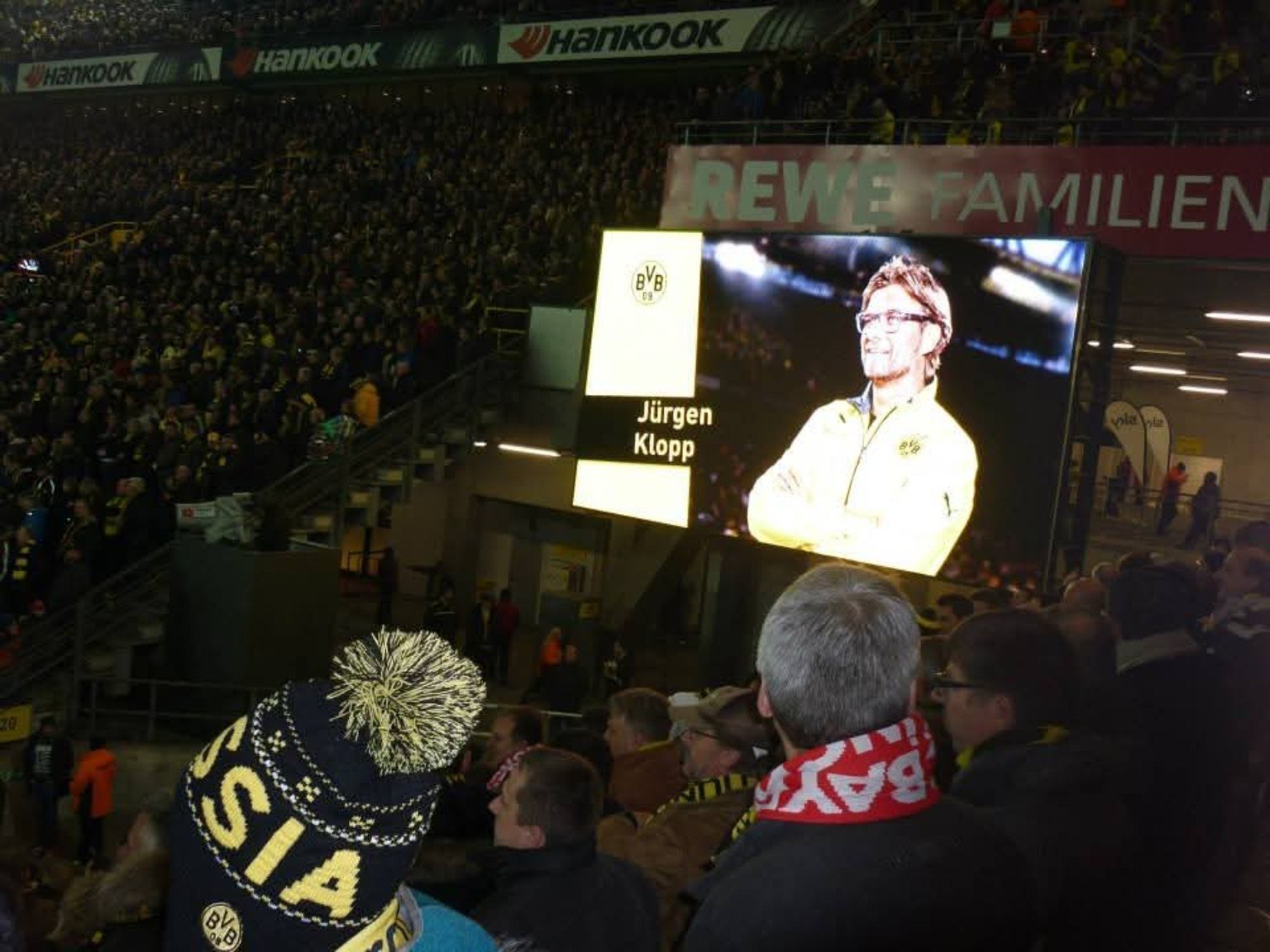
I don’t remember who scored. I’ve only just checked: Götze came off the bench and scored against us. I saw a lot of things differently back then.
After the match, once I was home, I posted a few photos from the stadium and the BVB museum on Facebook. No order, no captions. I didn’t think it would ever become a story. I was just happy.
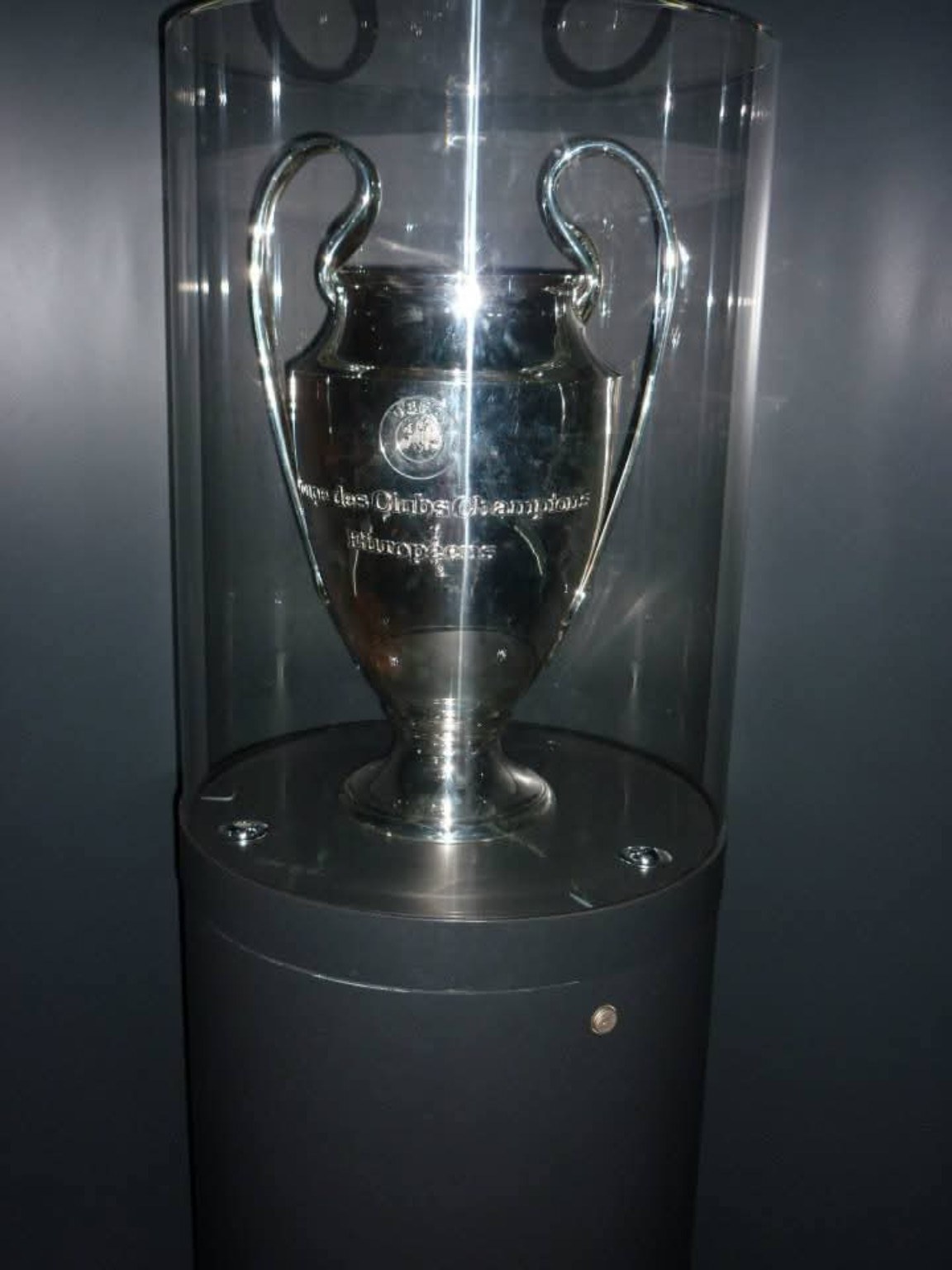
There were worse nights too, like the 2–2 draw with Mainz on the final day of the 2022/23 season, after which the title stayed in Munich.
Teams, coaches and players changed. My life changed too.
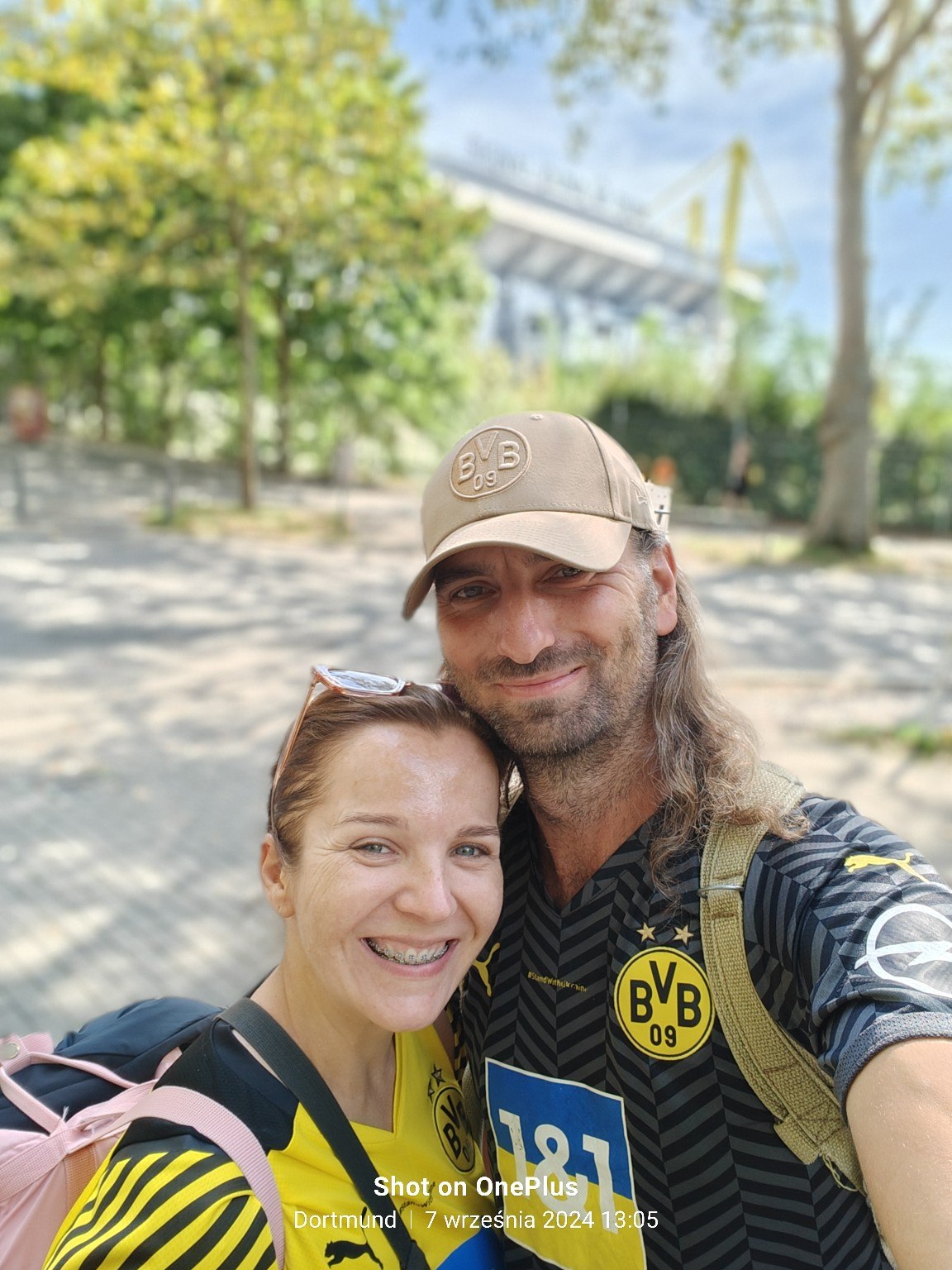
Kuba already has a towel, two cloth nappies, a squeaky plush toy and another one with a light. All from the BVB shop. He’s grown out of the “50% Papa, 50% Mama, 100% BVB” bodysuit, but the education continues. 😄
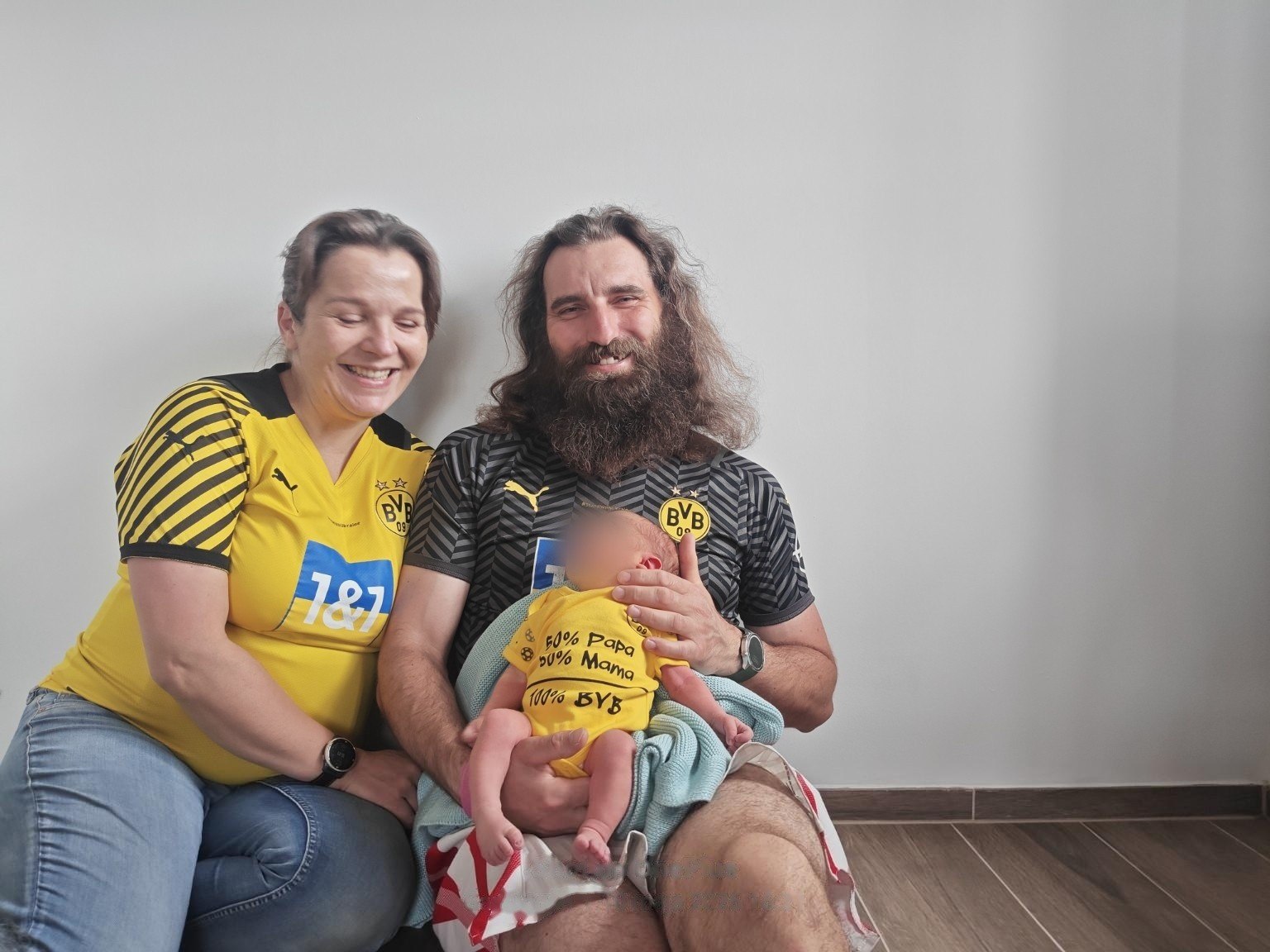
Kevin Großkreutz once joked in an interview that if his son supported Schalke, he’d give him up for adoption. He said it before he had a child. I’m less radical. For now, I stick to the towel, nappies and plush toys.
Almost everything has changed in more than 30 years.
Borussia stayed. 🖤💛
It began with VHS tapes. My story with rock
From recordings off the TV to concerts that have stayed with me for years.
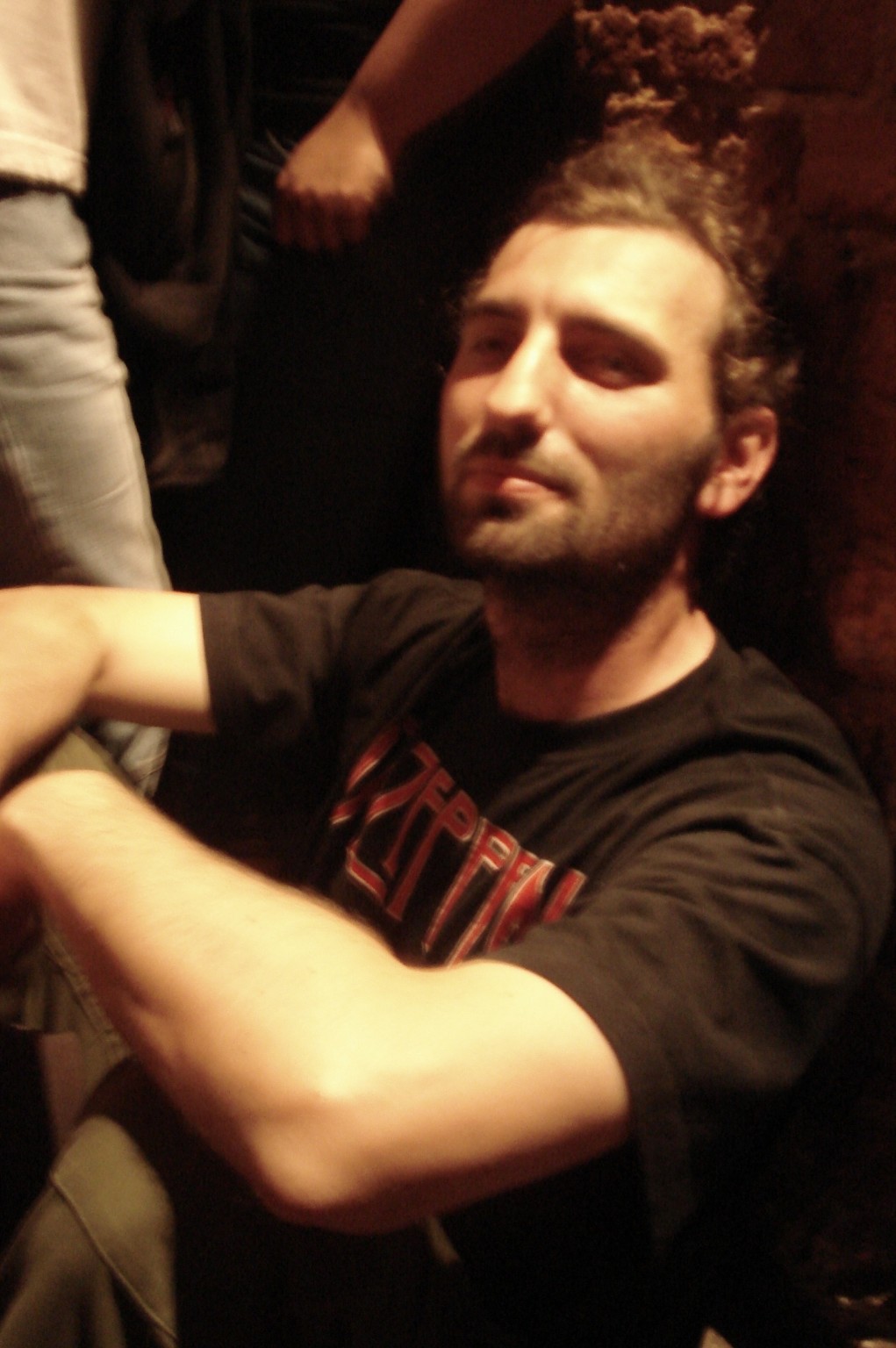
I was seven to nine when two VHS tapes of TV recordings appeared at home. My mum’s cousin had recorded them at her request as a gift for my dad.
I didn’t know any of the bands. I just watched and listened.
One of the first images I remember was a guy with prominent teeth. On the next recordings his hair got shorter, his moustache bigger and his outfits tighter. 😄 The other musicians’ hair got shorter over time too—all except the guitarist, who kept his distinctive hairstyle.
Only later did I learn that the singer was Freddie Mercury, the guitarist was Brian May, and the band was Queen. When I got to know their discography, I realised it had been Greatest Flix.
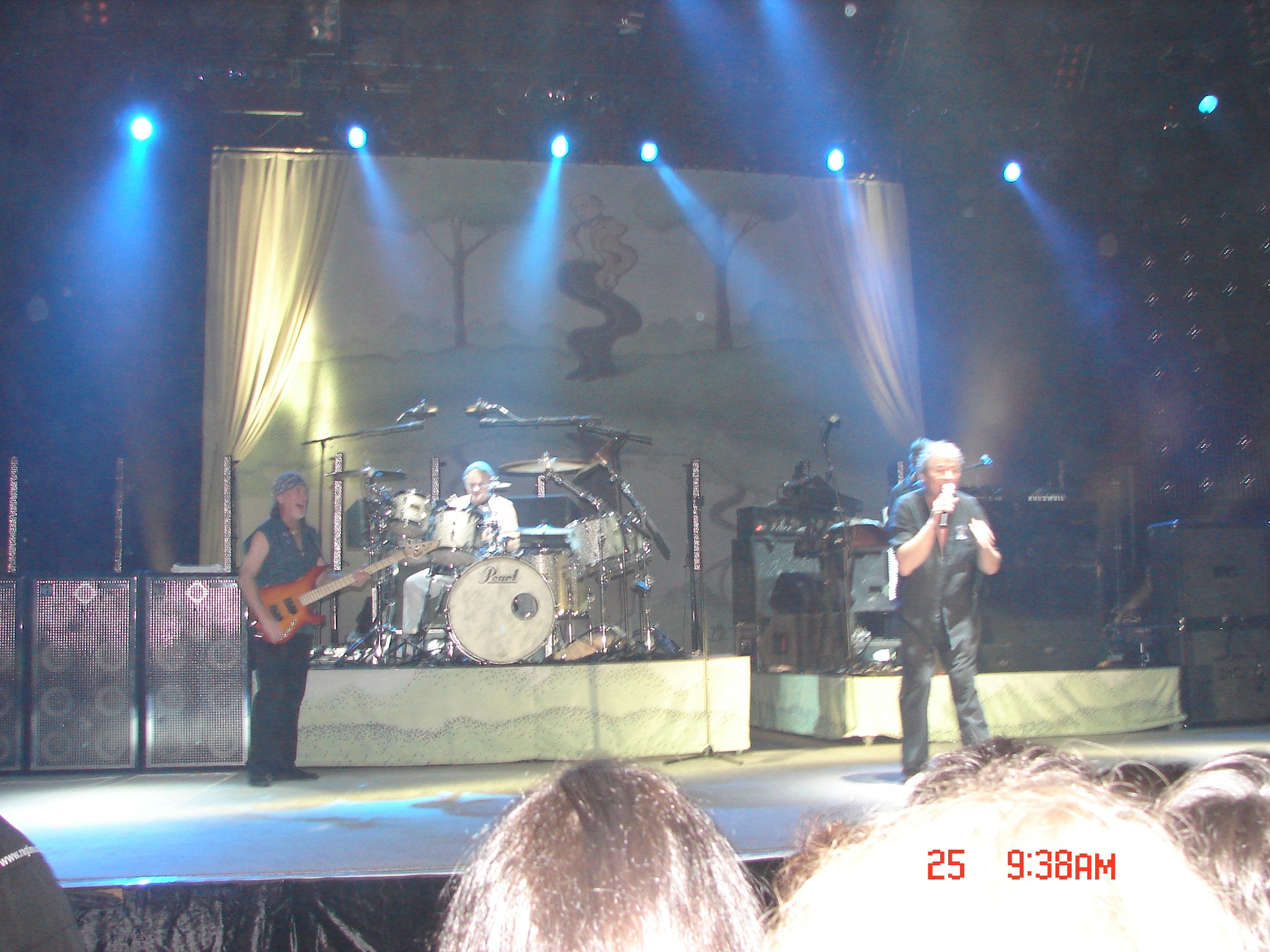
Right after Queen on the first tape came a Deep Purple concert, opening with Highway Star. I remember green laser letters DP, with a dragon and maybe a snake coming out of them. Perhaps the dragon ate the snake, while the whole image started spinning faster and faster. Ian Gillan wore a vest. I have no idea where it was or what year: an indoor arena or enclosed stadium, probably the second half of the ’80s or early ’90s.
The second tape had another Deep Purple concert outdoors, maybe at a festival. Ritchie Blackmore smashed his guitar during it. There was also Black Sabbath with Dio. Ronnie said that when people make those horns, you know what it means: “Long live rock ’n’ roll.” Van Halen was on one of the tapes too, though I can’t remember which. I remember it as colourful and loud, a completely different kind of show from the others.
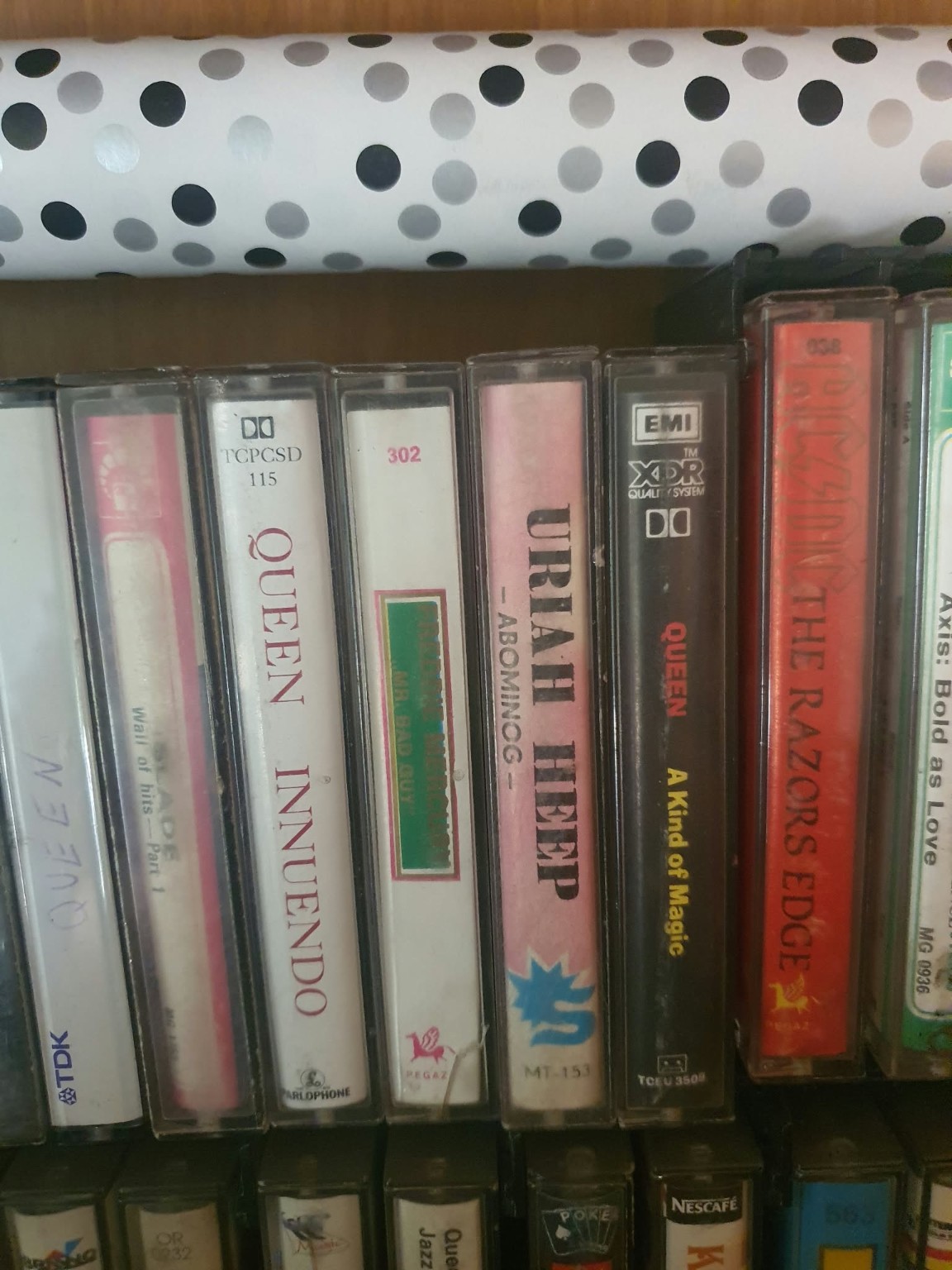
There were plenty of audio cassettes at home too: AC/DC, Led Zeppelin, Metallica, Slade. I learned the band names later.
I played those two VHS tapes a lot. There was no day when I decided that from now on I’d listen to rock. I just liked it more and more.
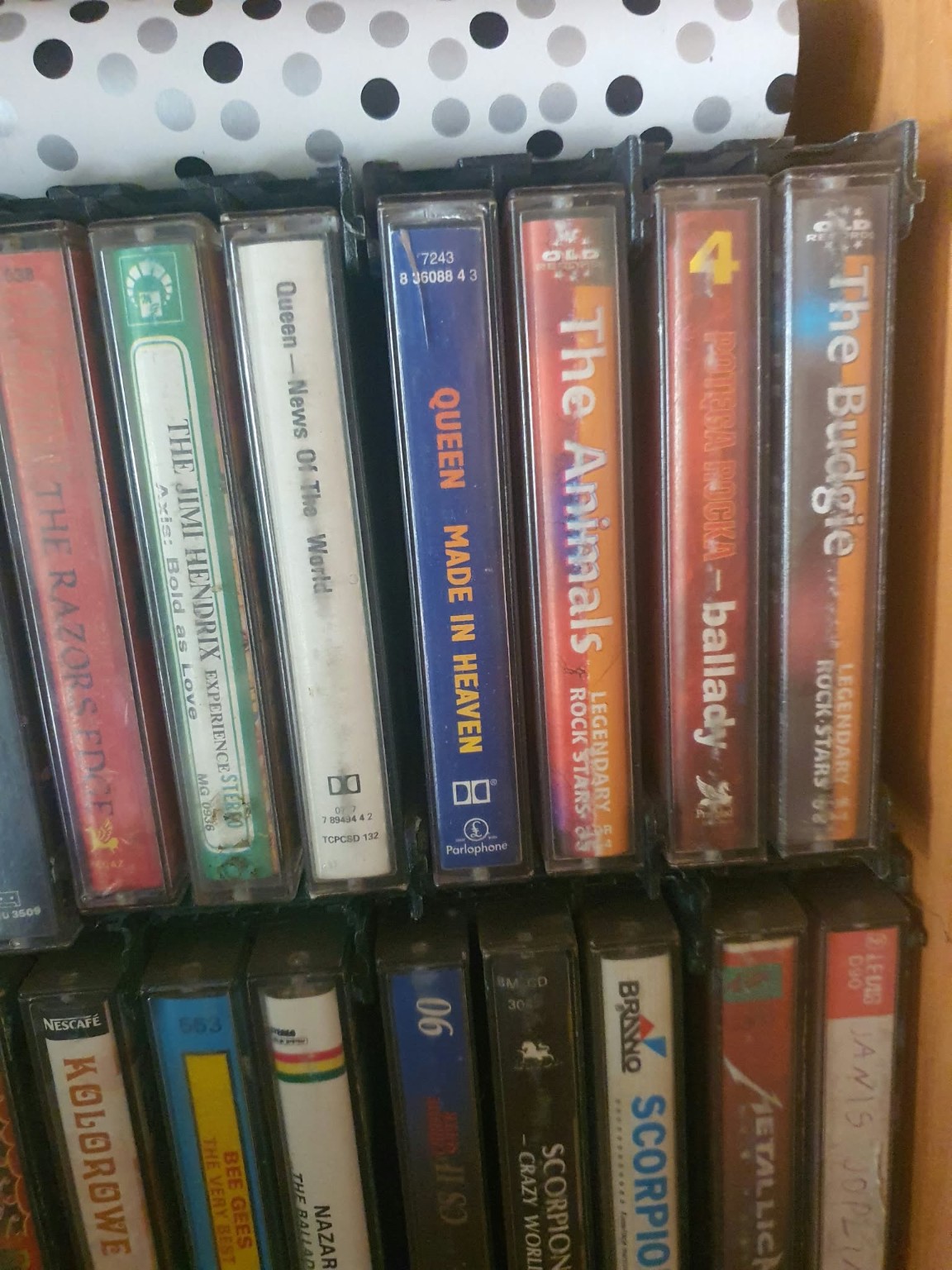
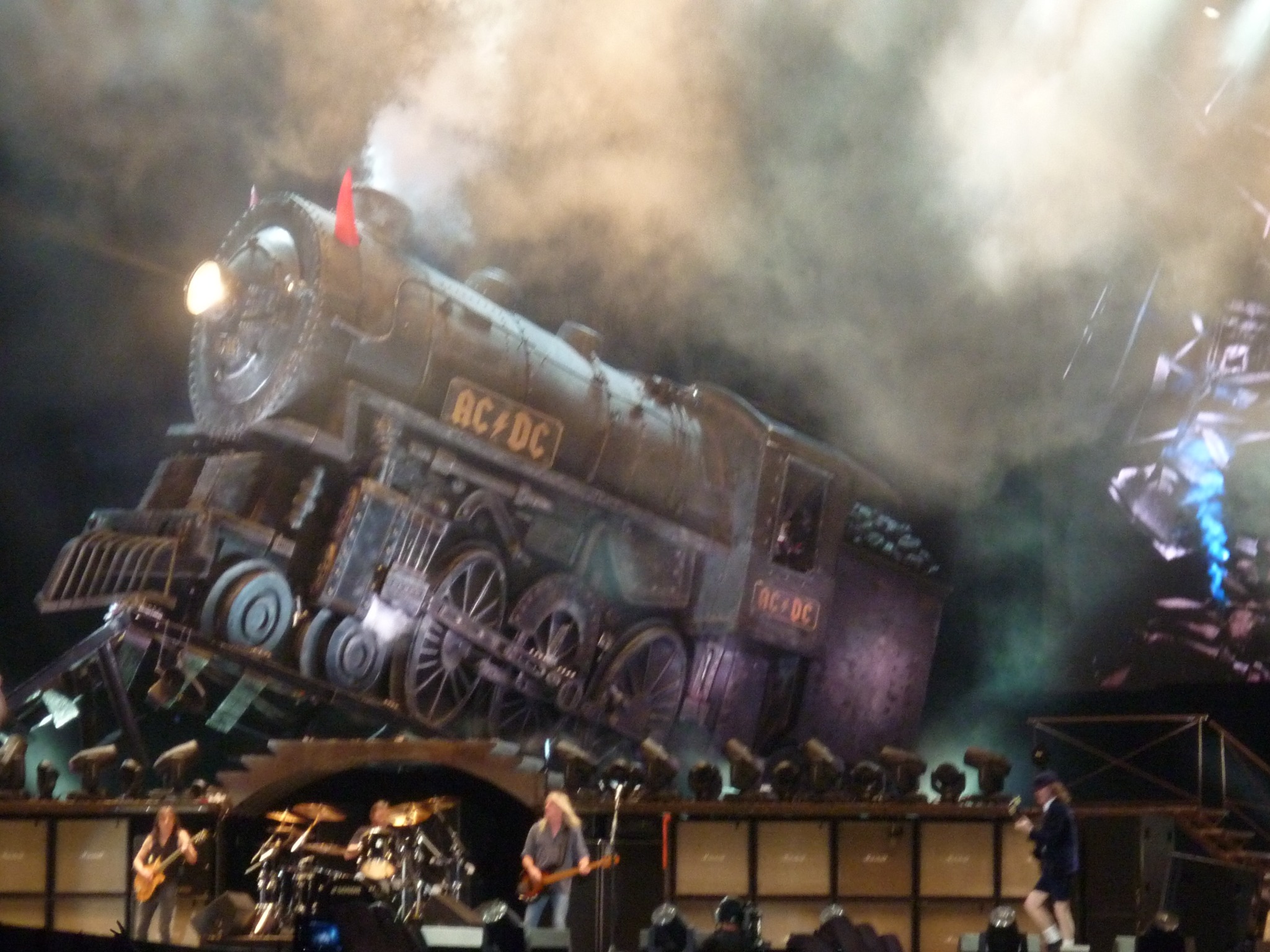
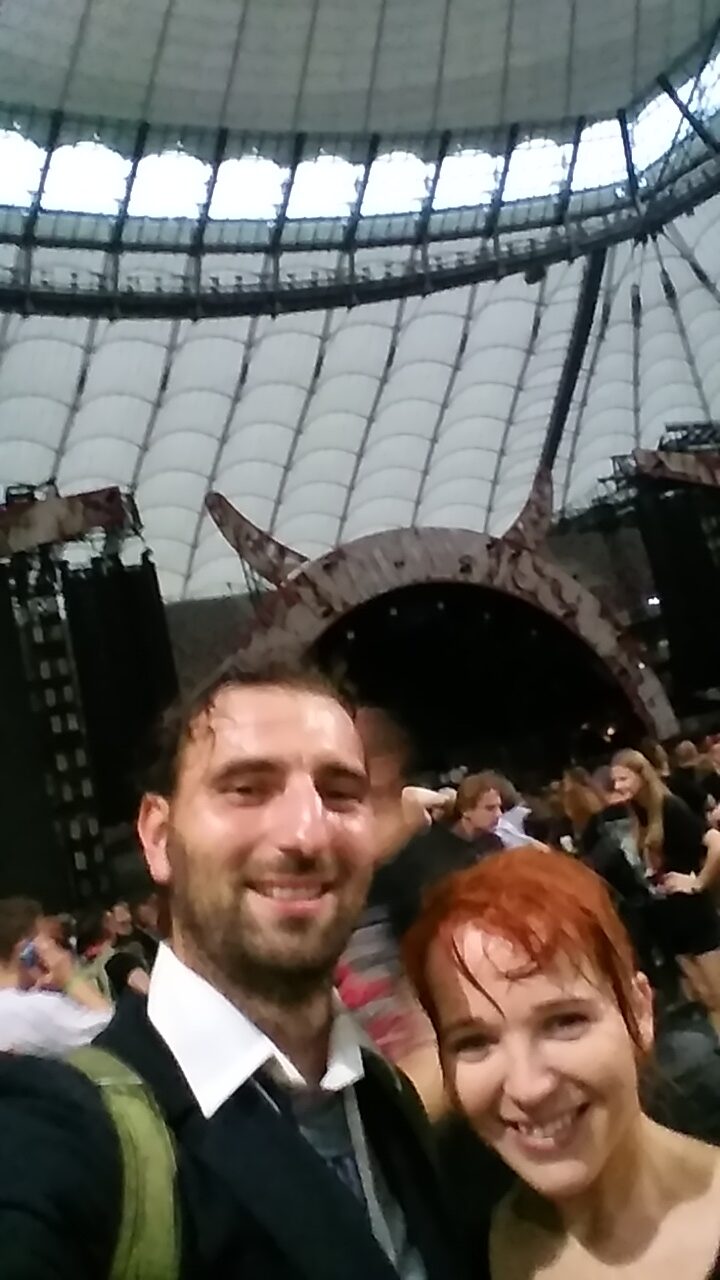
Concerts came along in time. I went to see Budka Suflera in Kamień near Rybnik with my mum. Then Deep Purple at Spodek in December 2003—my first big concert, and I went alone. I saw AC/DC twice: in May 2010 at Bemowo and in July 2015 at the National Stadium, with Ela.
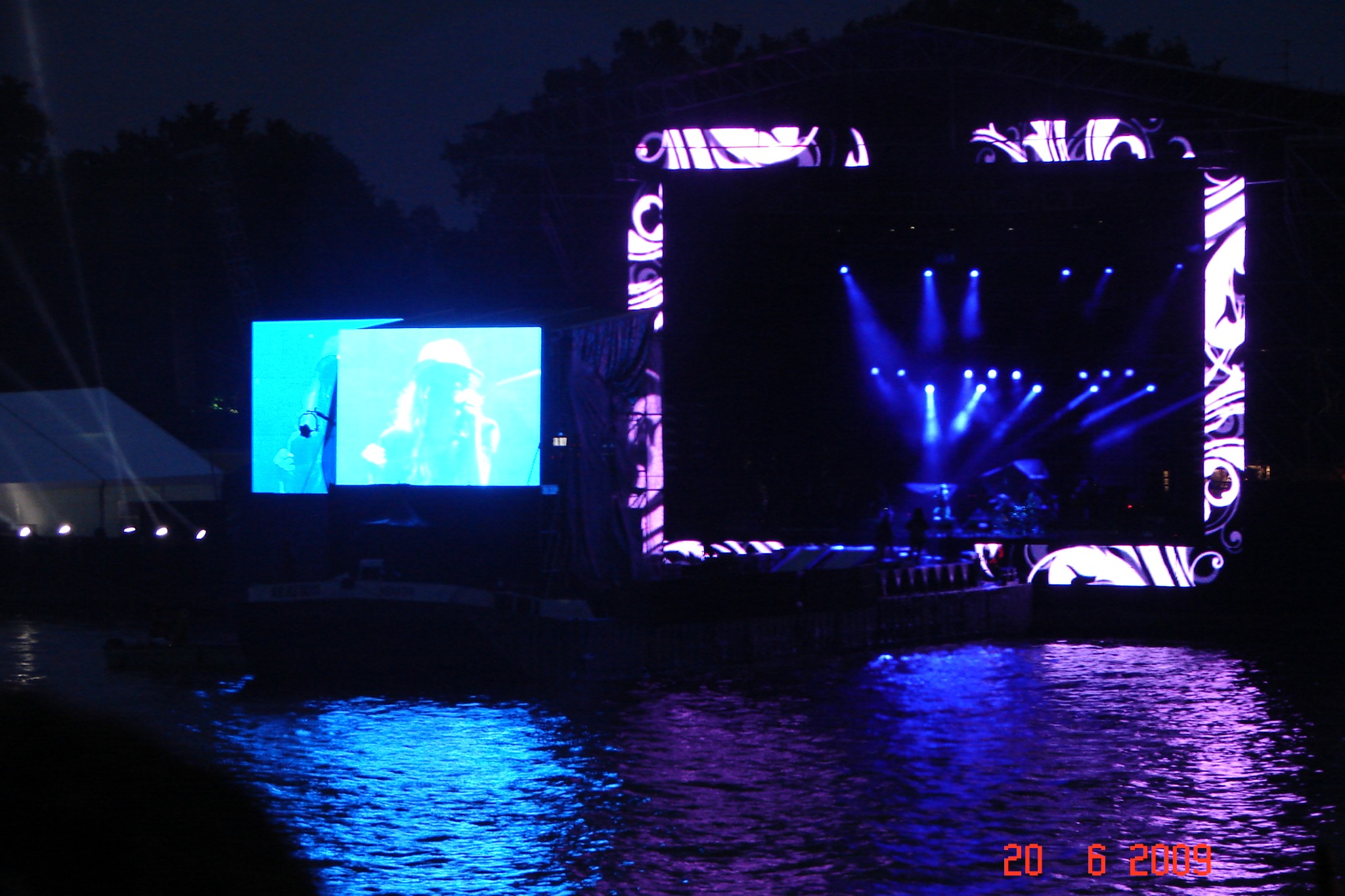
To me, AC/DC is the best band still playing, second only to Queen. Those shows, along with my first Deep Purple concert, are among the most important I’ve been to. There was also Kravitz on a floating stage beneath Wawel, Budgie in a club in Wrocław and many others. I have photos from those shows. Some aren’t great quality, but they’re my keepsakes.
These days I mostly listen to rock on the radio, on the way to and from work. At home, with a small child, you have to keep quiet—and rock played quietly makes no sense.
More than thirty years have passed since those VHS tapes. I don’t look for some grand philosophy in it. I just like rock.
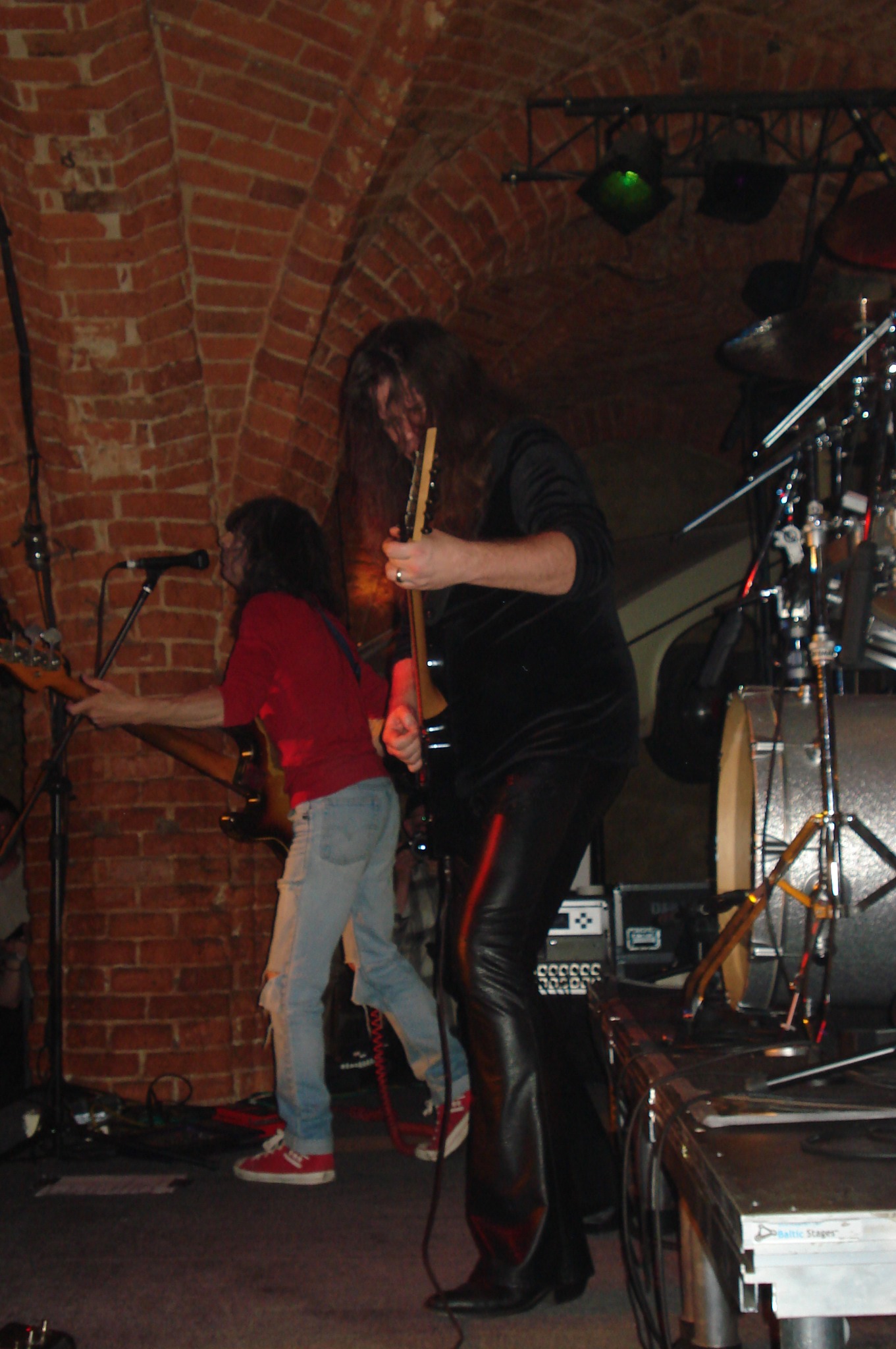
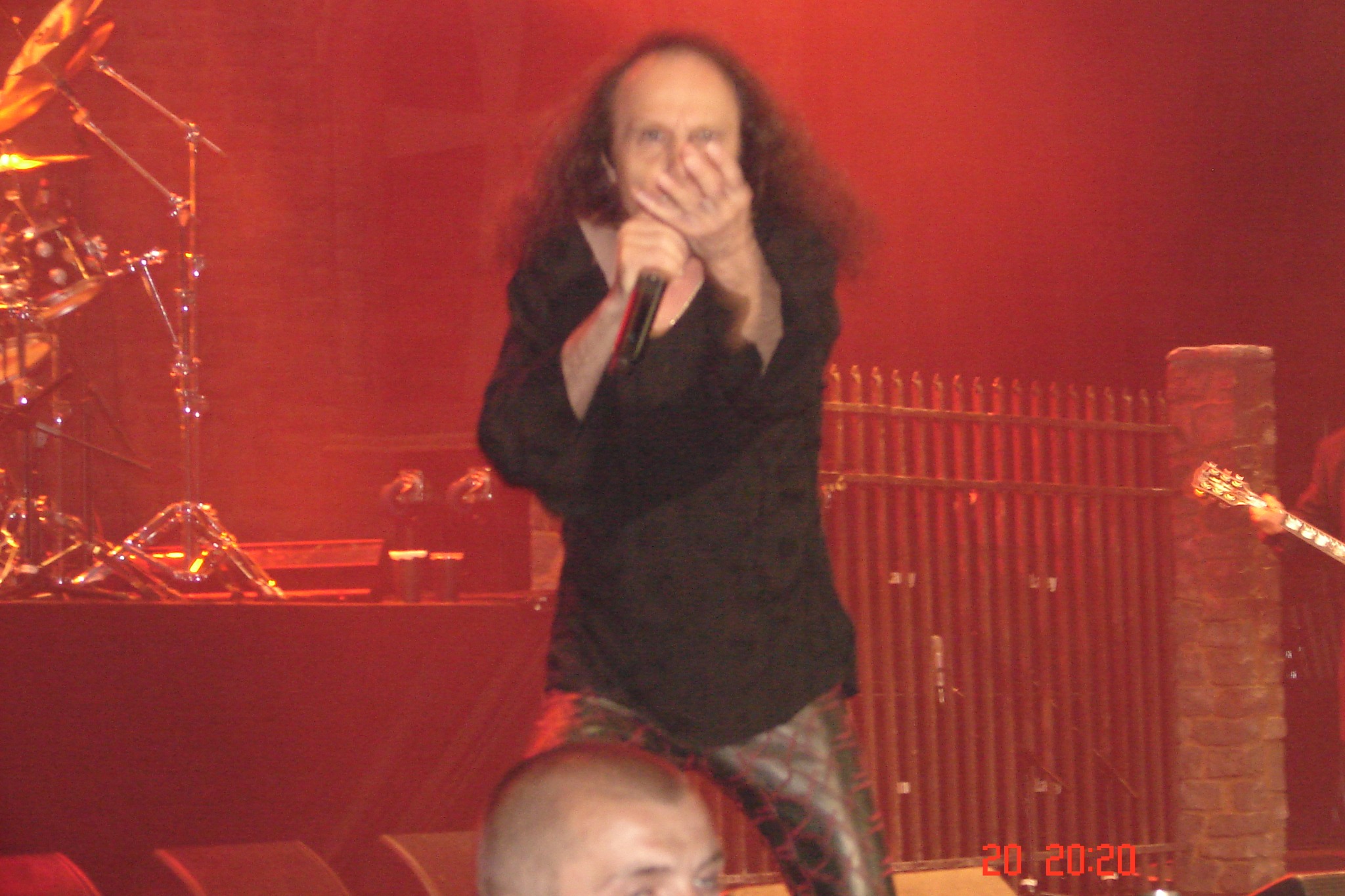
And it stayed with me. 🤘
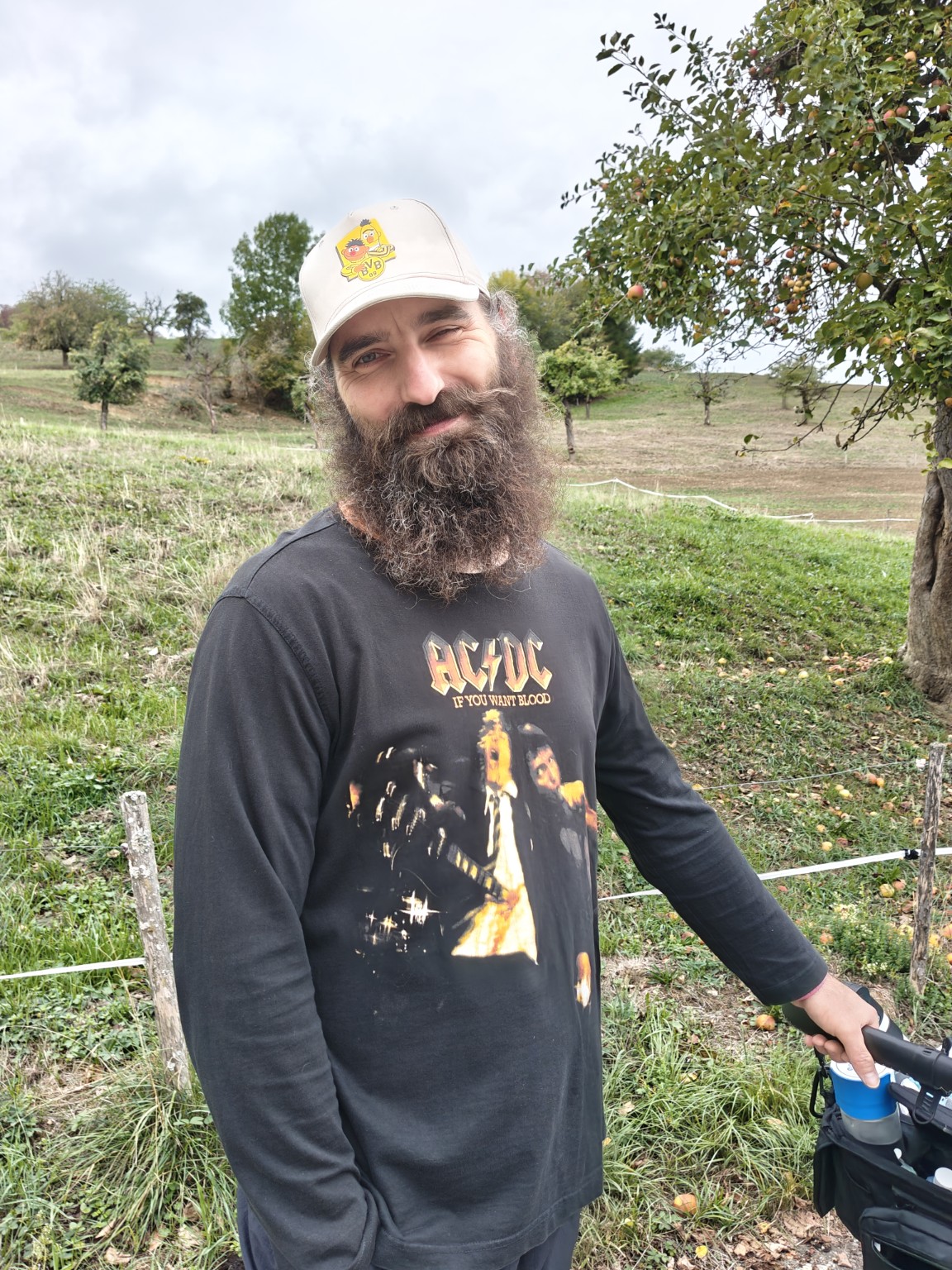
I once felt like I ruled the world. Today I see success differently.
On a kind of success that came to mean something different over time.
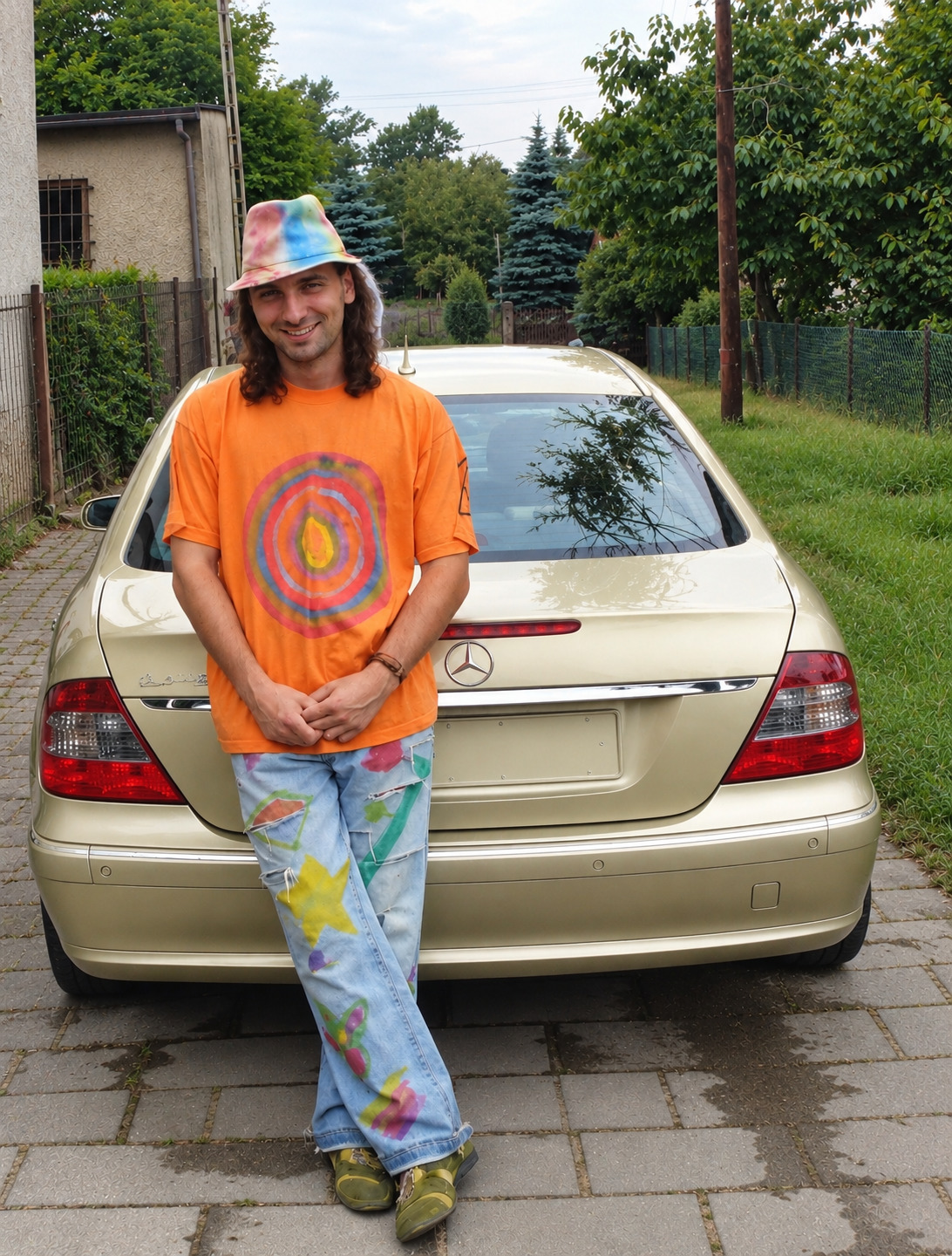
When I was in my twenties, I didn’t spend much time thinking about what success meant. I thought I knew. I ran a company, we had contracts worth millions of złoty, I drove a Mercedes and bought things I liked. Once I spent 18,000 złoty on a computer. I could afford it and I really liked the laptop. I don’t regret buying it; it served me well for about ten years. I liked that life: cars, parties, travel and gadgets. I liked being the boss. My friends and I knew how to have a great time. I felt like I ruled the world. All right, maybe at least the neighbourhood. And I really was happy then.
I won’t pretend that life was bad
It would be easy to retell the story now: money blinded me, cars and parties didn’t make me happy, and only after it was all over did I understand what mattered. But that wouldn’t be true. That period had good things in it. I don’t want to dismiss it just because I know what happened later.
I still like good cars. I’d still like a large, comfortable home designed exactly how I want it. I’d like to travel, buy interesting technology and have a season ticket for Borussia Dortmund. I haven’t stopped wanting money. What changed is how much I’m willing to pay for it.
The problem wasn’t that I wanted to earn a lot
When the company began to struggle, I stopped paying myself first. Later I started using my own savings to pay the employees. Then came more trouble: letters and phone calls from creditors, bailiffs and debt collectors. Low loaders taking machinery away from our sites.
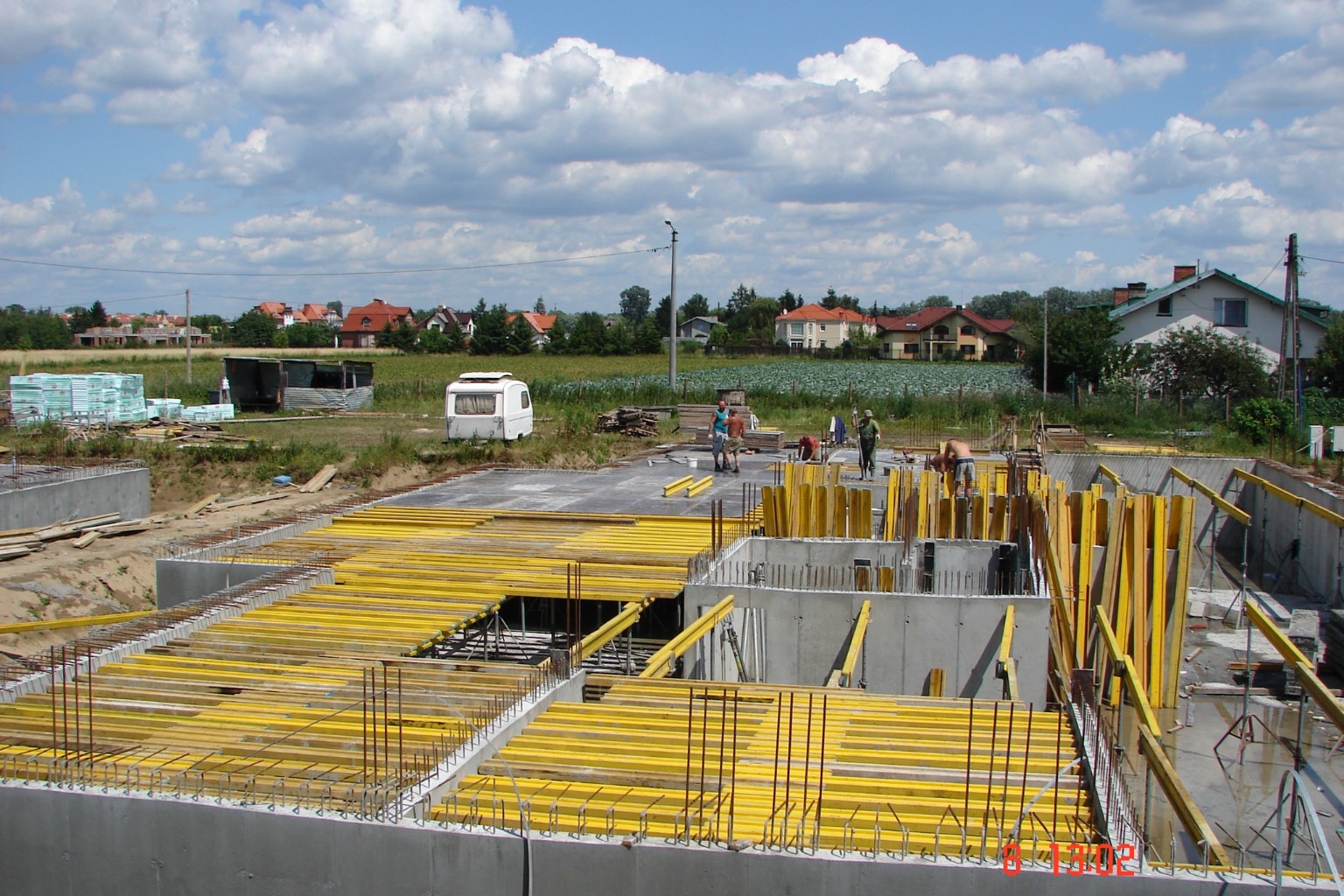
I hadn’t thought much about financial security before. Money was for earning, spending and investing in the company’s further growth. I had no sensible plan for what to do if everything began to fall apart.
If I could talk to my former self today, I wouldn’t tell him to give up his ambition. I’d say: don’t put everything on one card. Even if something works for years, that doesn’t mean it will always work.
Peace of mind began to mean something different
When you have money, you don’t often think about the value of ordinary security: being able to buy groceries, knowing the bills are paid and not having to answer every call wondering what new problem has appeared. Today those things matter a lot to me.
And it isn’t only about money. I have a family and a son. I’m increasingly aware of how much of my life work takes up. I get up early, spend most of the day on a building site, come home and there isn’t much of the day left. Life shouldn’t consist only of work and getting ready for the next workday.
Can less money mean more success?
Today I can imagine earning less than I once did while having more say over my own life. I could have a quiet breakfast with my family. Take the dogs for a walk without checking the time every few minutes. Then work on my own projects. Maybe one day simply not work.
I could have time for my son in the afternoon. If he has training, a performance or something else that matters to him, I could just be there without wondering whether I’ll get time off. Would that be success? To me, it would be a big one.
There’s another side, though. I wouldn’t want plenty of free time while wondering every month whether there’s enough money for all the bills. I’m not looking for a life without money. I’m looking for a life where money provides security and options instead of forcing me to chase it constantly.
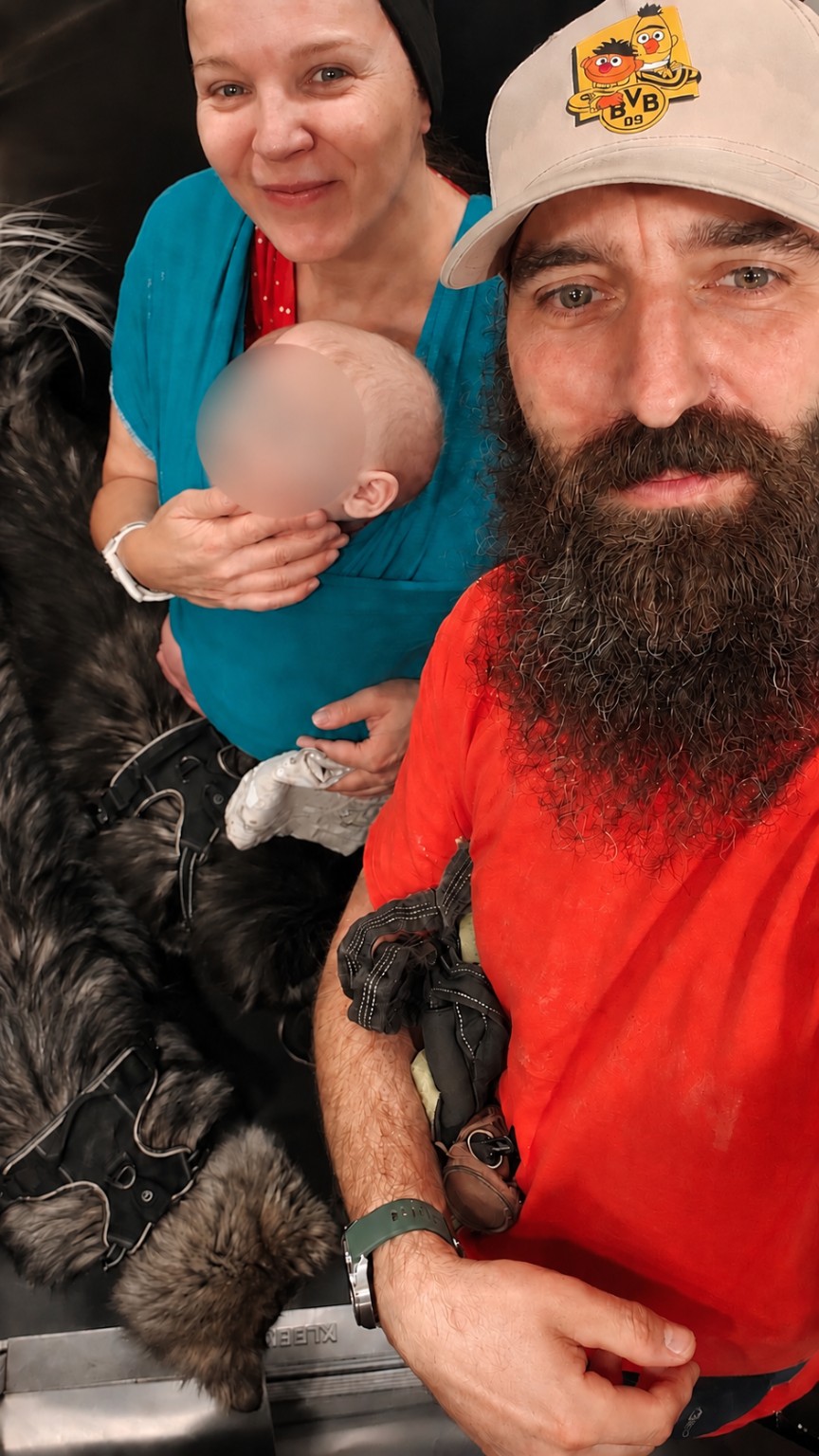
I don’t consider myself successful today
I don’t have that life yet. I still do physical work. Most of my day is still organised around work. I’m still trying to build skills and find ways to change that gradually.
But success today could mean things I might not have noticed twenty years ago: my first client in a new line of work; an eight-hour day instead of ten; a car that better fits our family; regular time with people close to me; or being able to take a day off when I really need one.
That doesn’t mean I’m giving up on bigger dreams. I just don’t want to pursue them at any cost anymore. I once believed I knew what success was. I’m no longer so sure. But I’m getting a clearer idea of how I want to live. That’s one reason I’m building again.