Manchester City. Trophies can be taken away. History can’t.
The honest player isn’t a sucker. They’re the one who was wronged. The sucker is the cheat.
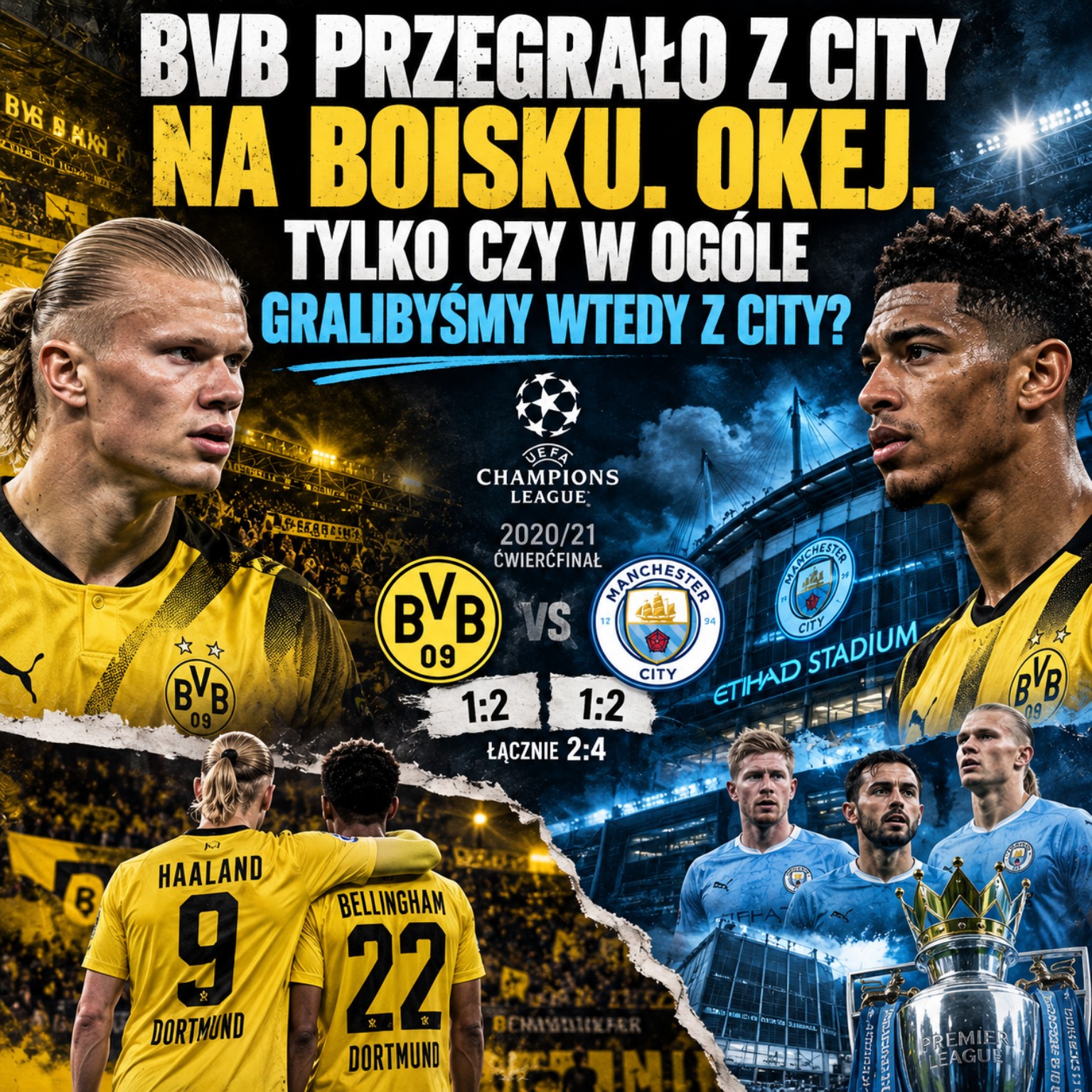
Borussia Dortmund lost 4–2 on aggregate to Manchester City in the 2021 Champions League quarter-final. City won both matches and went through. That is a fact. I’m not claiming BVB should have reached the semi-final. I don’t know that. I’m asking: which Manchester City should Borussia have faced if everyone had followed the rules?
Much of this piece is a question without an answer. None of my “what ifs” can be tested. No one gets to live this story a second time. That is exactly my point.
The honest player isn’t a sucker
Cheating in sport has always made me angry. On the playground I’d boil over if someone cheated. At the same time, it motivated me: if you want to play like that, I want to beat you even more—but fairly. I don’t mind losing to a better team or one club having more money. Stadiums, budgets, academies and history differ. But the same rules have to apply to everyone, not only to those who can’t find a way around them.
What the commission found
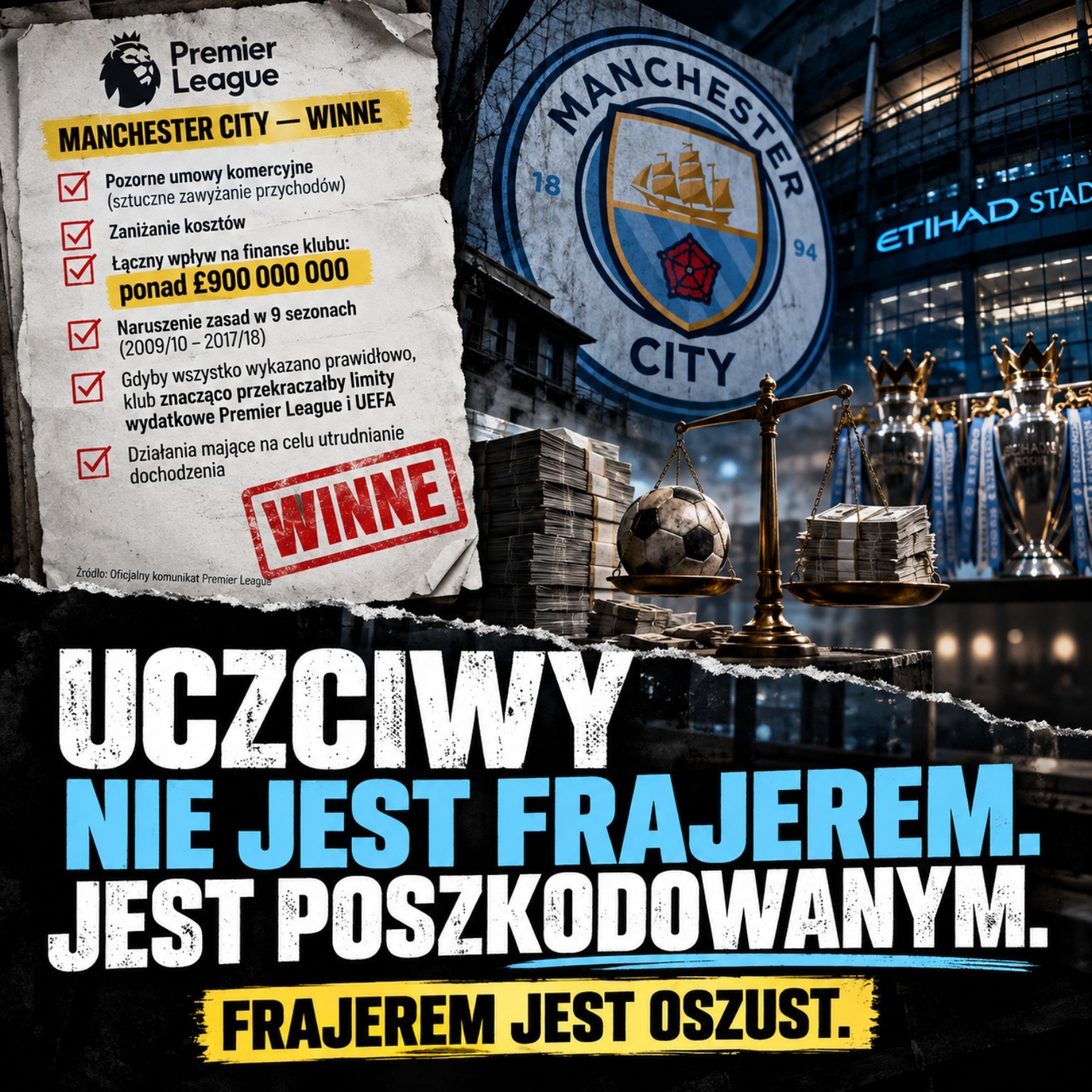
At the end of September 2026, an independent commission found Manchester City guilty of all charges relating to serious breaches of Premier League financial rules and most charges relating to failure to cooperate. Media reports described the result as 114 out of 115 charges. The period covered nine seasons, from 2009/10 to 2017/18.
The commission found that City used sham sponsorship agreements to artificially inflate revenue and reduce costs, and significantly exceeded Premier League and UEFA spending limits. The published summary said the scale of inflated revenue and reduced costs exceeded £900 million. City appealed. The findings remain serious.
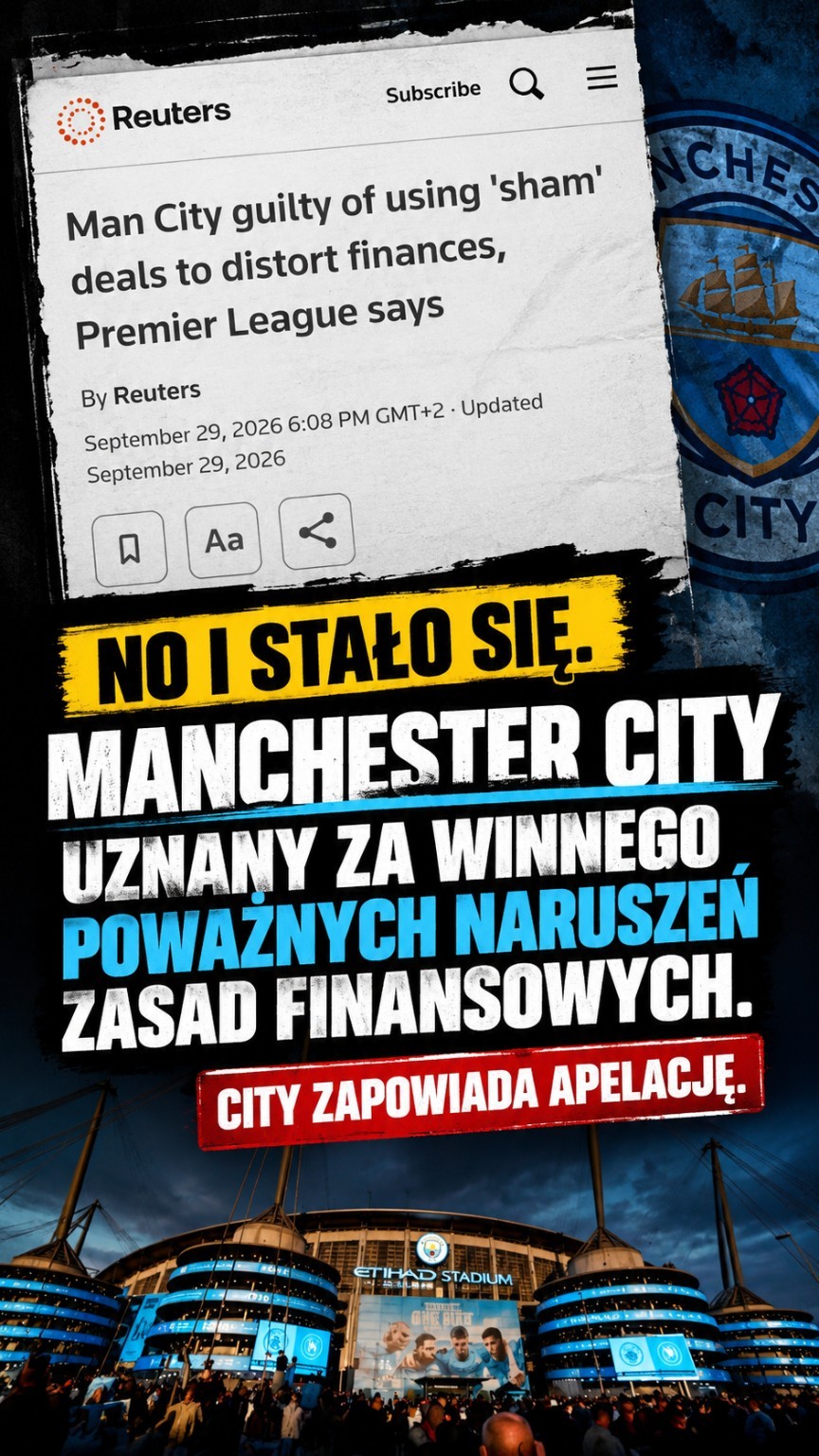
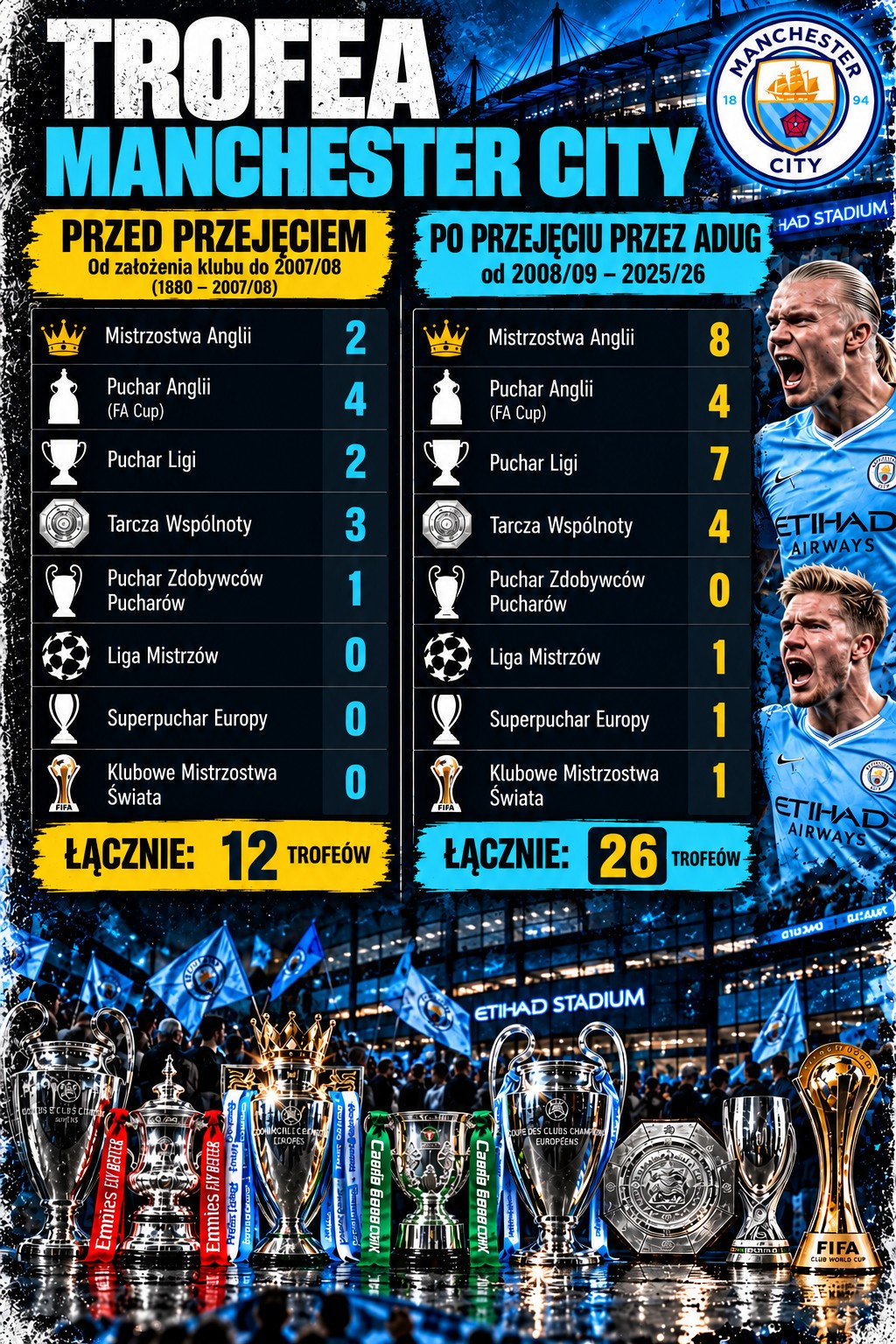
In my opinion, City cheated from the first day after the takeover. That is my opinion, not a finding by the commission. The charges covered nine seasons, and serious breaches on a huge scale were found proven for that period. It’s hard for me to believe a club acting that way for nine years had played cleanly before. But I don’t know, and I can’t prove it. I’m not a lawyer and won’t say what the right punishment is. What matters to me is something no punishment can put right: the scale of the advantage can’t be reconstructed.
“But the players were the ones on the pitch”
There is some truth in that argument. Money doesn’t score goals by itself. You can spend a fortune and still build a team that can’t play together. City did many things very well on the pitch; I’m not taking that away from the players. I don’t know what they knew about the finances, and I don’t blame them for decisions made by the club’s leadership.
But a team isn’t built on match day. It takes years.
A transfer is only the beginning
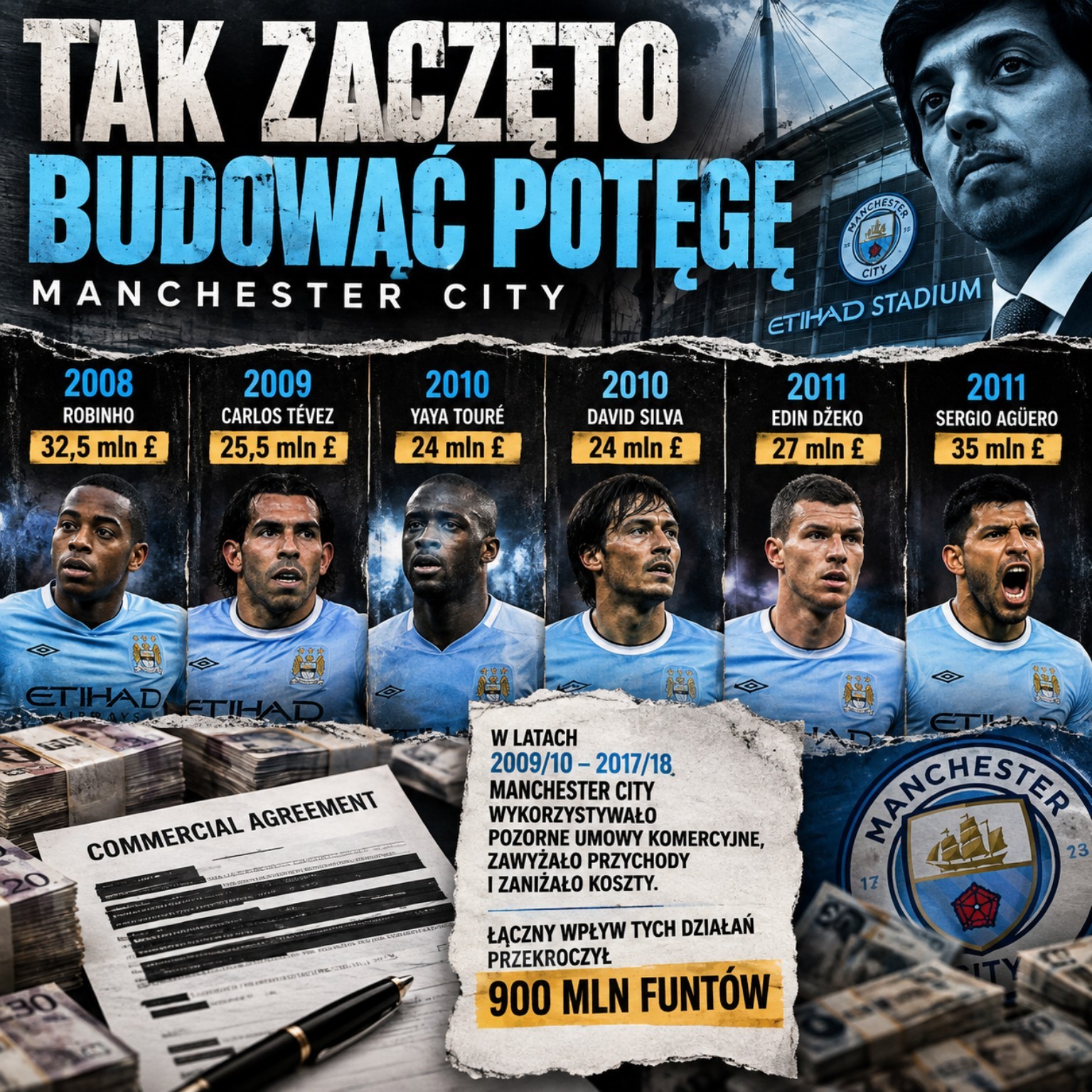
Huge sums of money came to City in 2008, along with major signings: Robinho, Tévez, Yaya Touré, David Silva, Džeko, Agüero and later De Bruyne. At the time, City was still trying to become a club that players of that calibre wanted to join.
A transfer fee is only the beginning. There are wages, more players, the whole squad, coaches, staff, scouting and fitness. To challenge for a title, you need more than eleven good players: a squad that can handle a whole season, injuries, suspensions and matches every three days.
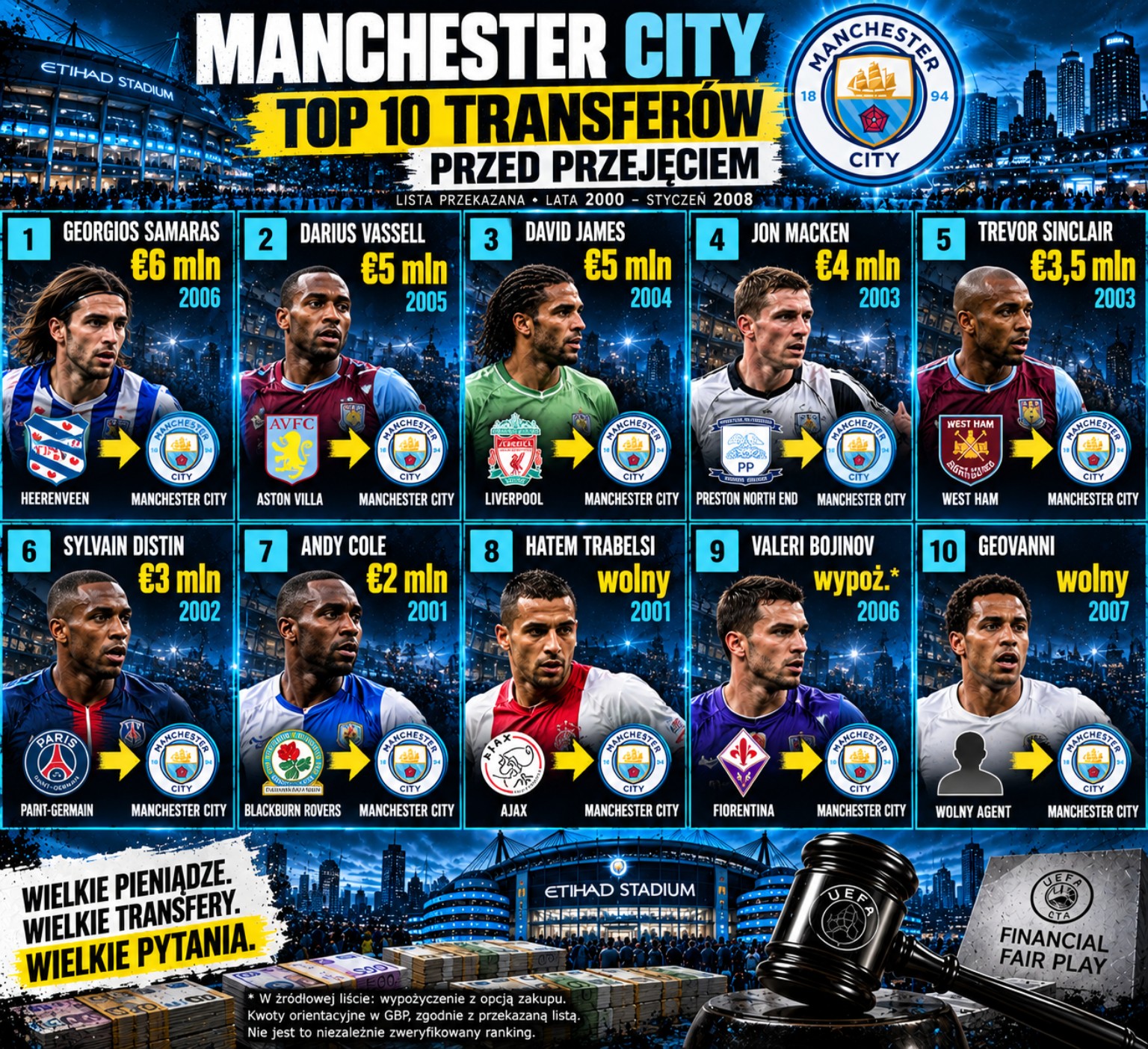
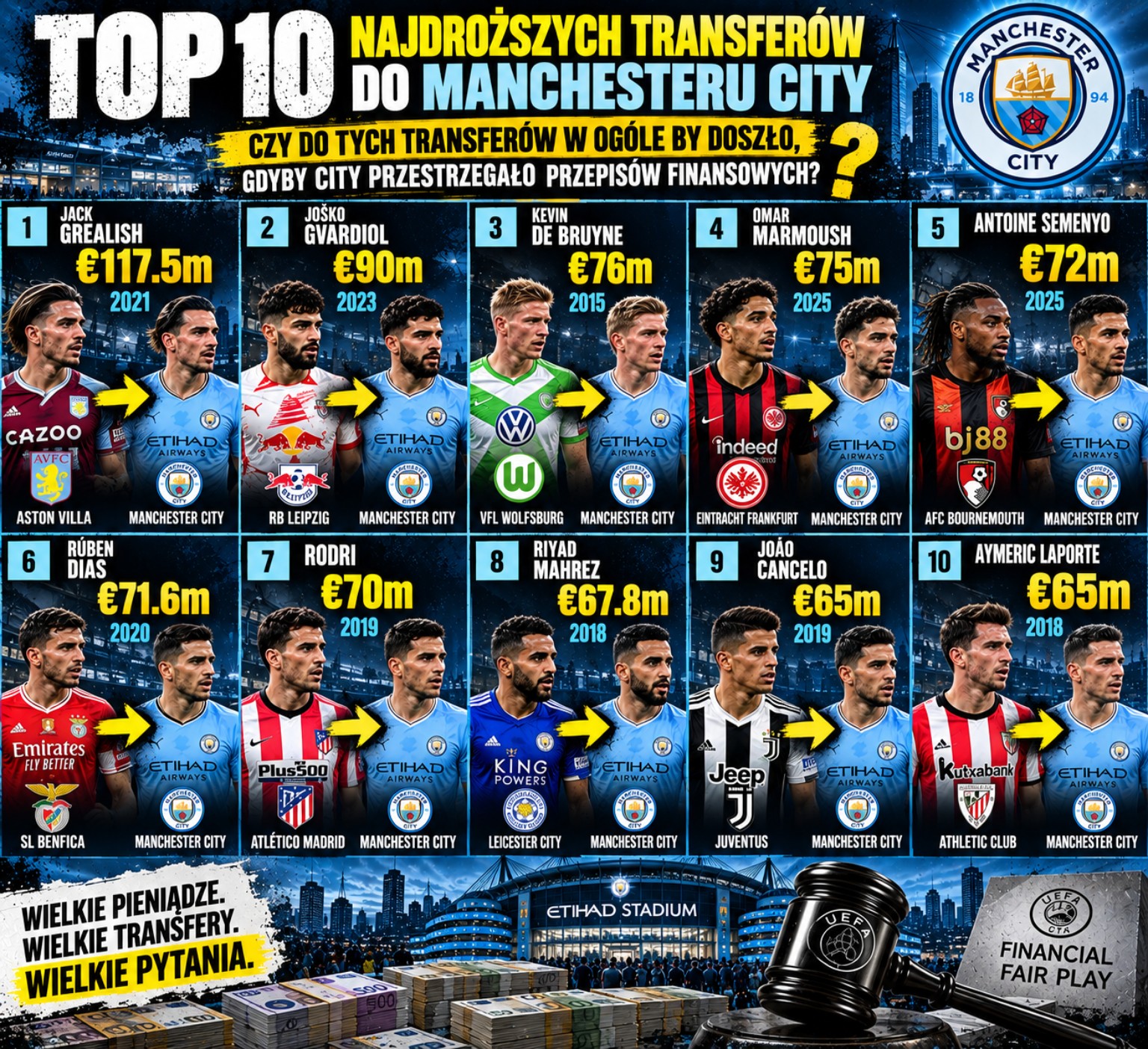
That’s why I’m not only asking whether a player was worth his fee. How many could the club have afforded while following every rule—including wages, further signings and maintaining the squad year after year? I don’t know. But if City could spend more than the rules allowed, it’s fair to ask whether the same players, salaries and squad depth would have been on the pitch.
You can gain an advantage during a match. You can also build one much earlier.
The domino effect
For me, the turning point is the 2011/12 season. City and United finished level on points; goal difference decided the title. In stoppage time Agüero scored against QPR, giving City its first title in 44 years. I’m not taking away the goal or the fans’ joy. It happened.
That first title gave the club more than a trophy: credibility. Players no longer heard “come to a rich club,” but “come to the champions of England,” and later “you can compete for the Champions League here.” Each success strengthened the next: better players, bigger ambitions and new commercial possibilities. The machine began to drive itself.
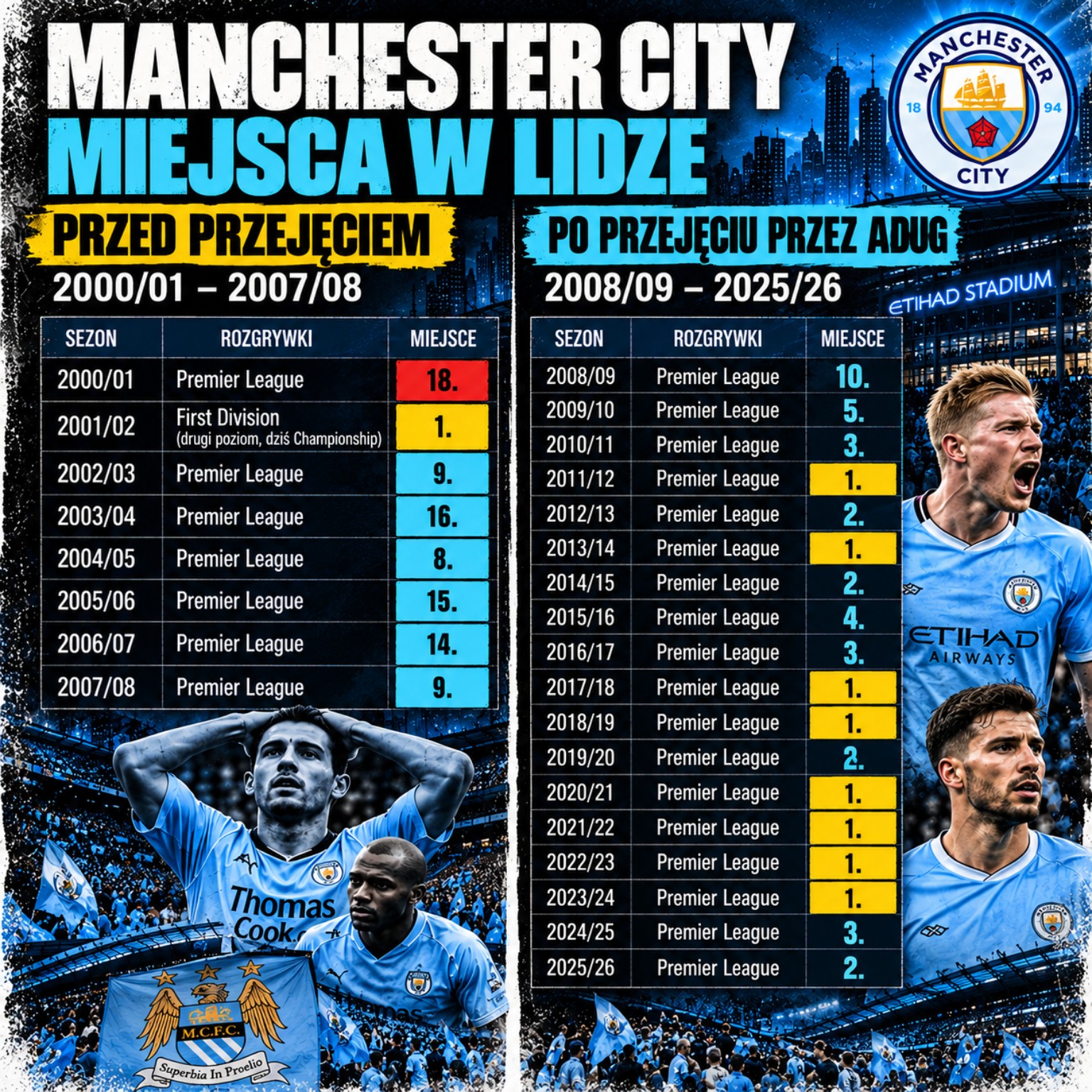
Could City have afforded Agüero and that whole squad if its finances had to look different? Maybe. Maybe it would still have won the title. Maybe not. You can’t remove one figure from the accounts and assume everything else would have unfolded the same way. I’m not claiming later signings such as Rodri, Rúben Dias, Grealish, Haaland and Gvardiol were “caused” by earlier breaches. I’m saying we don’t know how much of City’s position today would have developed in the same way.
And now Borussia
Here I stop looking at it like a commentator. Borussia has been with me since childhood. In 2021 City beat us 2–1 in the first leg and 2–1 in Dortmund. Sportingly, it’s simple: they were better; we lost.
But I don’t know whether, in a version of history where the rules were followed, we would have faced the same City. Qualification, draws, earlier results and the squads built on them all had to come together. So I won’t say City “stole” a semi-final from Borussia. I can’t prove that. BVB lost 4–2 on aggregate—that’s a fact. But perhaps Borussia wouldn’t have faced the same team in a different, fair version of European football.
Gündoğan, Akanji and Haaland went from Dortmund to City. I don’t blame them. A footballer’s career is short, and they choose what they believe is best.
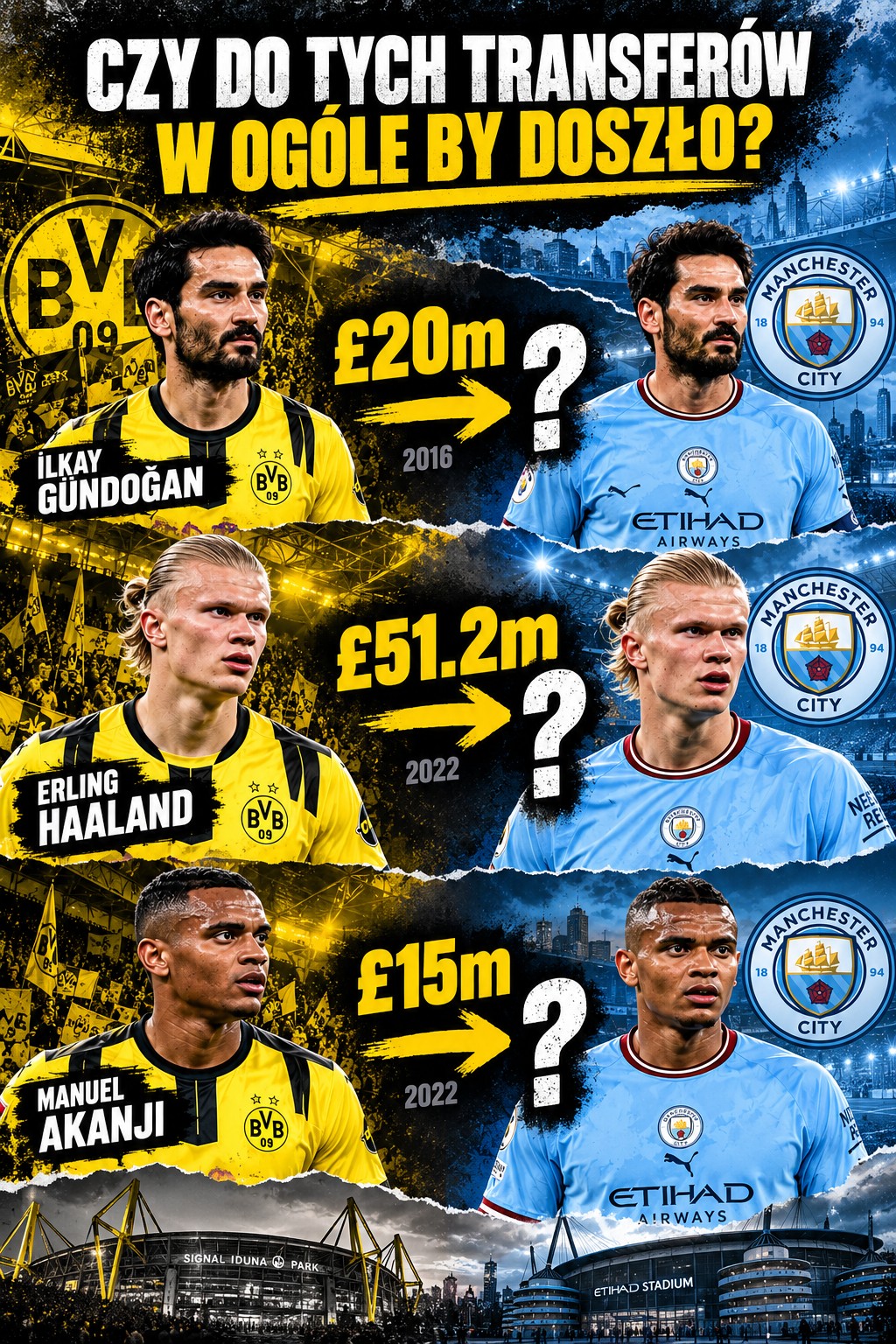
On 6 April 2021, Reus equalised in Manchester in the 84th minute. In the 90th, Foden made it 2–1 from Gündoğan’s assist. A former Borussia player helped beat Borussia. At 1–1 we would have gone to Dortmund with an away goal; the rule still applied then. I don’t know what would have happened. I only know a goal in the 90th minute changed the starting point.
Haaland makes me wonder most. He left in 2022; Bellingham left a year later. What if City hadn’t been able to sign Haaland then? Would he have stayed, gone to Real, or played alongside Bellingham? I don’t know. Maybe he would have left at the same time for another club. The point isn’t that an alternative would have been better for BVB. We can never test it.
And it isn’t only Borussia. Every title has someone who lost it; every qualification means someone else went out.
What if Borussia had done it?
I don’t support City, so it’s easy for me to criticise them. Let’s reverse the situation: what if BVB had gained an advantage by breaking financial rules? Would I defend them? No. I wouldn’t say “everyone bends the rules,” “but the players were on the pitch,” or “they’re only regulations.” A club is more than its current leadership: memories, tradition, stands and matches you’ve watched for years. You don’t erase that in one move. But there are limits that would make me ask myself uncomfortable questions.
I don’t expect City fans to stop loving their club. I only expect them to separate that love from their assessment of decisions made by the leadership. I would expect the same of myself.
Trophies can be taken away. History can’t.
You can deduct points, impose fines, ban transfers, change the table or remove a title from a list. But you can’t replay the final day of 2012. You can’t repeat transfers or draws. You can’t find out whether Borussia would have met City in 2021 or Haaland would have stayed in Dortmund.
I don’t mind that someone is richer or that we have the worse team. I just want to believe that both teams reached a match by following the same rules.
The honest player isn’t a sucker. They’re the one who was wronged. The sucker is the cheat.
BVB lost 4–2 to City. I don’t dispute that. But the question of which City Borussia would have faced under different circumstances remains unanswered. That is the bitterest part: not only an unfair advantage, but knowing we will never learn its scale.
My personal comment as a football and Borussia Dortmund fan. Questions about an alternative course of events are hypotheses, not claims that particular matches, transfers or trophies would have had different winners. As of October 2026.
Sources
Premier League: Independent Commission findings, 29 September 2026 ↗
Premier League: Manchester City files an appeal, 2 October 2026 ↗
UEFA: Manchester City 2–1 Borussia Dortmund, 6 April 2021 ↗
UEFA: Borussia Dortmund 1–2 Manchester City, 14 April 2021 ↗
The Kitchen, Dad and Dragon Ball
Childhood memories, afternoons watching TV with my dad, and the hope that I’ll share that experience with Kuba one day.
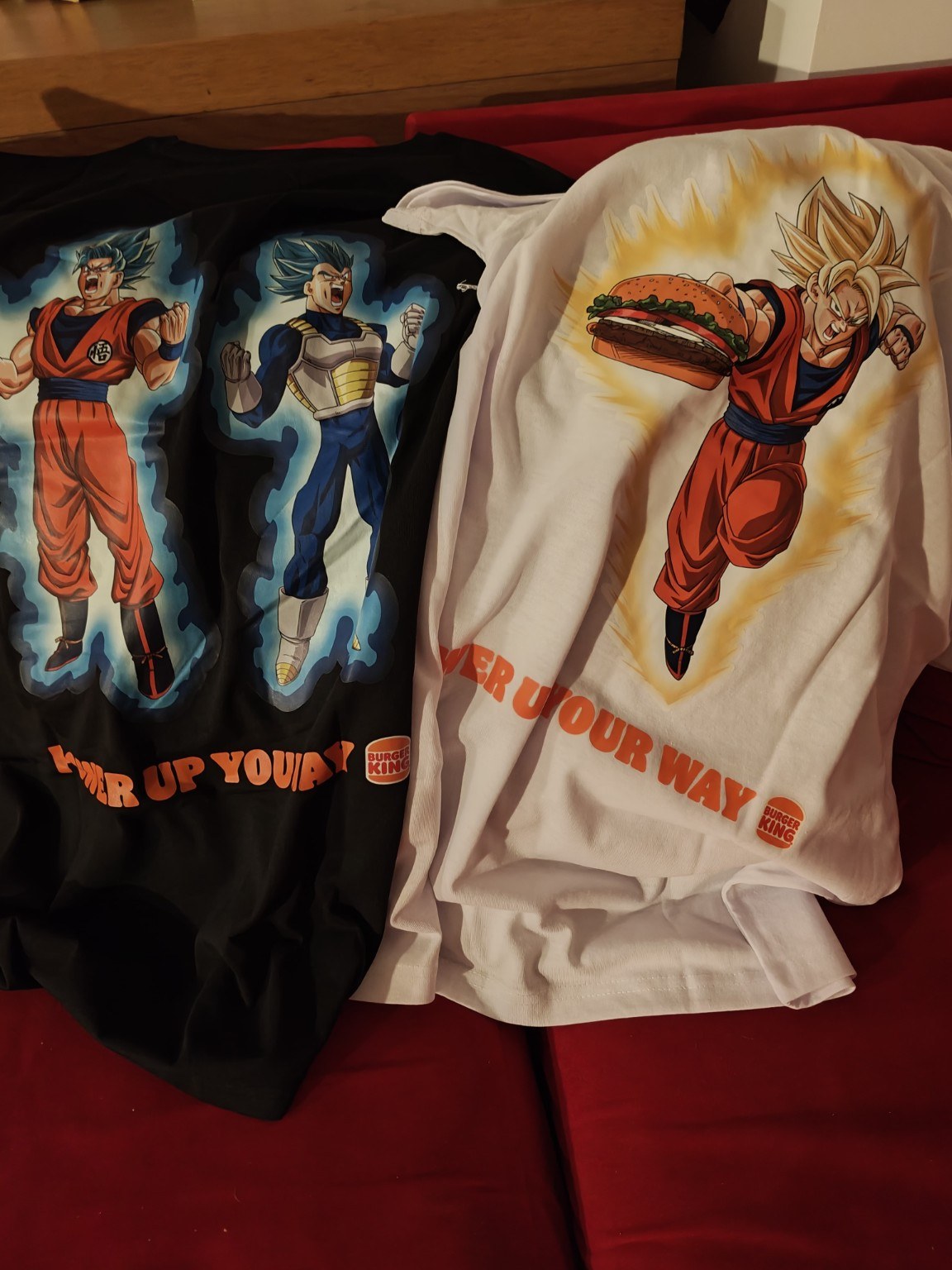
We were coming back from the embassy in Bern, where we had applied for Kuba’s passport. Shortly after joining the motorway, we stopped for lunch. We had KFC in mind, but ended up at Burger King, where they were running a Dragon Ball promotion. I came away with two T-shirts.
To me, it’s more than a promotion. Dragon Ball and Captain Tsubasa were part of our daily routine with Dad after school.
We watched them in the kitchen. In our old house, life revolved around the kitchen: there was no central heating, and Mum cooked on a coal stove. It was the warmest place in the house. A table, a sofa bed, later a couch and a television.
I remember a lot from those series. From Dragon Ball, the fight with Frieza. From Tsubasa, the shooting duel with Kojiro and the pitches so huge that, near the halfway line, the stands seemed to disappear over the horizon. The final three minutes of a match could last an entire twenty-minute episode. I was a child, and watching together made me happy.
When I had a month off after Kuba was born, I watched the entire first season of Tsubasa again. No deep reason—I had the time and felt like it. To me, they’re the best animated series ever made.
Dad is watching some Dragon Ball season on TV again now.
I’d like to watch them with Kuba one day.
More than 30 years with Borussia
Teams, coaches and players have changed. My life has changed too. Borussia stayed.
I don’t remember exactly when I started supporting Borussia Dortmund. I just know it was more than 30 years ago.
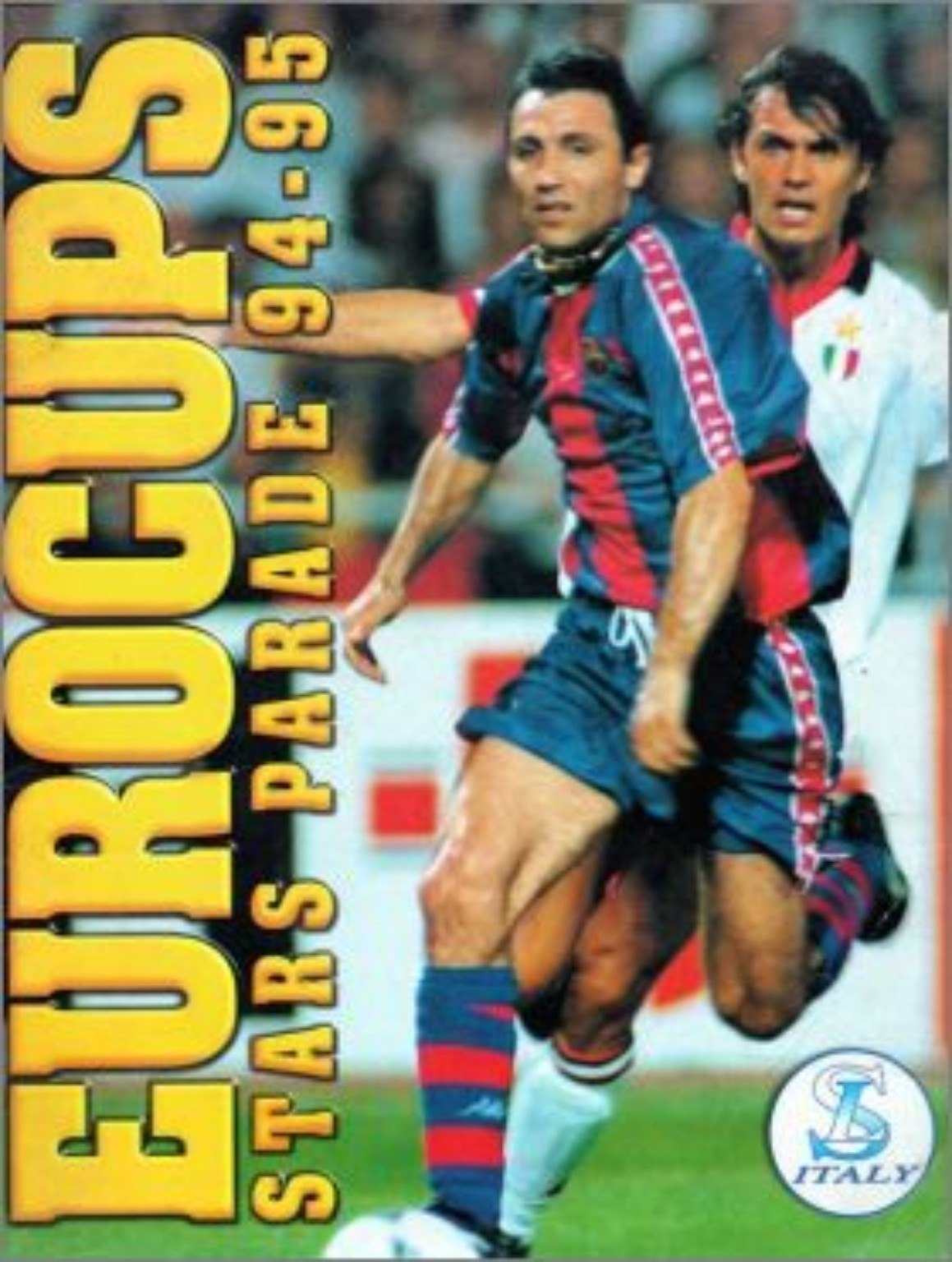
My earliest memory is a football sticker album. It had a blue cover with Stoichkov on it. Borussia was in the album, and even then I said I was backing BVB. I can’t remember the album’s title, only that cover.
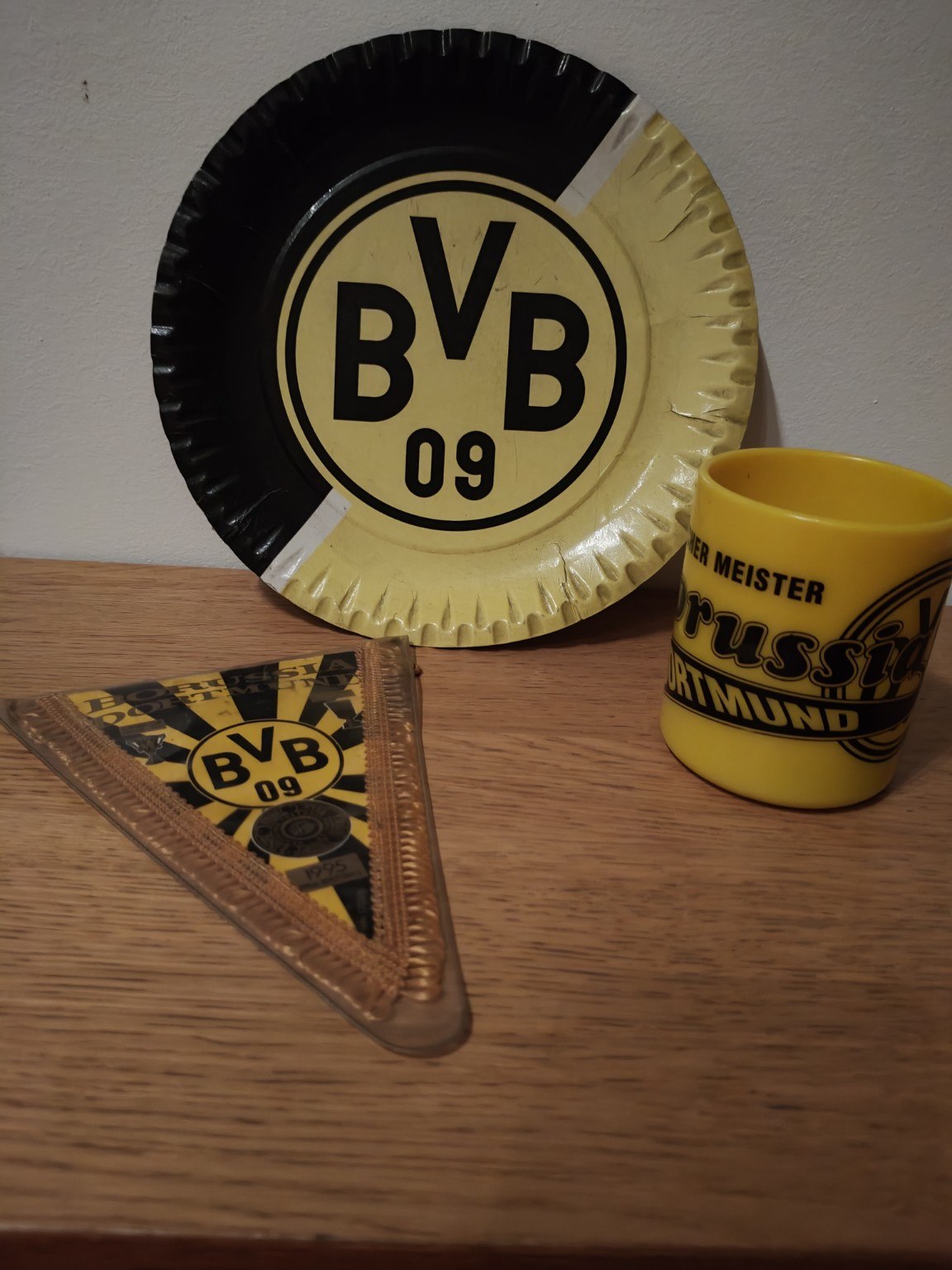
In the summer of 1995 we went on holiday to visit my grandparents in Dortmund. We didn’t go to the stadium; I was a child and nobody wanted to take me. But my grandad bought two sets for my cousin and me in the park: a pennant, a plastic cup and a paper tray. I still have them all.
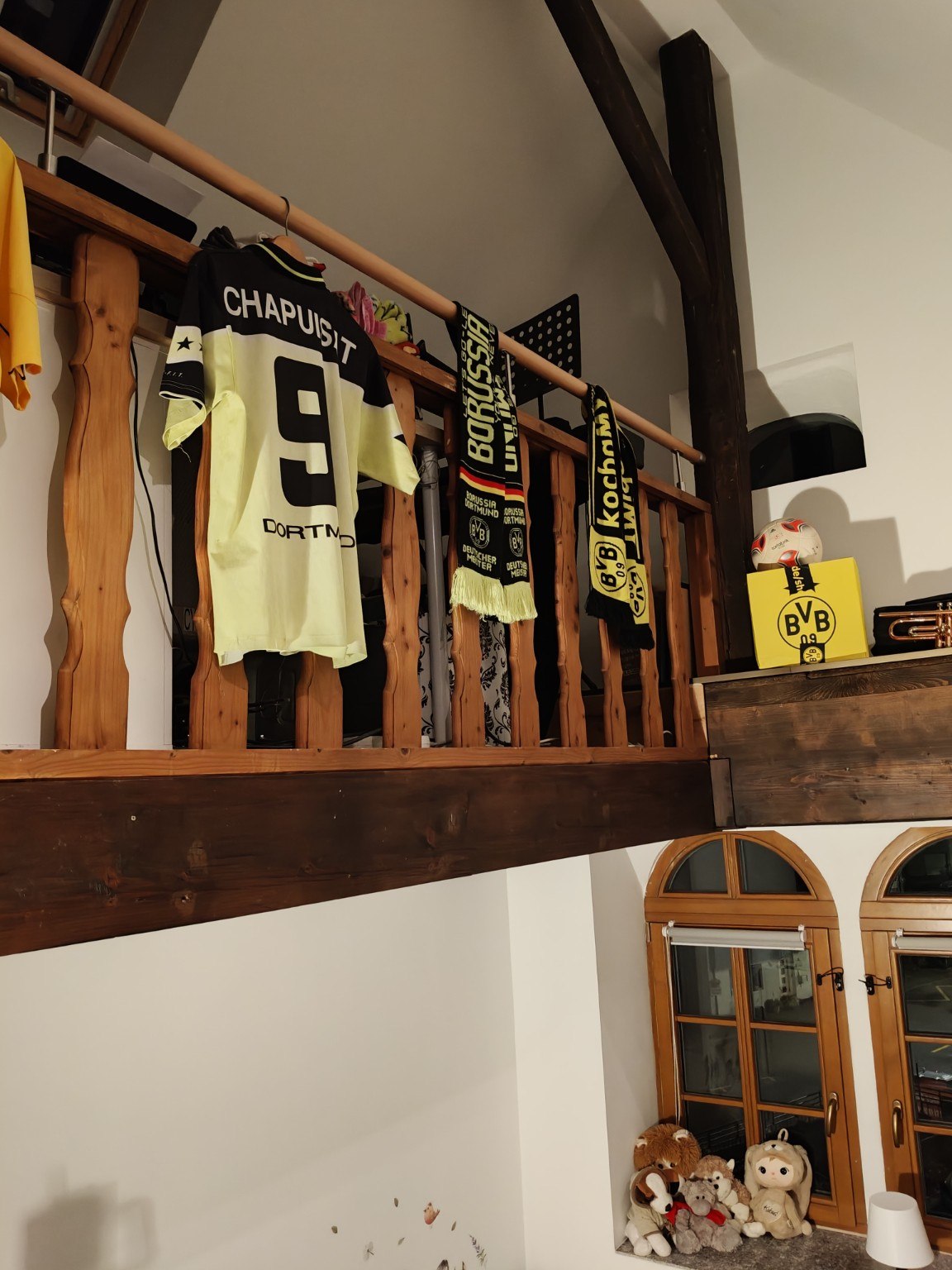
I got the number 9 Chapuisat shirt from my mum for Easter 1997, before the Champions League semi-final against Manchester United, along with a scarf. The first BVB match I really remember was the second leg at Old Trafford. I only saw highlights of the first match. Wearing the shirt, shorts and scarf, I watched Köhler stop Cantona and then watched the final against Juventus. The shirt hangs on the railing beside my scarves now. I doubt I’ll find the shorts.
In 2013, the TV programme “To i Owo” and Eurosport ran a competition. The prize was tickets to three matches, including the Klassiker at Signal Iduna Park. The task was to write why people should watch the Bundesliga and what emotions it brings. I wrote three versions. Only the last one came from the heart: the emotions are enormous and impossible to put into words. I won two tickets and the official match ball.
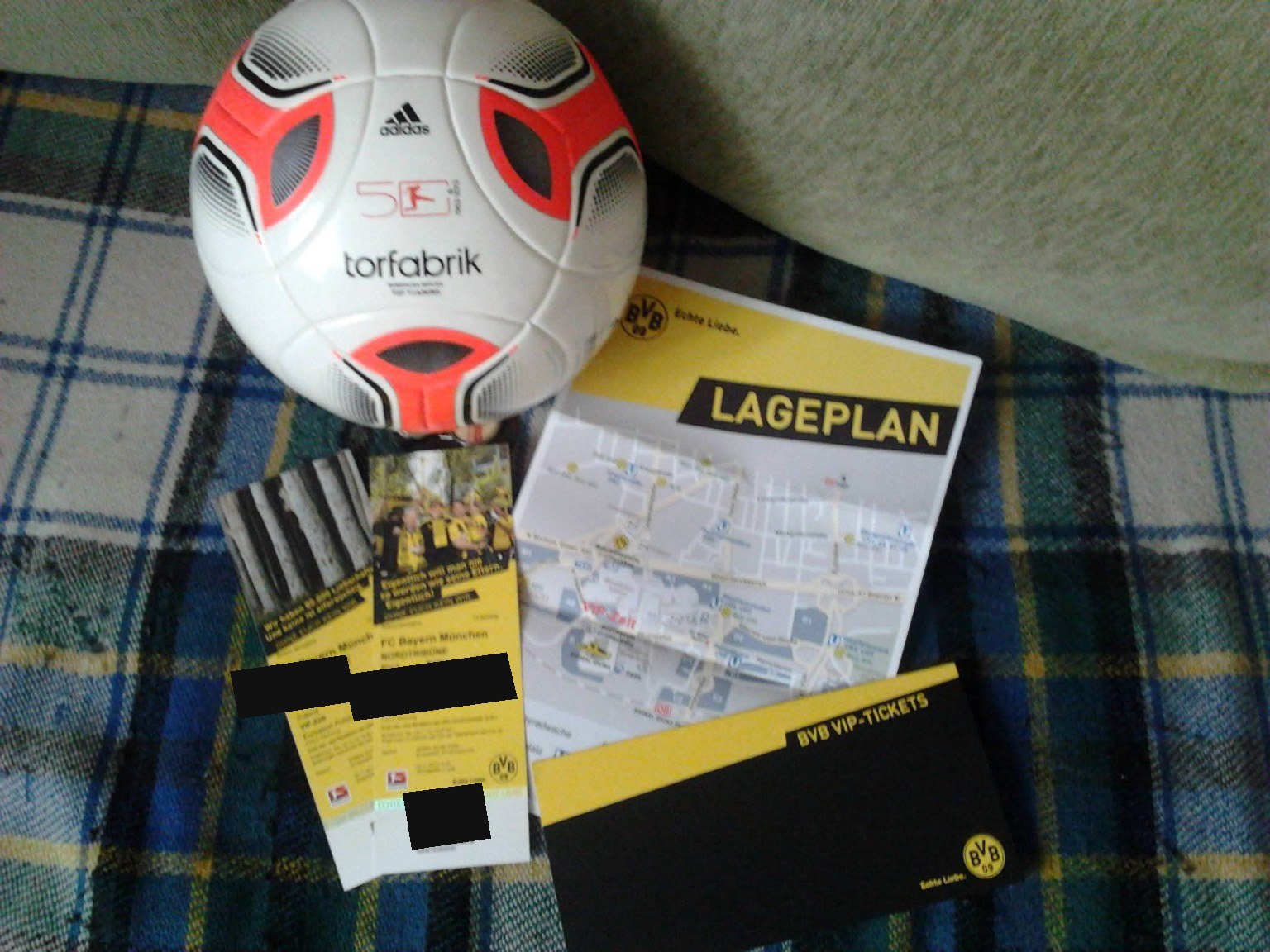
Only when I got to the stadium did I realise the ticket got me into the VIP tent. It was so close to kick-off that the tent was almost empty: hostesses, waiters and bartenders. I sat behind the goal, opposite the Yellow Wall.
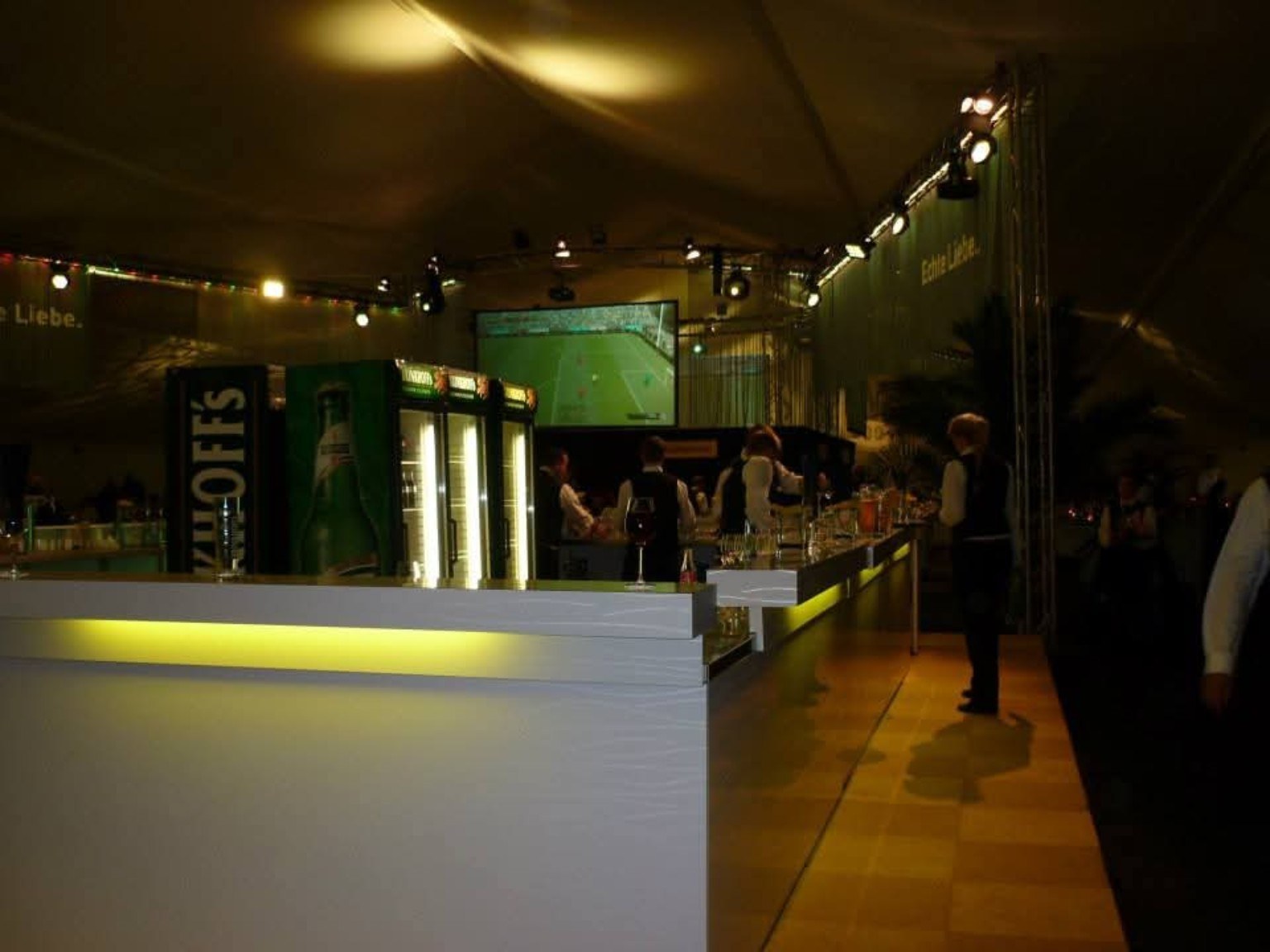
It was the Bayern match on 23 November 2013. Götze was playing against Borussia for the first time. Deafening whistles when he came on, and every time he touched the ball. The same for Neuer, a Schalke academy product. Huge applause when Piszczek ran onto the pitch. We lost 3–0, and Lewandowski missed several chances.
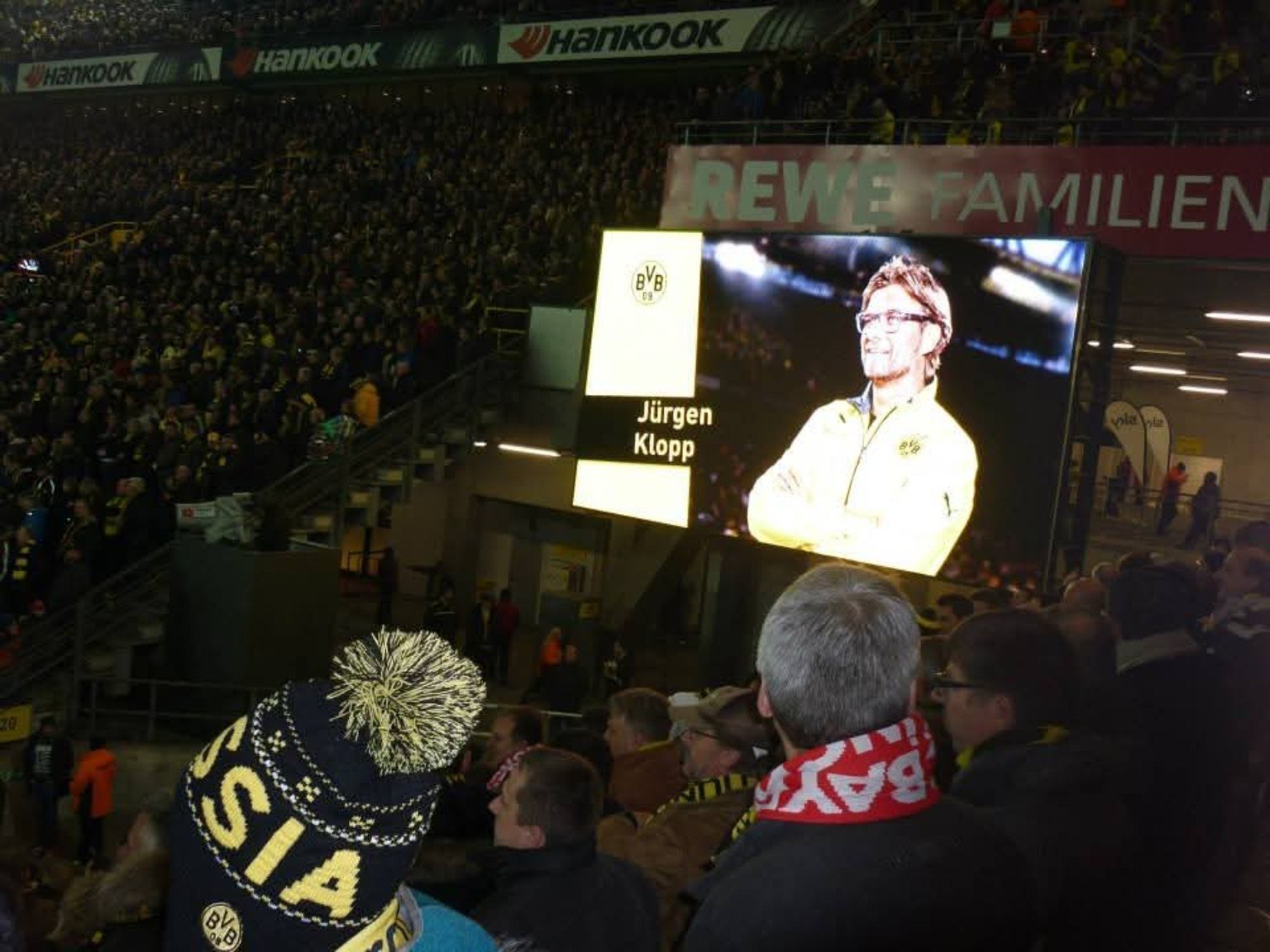
I don’t remember who scored. I’ve only just checked: Götze came off the bench and scored against us. I saw a lot of things differently back then.
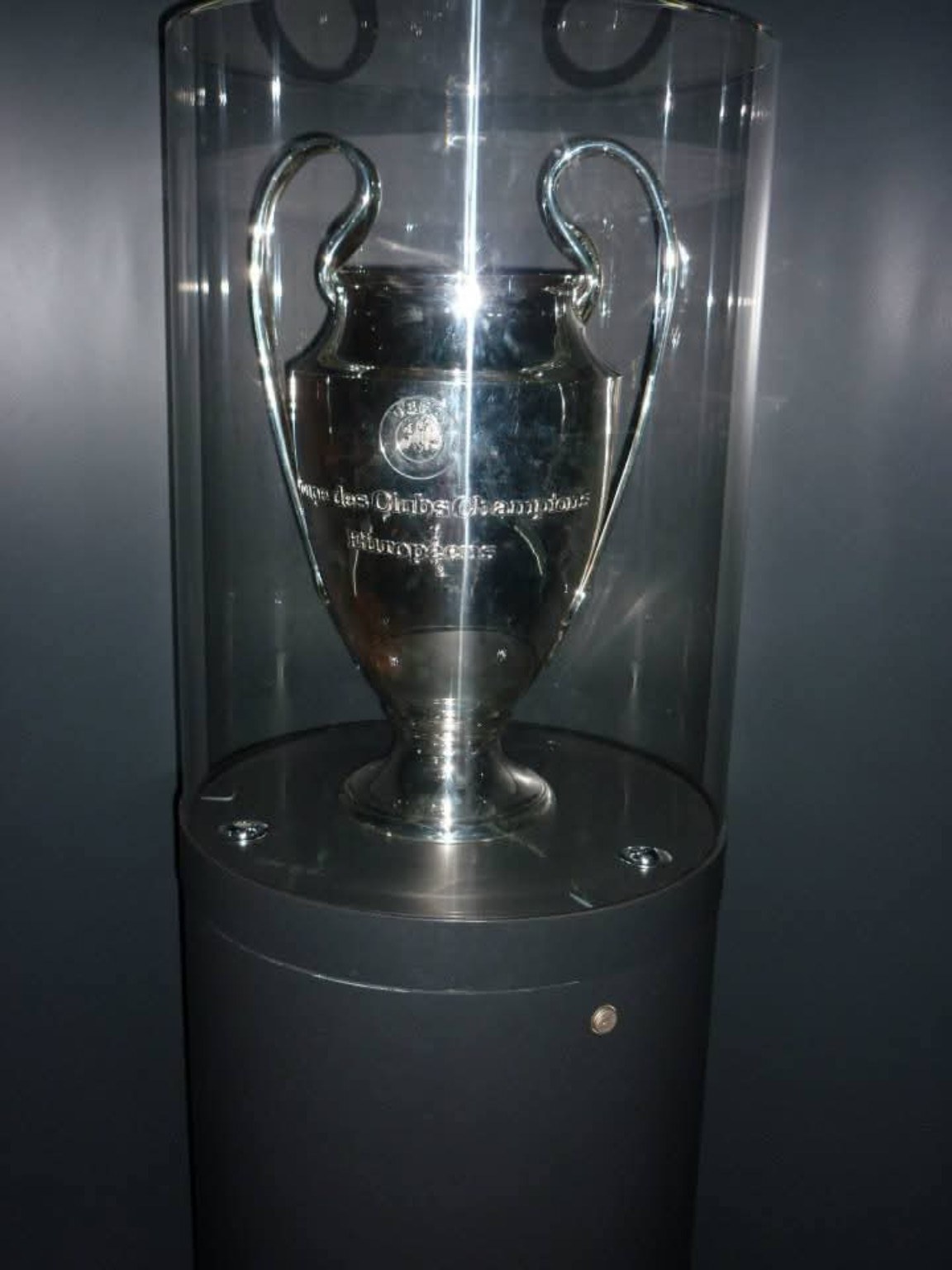
After the match, once I was home, I posted a few photos from the stadium and the BVB museum on Facebook. No order, no captions. I didn’t think it would ever become a story. I was just happy.
There were worse nights too, like the 2–2 draw with Mainz on the final day of the 2022/23 season, after which the title stayed in Munich.
Teams, coaches and players changed. My life changed too.
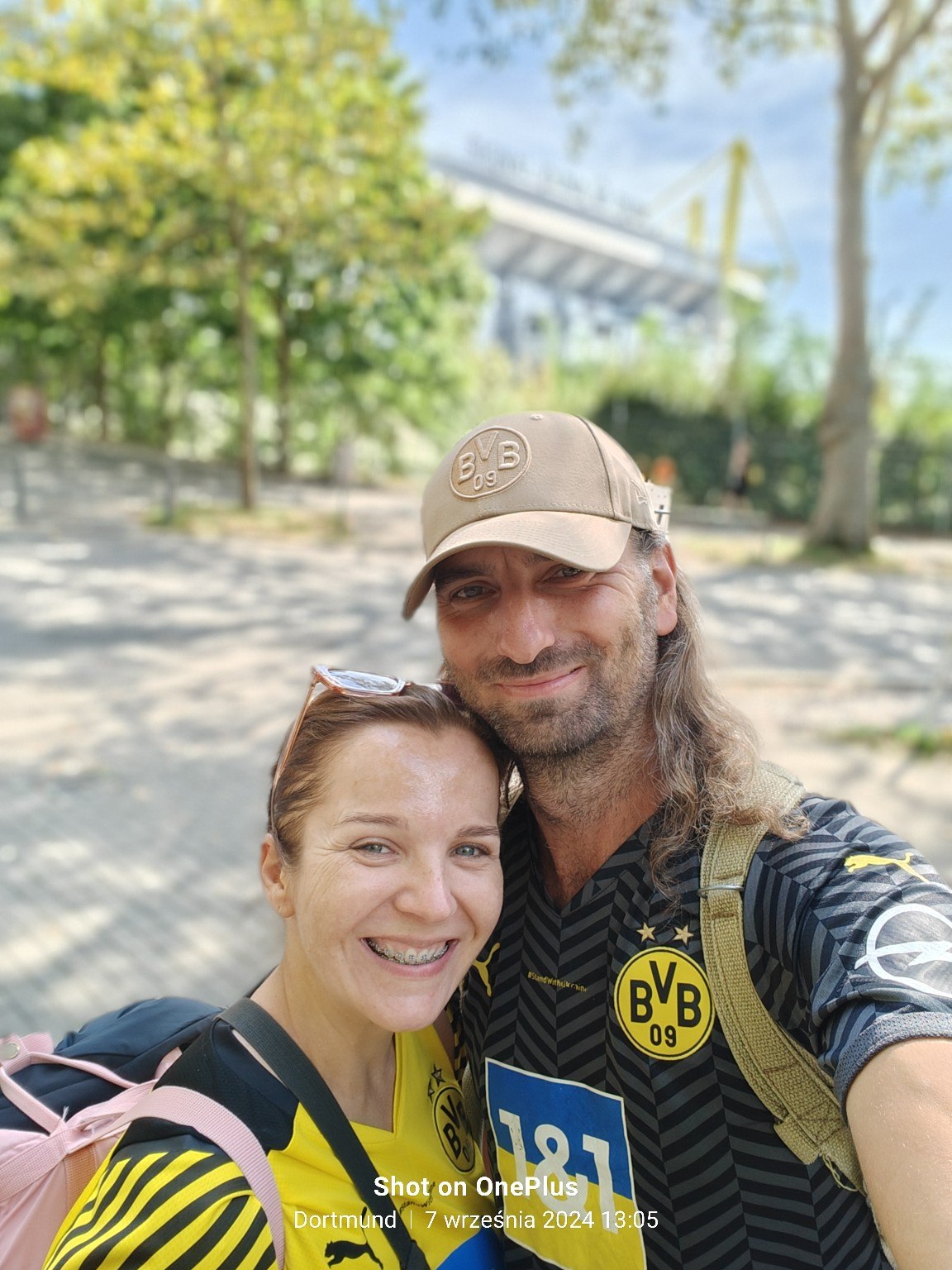
Kuba already has a towel, two cloth nappies, a squeaky plush toy and another one with a light. All from the BVB shop. He’s grown out of the “50% Papa, 50% Mama, 100% BVB” bodysuit, but the education continues. 😄
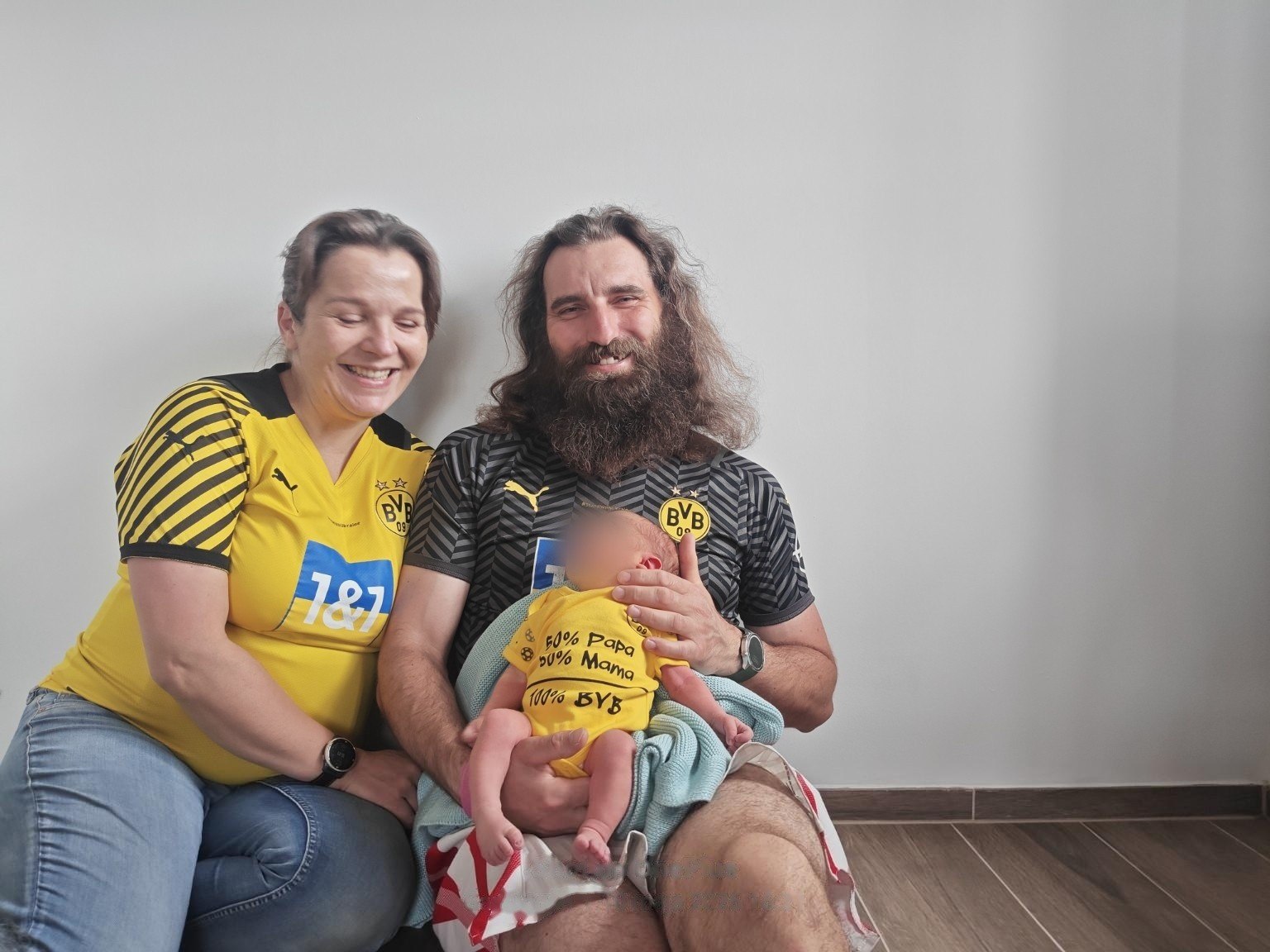
Kevin Großkreutz once joked in an interview that if his son supported Schalke, he’d give him up for adoption. He said it before he had a child. I’m less radical. For now, I stick to the towel, nappies and plush toys.
Almost everything has changed in more than 30 years.
Borussia stayed. 🖤💛
It began with VHS tapes. My story with rock
From recordings off the TV to concerts that have stayed with me for years.
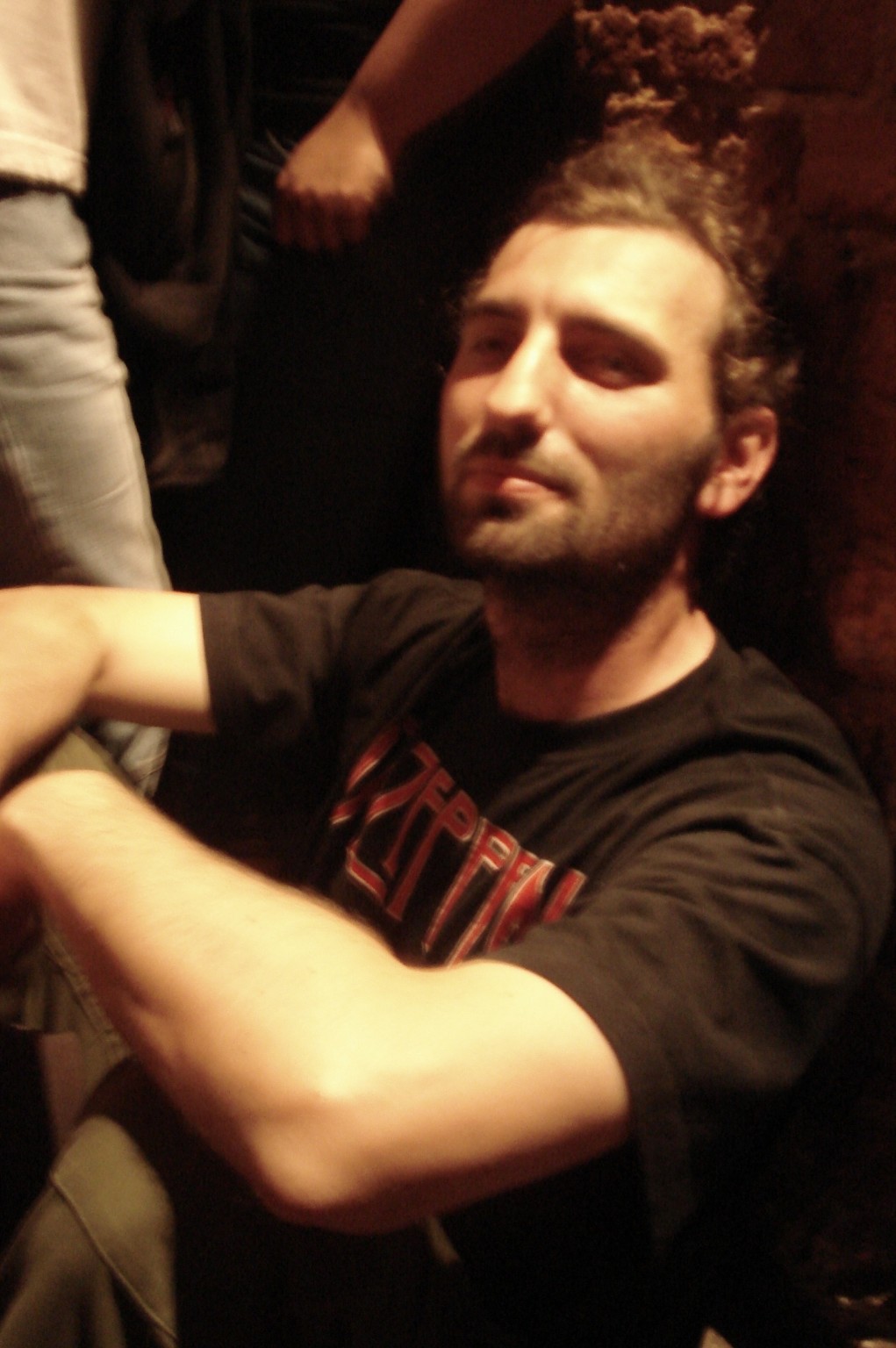
I was seven to nine when two VHS tapes of TV recordings appeared at home. My mum’s cousin had recorded them at her request as a gift for my dad.
I didn’t know any of the bands. I just watched and listened.
One of the first images I remember was a guy with prominent teeth. On the next recordings his hair got shorter, his moustache bigger and his outfits tighter. 😄 The other musicians’ hair got shorter over time too—all except the guitarist, who kept his distinctive hairstyle.
Only later did I learn that the singer was Freddie Mercury, the guitarist was Brian May, and the band was Queen. When I got to know their discography, I realised it had been Greatest Flix.
Right after Queen on the first tape came a Deep Purple concert, opening with Highway Star. I remember green laser letters DP, with a dragon and maybe a snake coming out of them. Perhaps the dragon ate the snake, while the whole image started spinning faster and faster. Ian Gillan wore a vest. I have no idea where it was or what year: an indoor arena or enclosed stadium, probably the second half of the ’80s or early ’90s.
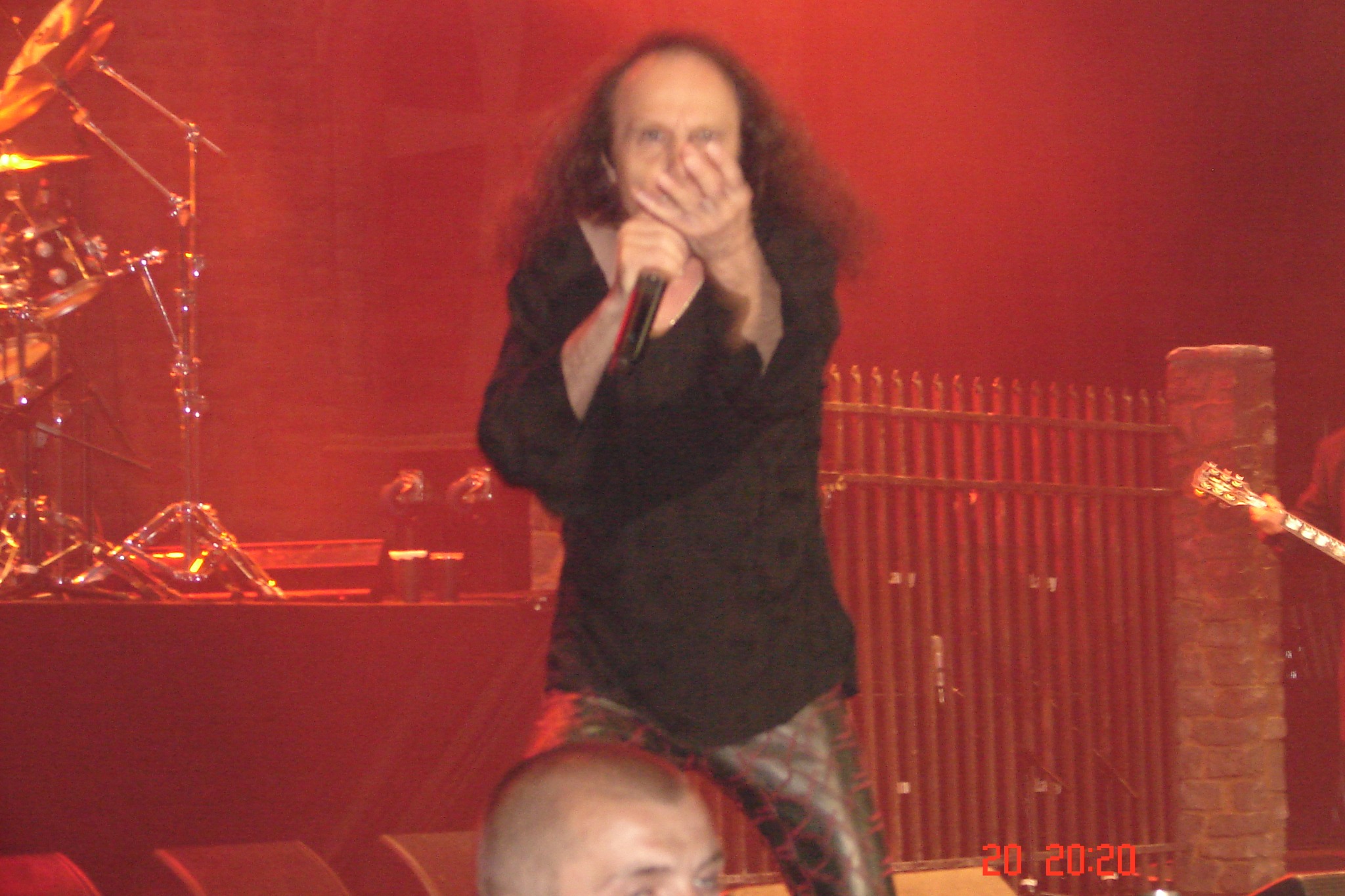
The second tape had another Deep Purple concert outdoors, maybe at a festival. Ritchie Blackmore smashed his guitar during it. There was also Black Sabbath with Dio. Ronnie said that when people make those horns, you know what it means: “Long live rock ’n’ roll.” Van Halen was on one of the tapes too, though I can’t remember which. I remember it as colourful and loud, a completely different kind of show from the others.
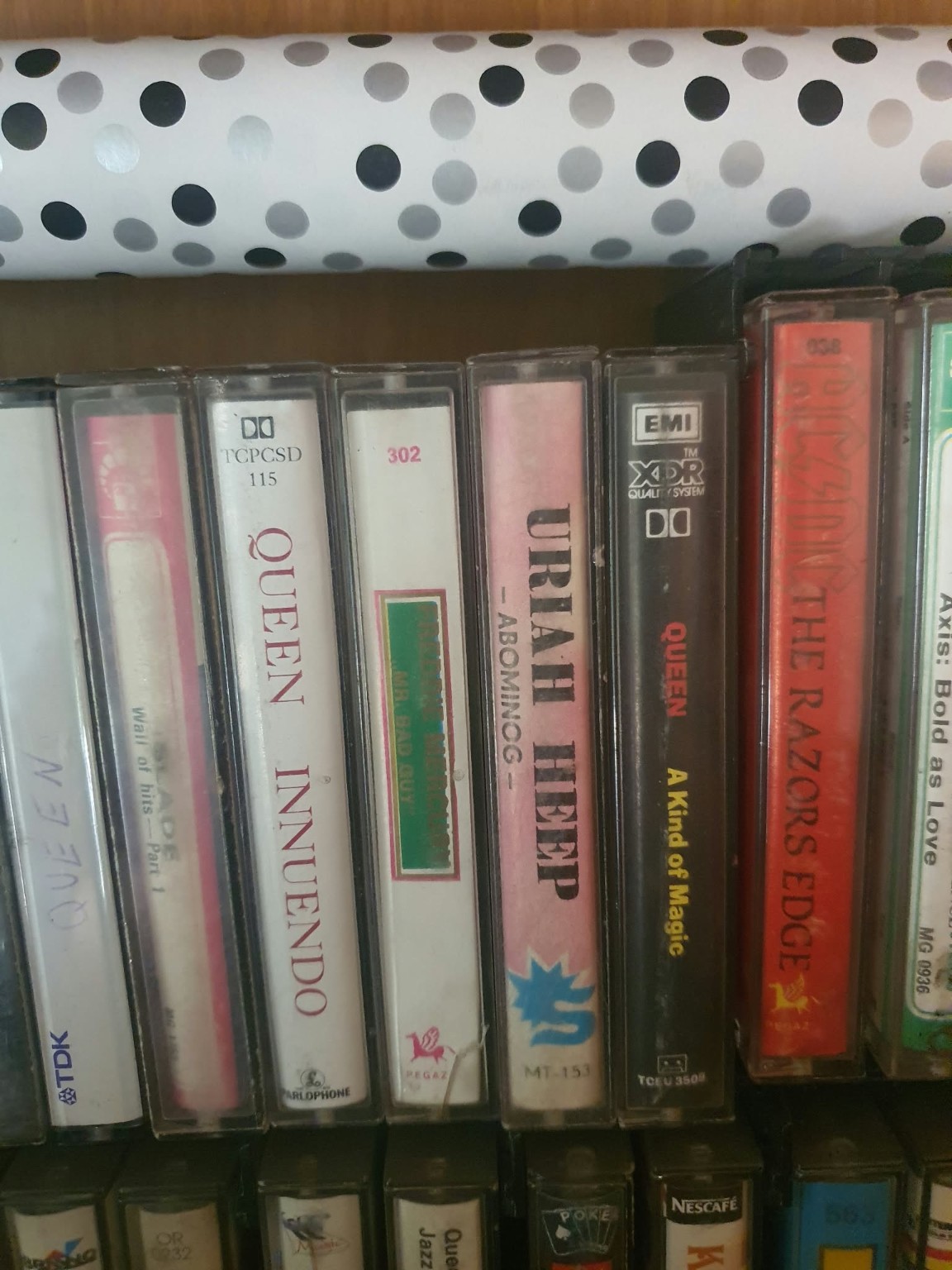
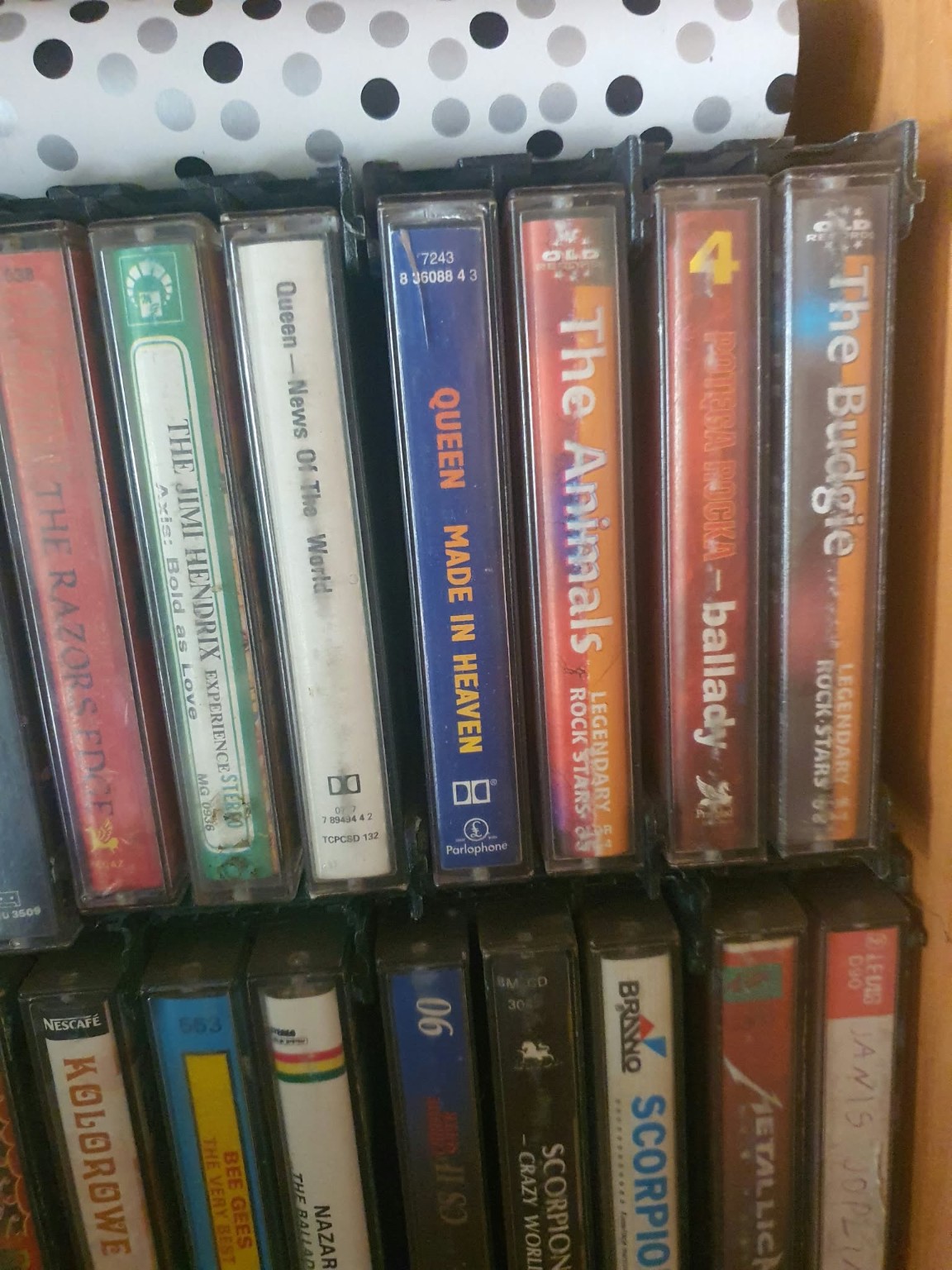
There were plenty of audio cassettes at home too: AC/DC, Led Zeppelin, Metallica, Slade. I learned the band names later.
I played those two VHS tapes a lot. There was no day when I decided that from now on I’d listen to rock. I just liked it more and more.
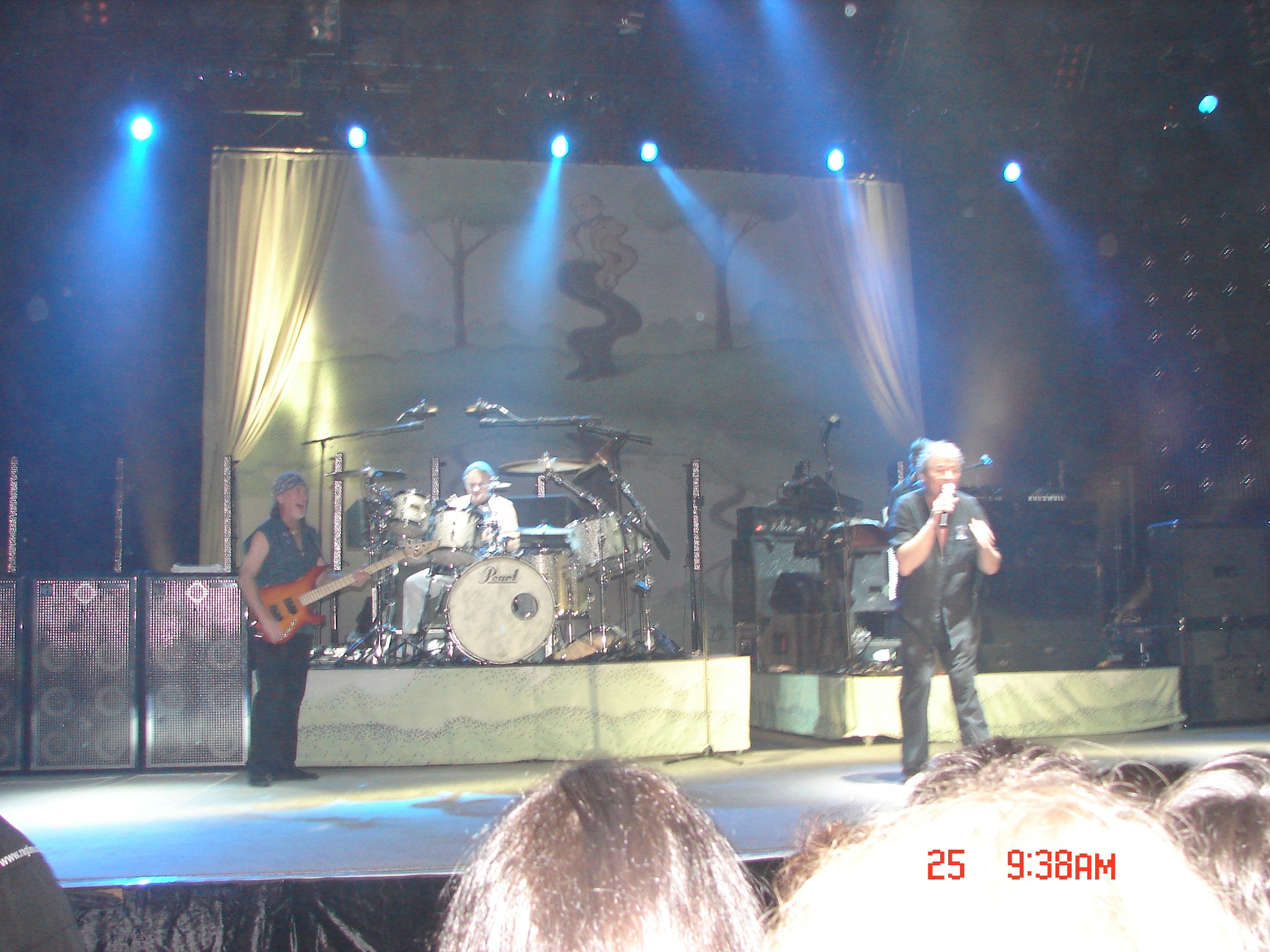
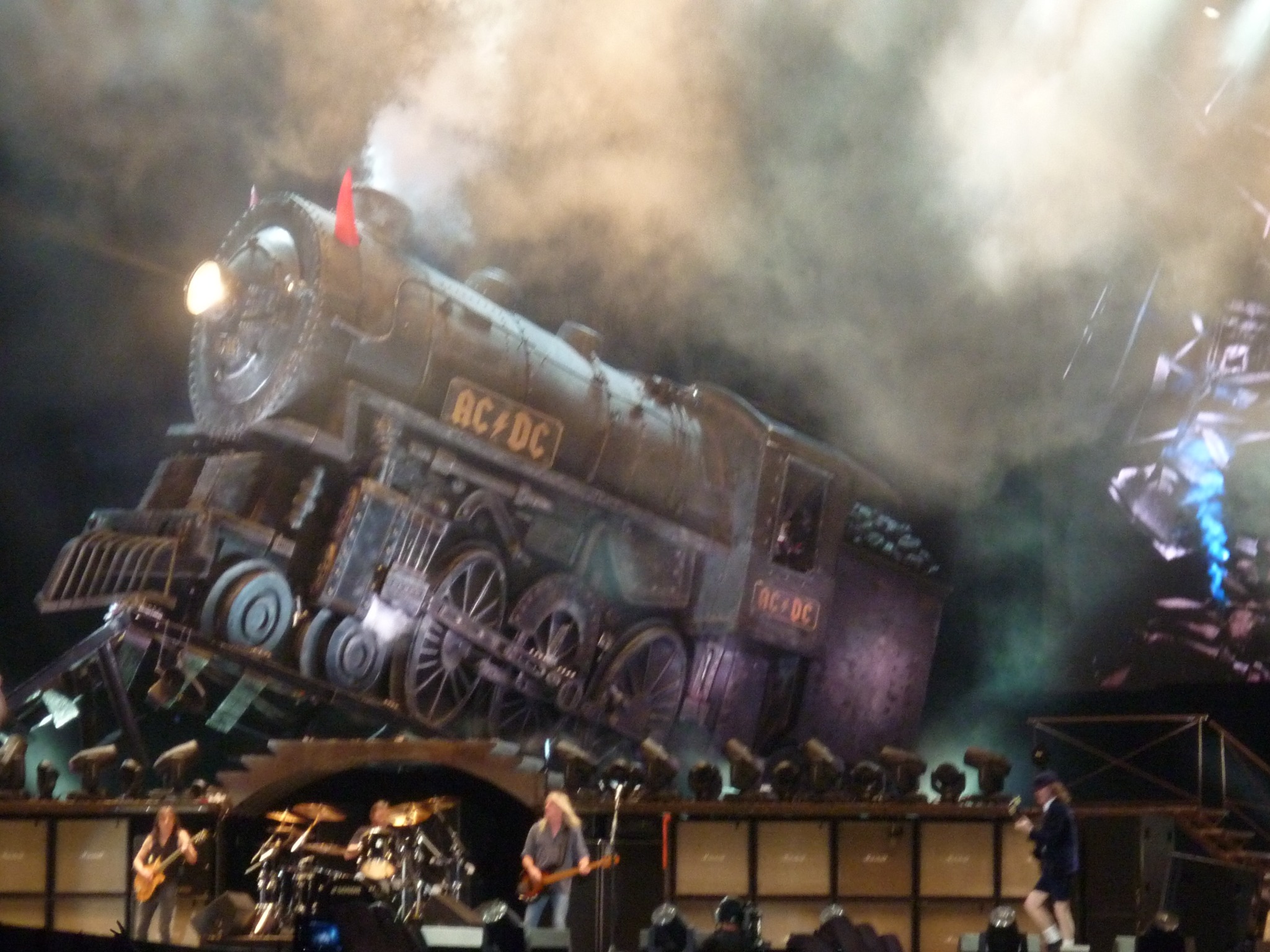
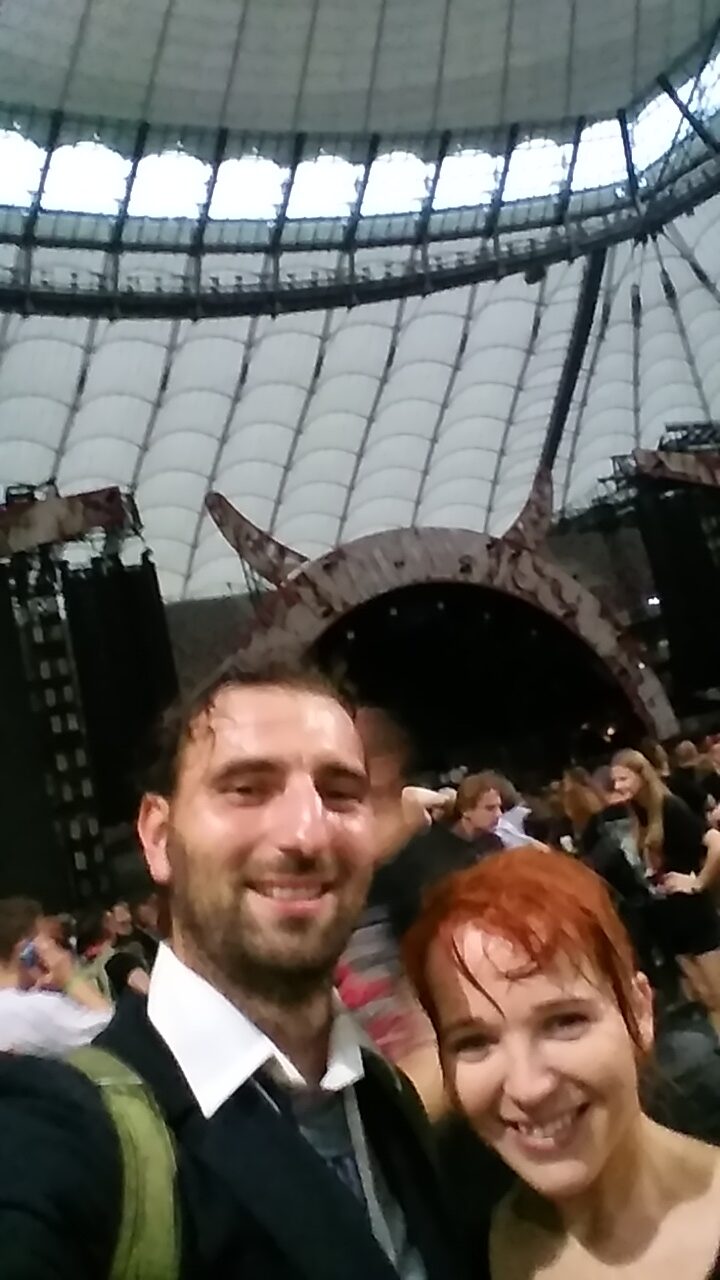
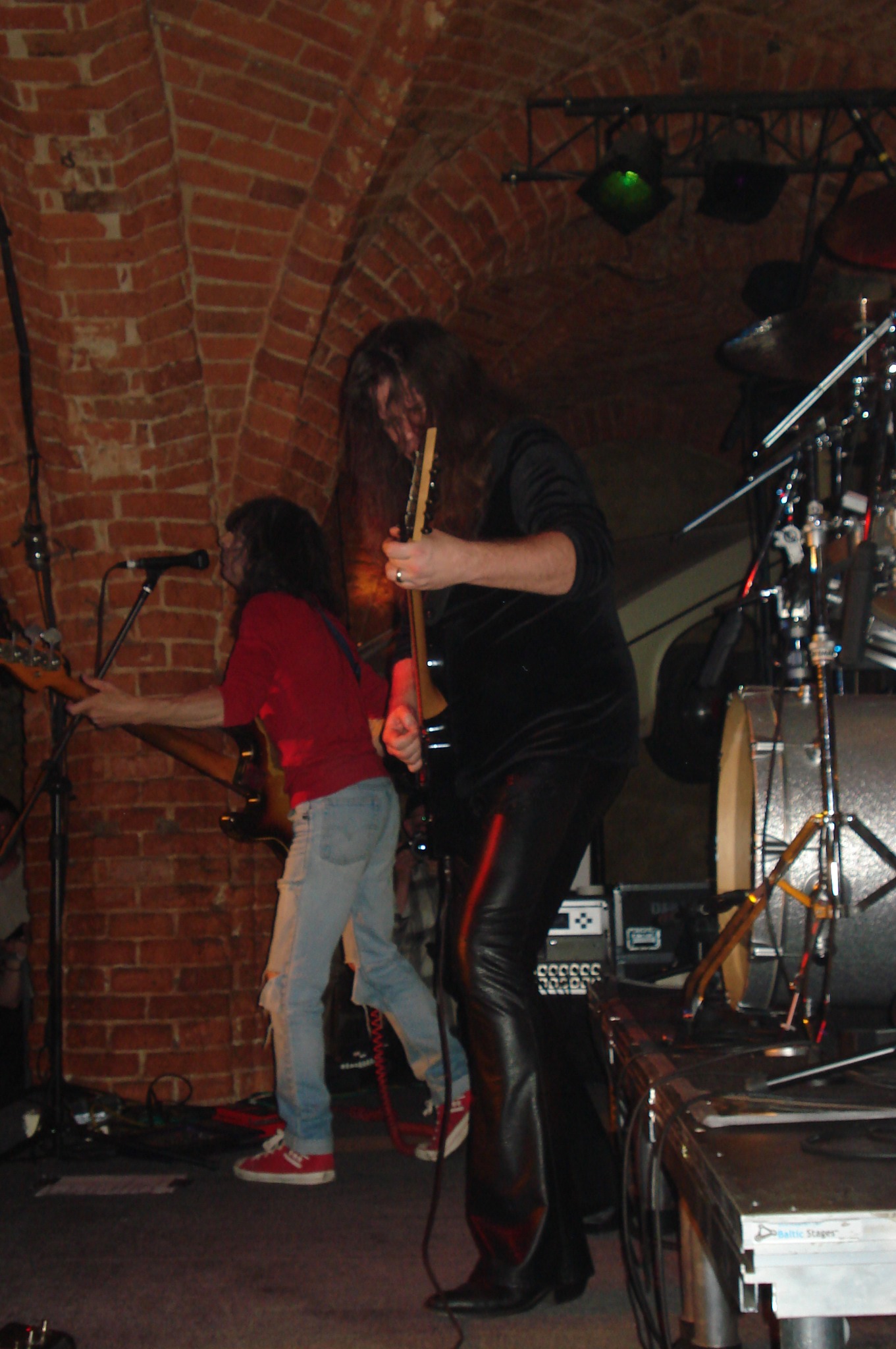
Concerts came along in time. I went to see Budka Suflera in Kamień near Rybnik with my mum. Then Deep Purple at Spodek in December 2003—my first big concert, and I went alone. I saw AC/DC twice: in May 2010 at Bemowo and in July 2015 at the National Stadium, with Ela.
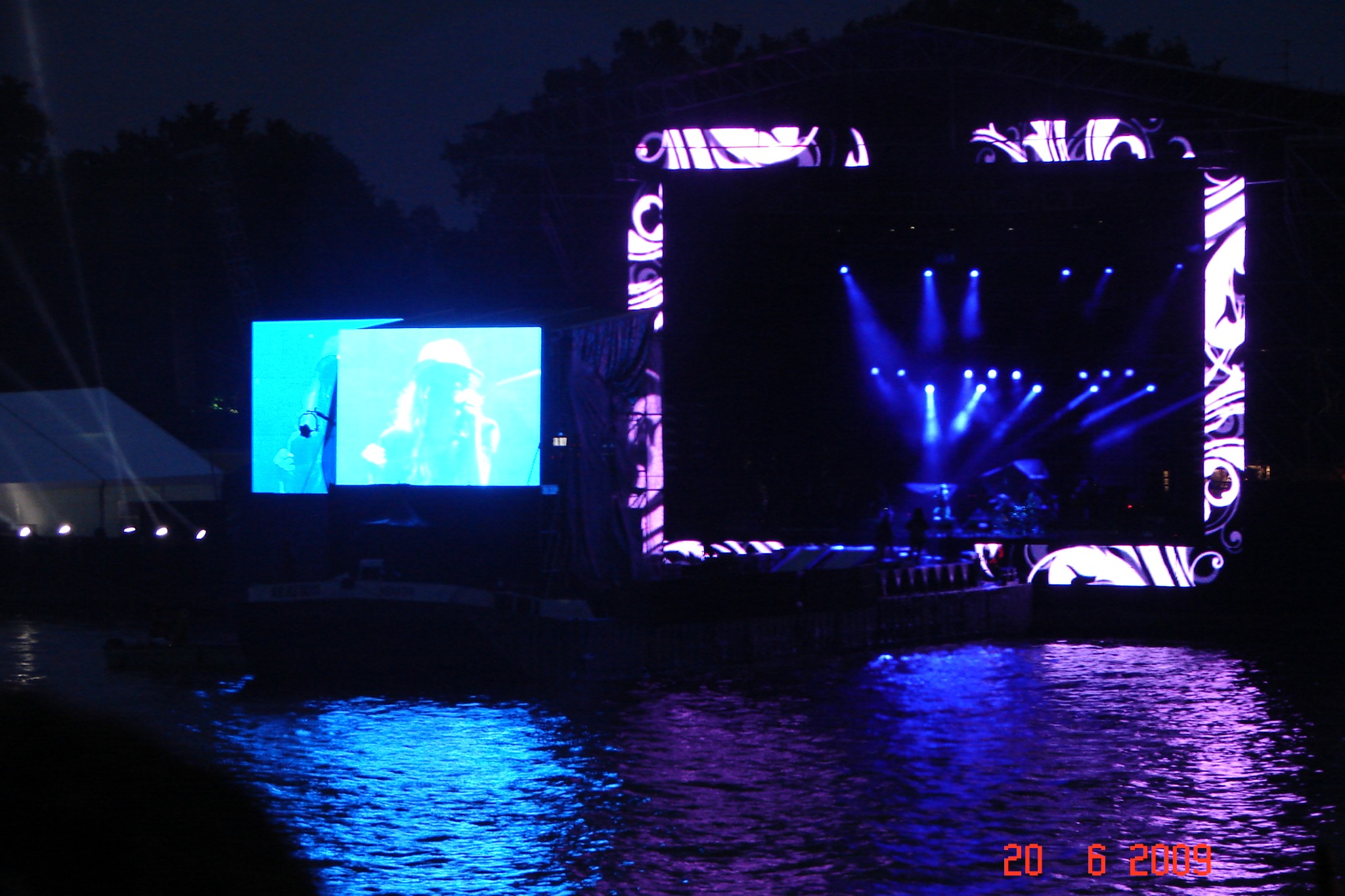
To me, AC/DC is the best band still playing, second only to Queen. Those shows, along with my first Deep Purple concert, are among the most important I’ve been to. There was also Kravitz on a floating stage beneath Wawel, Budgie in a club in Wrocław and many others. I have photos from those shows. Some aren’t great quality, but they’re my keepsakes.
These days I mostly listen to rock on the radio, on the way to and from work. At home, with a small child, you have to keep quiet—and rock played quietly makes no sense.
More than thirty years have passed since those VHS tapes. I don’t look for some grand philosophy in it. I just like rock.
And it stayed with me. 🤘